Get Full Government Meeting Transcripts, Videos, & Alerts Forever!
Get email alerts on the Incentive Plan topic
No spam. Unsubscribe anytime.
Pensacola advisory committee approves 2025 affordable housing incentive plan
Summary
The Affordable Housing Advisory Committee voted to approve the City of Pensacola 2025 Affordable Housing Incentive Plan and will forward it to City Council for consideration; committee members also discussed county-owned parcels and public requests for a citywide housing 'dashboard'.
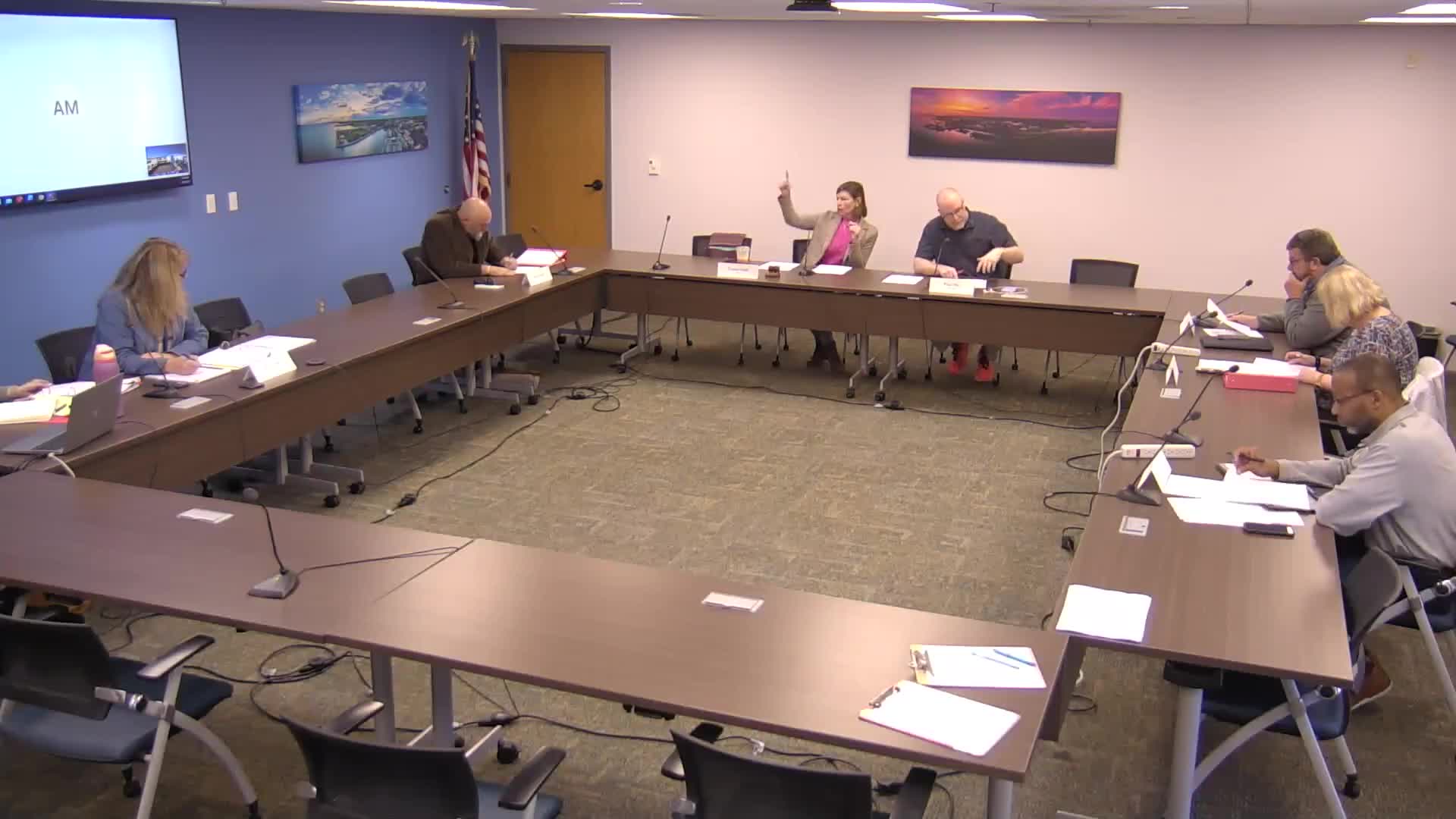
The Pensacola Affordable Housing Advisory Committee voted to approve the City of Pensacola 2025 Affordable Housing Incentive Plan after a brief public hearing and discussion.
Paul Ritz moved to approve the plan, and the committee gave unanimous assent on a voice vote, with the chair announcing the motion carried. The committee’s approval begins the local process that will send the plan to the Pensacola City Council for consideration at an upcoming December meeting (staff noted December 11 as a possible council date).
The incentive plan guides how the city will apply state SHIP (State Housing Initiatives Partnership) funds and local incentives tied to development standards, such as reduced setbacks or modified parking requirements, to encourage affordable-housing projects. Crystal Scott, who opened the hearing, said the group is statutorily required to prepare the annual incentive plan and to advise on the LHAP (Local Housing Assistance Plan) every three years.
During public comment, residents asked for more transparency about how affordable-housing dollars and projects are tracked. Leslie Yandle, a Pensacola resident and housing advocate, urged the committee to develop a regular scorecard or dashboard—yearly or semiannual—that shows which projects, funding streams and agencies are producing housing outcomes across the city and county. “One of the things the mayor talks about … is what’s the data say of how we’re doing or not doing and what could we do better,” Yandle said.
Committee members and staff agreed the recommendation had merit. Staff said past joint city–county reporting existed and that staff would explore options to provide clearer, consolidated reporting for the community.
The advisory committee’s vote on the incentive plan was taken by voice and no roll-call tally was recorded in the meeting transcript. The committee closed the public hearing, adopted the plan, approved prior minutes with a spelling correction to a public commenter’s name, and adjourned. The plan will move forward to the City Council as the next procedural step.