Get Full Government Meeting Transcripts, Videos, & Alerts Forever!
Get email alerts on the Open Meetings topic
No spam. Unsubscribe anytime.
Orinda Council Weighs SB 707 Options: 'Wait and See' on Allowing Fully Remote Advisory‑Body Meetings
Summary
City staff explained SB 707 Brown Act changes and three implementation options; councilmembers favored preparing basic technology for the council and delaying broad rollout for advisory bodies pending cost and workflow analysis.
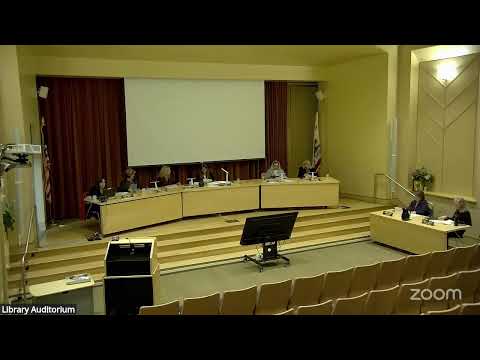
City staff briefed the Orinda City Council on SB 707 on Tuesday, outlining changes to the Brown Act that require two‑way remote participation technology for the city council by July and create optional paths for members and some advisory bodies to participate remotely under specified conditions.
The staff presentation identified two categories of changes that require no policy choices and three optional approaches that do: emergency remote meetings for declared emergencies, a "just cause" teleconferencing option allowing members to join remotely for short, specified reasons (childcare, contagious illness, travel for official business, etc.), and an "eligible subsidiary body" option that—if the council makes findings and provides technology—could permit some advisory bodies to meet entirely or largely remotely with a single physical location for public access.
Council members voiced broad support for providing the basic technology required by July for public interactive access, while expressing reservations about authorizing fully remote operation for advisory bodies. Several councilmembers noted concerns about community engagement, volunteer effectiveness, staff workload and additional costs if the city were to outfit multiple meeting rooms and provide continuous tech support. One member suggested asking the affected advisory bodies whether they want the option; others preferred a "wait and see" approach and asked staff to report back with cost estimates and implementation plans.
Staff said staff would return with a policy on technological disruptions and suggested the council could authorize "just cause" teleconferencing for the council (which staff said would have minimal marginal cost because the city must implement Zoom‑style public interaction by July). Technical improvements to audio, lighting and livestream presentation were discussed as worthwhile improvements regardless of the policy choices. Council members asked for more information on costs and operational impacts before making adoptions affecting multiple advisory commissions.
Council consensus at the meeting favored moving ahead with required public interactive access by the statutory deadline and directing staff to study optional expansions (costs, which advisory groups might benefit most, and staff resources) before authorizing additional remote options for subsidiary bodies.