Get Full Government Meeting Transcripts, Videos, & Alerts Forever!
Get email alerts on the Design Guidelines topic
No spam. Unsubscribe anytime.
Carmel-by-the-Sea planning commission reviews streamlined Design Traditions 1.5 draft and debates adding wildfire 'Protect' principle
Summary
The Planning Commission reviewed a streamlined draft of the city's Design Traditions 1.5 guidelines and received public input emphasizing wildfire resilience, defensible space and materials. Staff will bring Commission feedback to City Council on December 2; no formal action was taken.
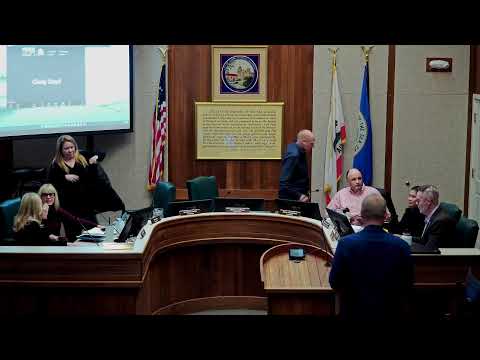
The Carmel-by-the-Sea Planning Commission on Tuesday reviewed a revised, shorter draft of the city’s Design Traditions 1.5 guidelines and heard widespread calls to add explicit wildfire-resilience measures.
Chair LePage, speaking to the commission as the body’s representative on the wildfire committee, said the draft “emphasize[s] heritage, and modesty and forest preservation,” but “the guidelines are missing, explicit wildfire resilient measures.” He urged adding a seventh core principle, called “Protect,” to codify defensible-space zones, require vegetation compliance in permitting and tie aesthetic guidance to vegetation and ember-resistance standards.
Staff told the commission the revision is intended as an incremental update — a "1.5" rather than a full rewrite — and that Winter & Company and a steering committee produced competing drafts after extensive public outreach. The packet before commissioners includes a residential draft and supporting appendices; staff said hyperlinks, images and an index were planned to make the document more usable for applicants and reviewers.
Public commenters and commissioners focused on several recurring points:
- Wildfire resilience versus historic materials: Several residents and commissioners warned that the draft still encourages wood elements that conflict with CAL FIRE and Wildland-Urban Interface (WUI) guidance in places where combustible materials raise risk. One resident said she worried the town could be “lost” if preservation and state fire requirements cannot be reconciled. Speakers recommended exploring modern treated woods and approved natural products that keep a historic appearance while meeting fire-rating standards.
- Scope (new construction vs. remodels): Architect Anatoly of Stridsoff asked whether proposed material or vegetation standards would apply only to new construction, noting that the building code currently applies many prescriptive measures to new construction and not to remodels. That distinction drew questions about how far the guidelines can reach without changes to municipal code or building and fire code.
- Usability and organization: Commissioners and steering-committee participants debated whether the commission should rely on the February 2023 consultant draft or the steering committee’s streamlined version. Many praised the principle-based organization as a way to explain the "why" behind design decisions, but several said the packet presented was incomplete — missing images, hyperlinks and cross-references — making it hard to assess functional usability for permit review. One commissioner urged returning the project to staff with the strategy paper and the consultant version as references; others supported keeping the steering committee’s modular appendices so they can be updated independently.
- Site coverage, ADUs and process: Speakers raised practical issues including restrictive site-coverage rules that can force removal of otherwise serviceable materials, the need for clearer ADU (accessory dwelling unit) guidance, and the possibility of placing frequently changing lists (preferred plantings, materials lists) outside the Local Coastal Program appendices so they can be updated more easily.
Staff described next steps: incorporate the commission’s feedback, bring the revised material to City Council (the packet referenced a December 2 council presentation), finish drafting and then follow the adoption track that includes Planning Commission, City Council and the California Coastal Commission for Local Coastal Program changes. There was no formal motion or vote at the workshop.
The meeting featured broad agreement on two practical points: that the guidelines should be both readable and actionable (with images, cross-references and a short design narrative for applicants), and that the document must better reconcile aesthetics with prescriptive fire- and building-code outcomes. Commissioners and community members asked staff and the steering committee to return with a more complete draft (images, index, hyperlinks) and clearer language about the interplay between the guidelines, municipal code and building/fire code.
The commission recessed briefly to address a Zoom audio outage and reconvened to continue public comment and discussion. The Planning Commission will forward today’s feedback to the City Council for its December review; the packet and staff comments indicated a subsequent period of drafting and code updates before final adoption.