Get Full Government Meeting Transcripts, Videos, & Alerts Forever!
Get email alerts on the Moratorium Economic Study topic
No spam. Unsubscribe anytime.
Committee debates scope of economic study tied to performance‑hall moratorium
Summary
Members discussed whether to commission an external economic‑impact study focused on downtown benefits or a targeted analysis of effects on small independent venues; staff said applicant studies exist but a consultant would likely be needed for a detailed, independent model.
The committee opened a multi‑part discussion of the existing performance‑hall moratorium and whether the council should commission an economic assessment that specifically examines impacts on independent venues and the local creative economy.
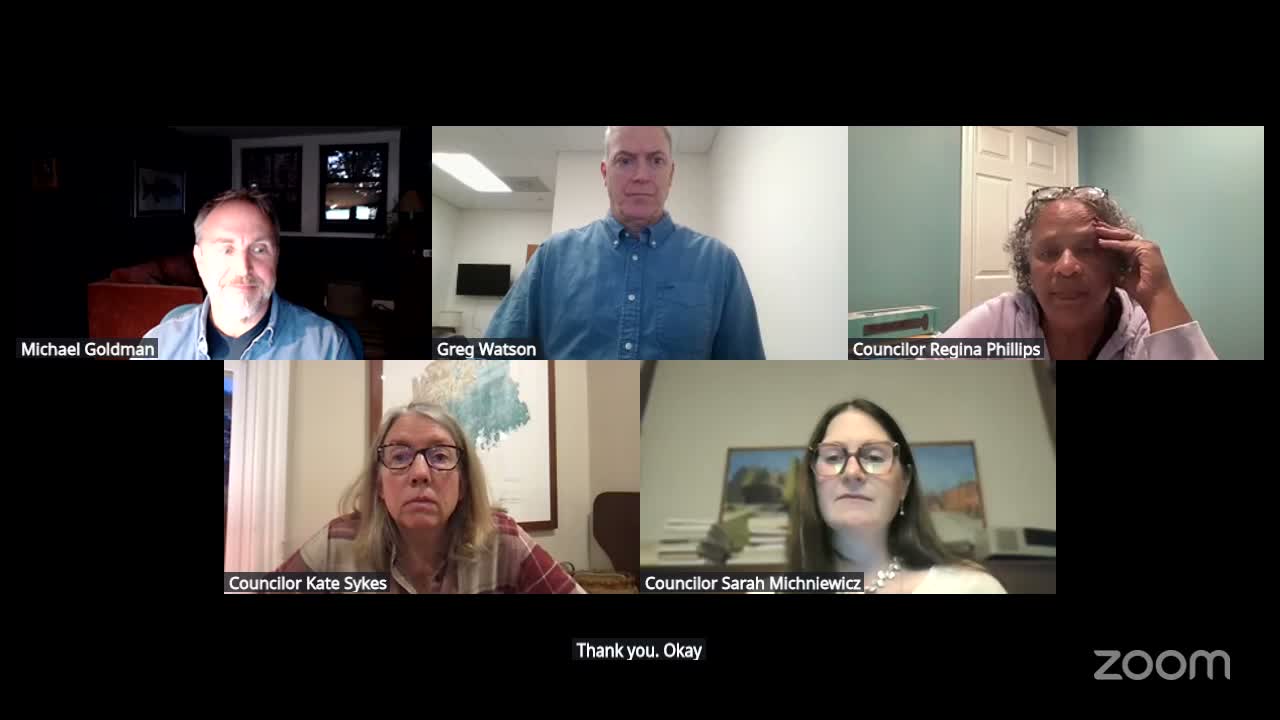
"A venue like this is going to have a very positive impact on the local economy," said Greg Watson, director of Housing & Economic Development, while acknowledging staff capacity to run full modeling in‑house is limited and that applicant‑prepared studies already exist.
Councilors described two distinct needs: conventional economic modeling of jobs, hotel bookings and downtown spending, and a separate analysis of potential negative effects on smaller venues and the music ecosystem. Councilor Sarah McNovich and others said those are not the same methodological questions and recommended clarifying what the committee hopes to learn before investing in a consultant study.
Several councilors suggested lower‑cost alternatives such as a staff memo, SWOT analysis, or a panel of outside experts as interim steps. Staff and counsel reminded the committee the moratorium is a 180‑day order that may be extended only if reasonable progress is made to address the problems that prompted it; any extension will require demonstrable steps.
A motion by Councilor Kate Sykes asking staff to prepare a memo using existing materials was introduced but had no second and was withdrawn. Committee members asked staff to return with options that clarify scope, cost and whether the work would be a city‑led study, an independent consultant model, or a narrower review targeted at impacts on small venues.
What’s next: staff will compile options (memo, consultant scope and budget estimates, or a lower‑cost panel), and the committee asked for clearer scoping so it can decide whether to proceed with external contracting.