Board approves broad permitting reforms aimed at faster, clearer approvals for farmers and businesses
Loading...
Summary
Supervisors Lavere and Gurel won unanimous approval for a multi‑point package to modernize zoning and permitting: it moves some discretionary approvals to ministerial review, creates preapproved plans, expands a permit navigator role and streamlines CEQA consultant access.
The Ventura County Board of Supervisors unanimously approved a broad set of permitting reforms on Tuesday aimed at reducing delay and uncertainty for property owners, farmers and businesses.
Supervisors Matt Lavere and Jeff Gurel introduced a multi‑part package developed with Resource Management Agency (RMA) staff. The recommendations include converting some discretionary permits to ministerial review where law allows, creating template plan sets and temporary‑use permits, prequalifying CEQA consultants to shorten procurement lag, expanding a permit‑navigator office to provide single‑point coordination, and speeding staff‑level time‑extensions and minor modifications.
The package was developed over months with RMA staff input and with multiple stakeholder meetings. Supporters included agriculture representatives, local chambers and builders; multiple commenters described lengthy permitting timelines and gave examples where over‑enforcement or inconsistent expectations stalled projects. "This proposal is exactly what taxpayers and property owners have been asking for," Ryan Grau of the Ventura County Taxpayers Association told the board.
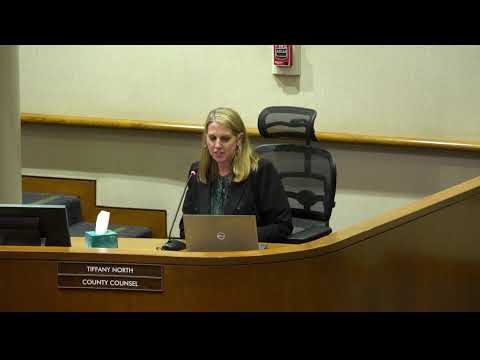
The board directed staff to begin implementation steps, to return with a work plan and proposed ordinance language and to include public outreach. County counsel and RMA will refine legal language and identify items that require public hearings or code amendments. Supervisors asked staff to identify which elements can be implemented immediately without legislative change, and to return in March with a progress report and timeline.
What this does not do: the action approved a work program and implementation direction; it did not itself change zoning code text at second reading. Legal review and any required hearings will follow for items that need formal ordinance changes.
Why it matters: proponents say the package will lower project costs and speed housing, farm and business projects; opponents cautious about environmental review insisted that streamlining must comply with state CEQA and public‑notice requirements.
Next steps: RMA will bring ordinance text, implementation priorities, and a public outreach plan back to the board in March 2026; staff will also identify a schedule for ministerial conversions and a pilot for preapproved plan sets for common projects.