Get Full Government Meeting Transcripts, Videos, & Alerts Forever!
Get email alerts on the Cannabis Modernization topic
No spam. Unsubscribe anytime.
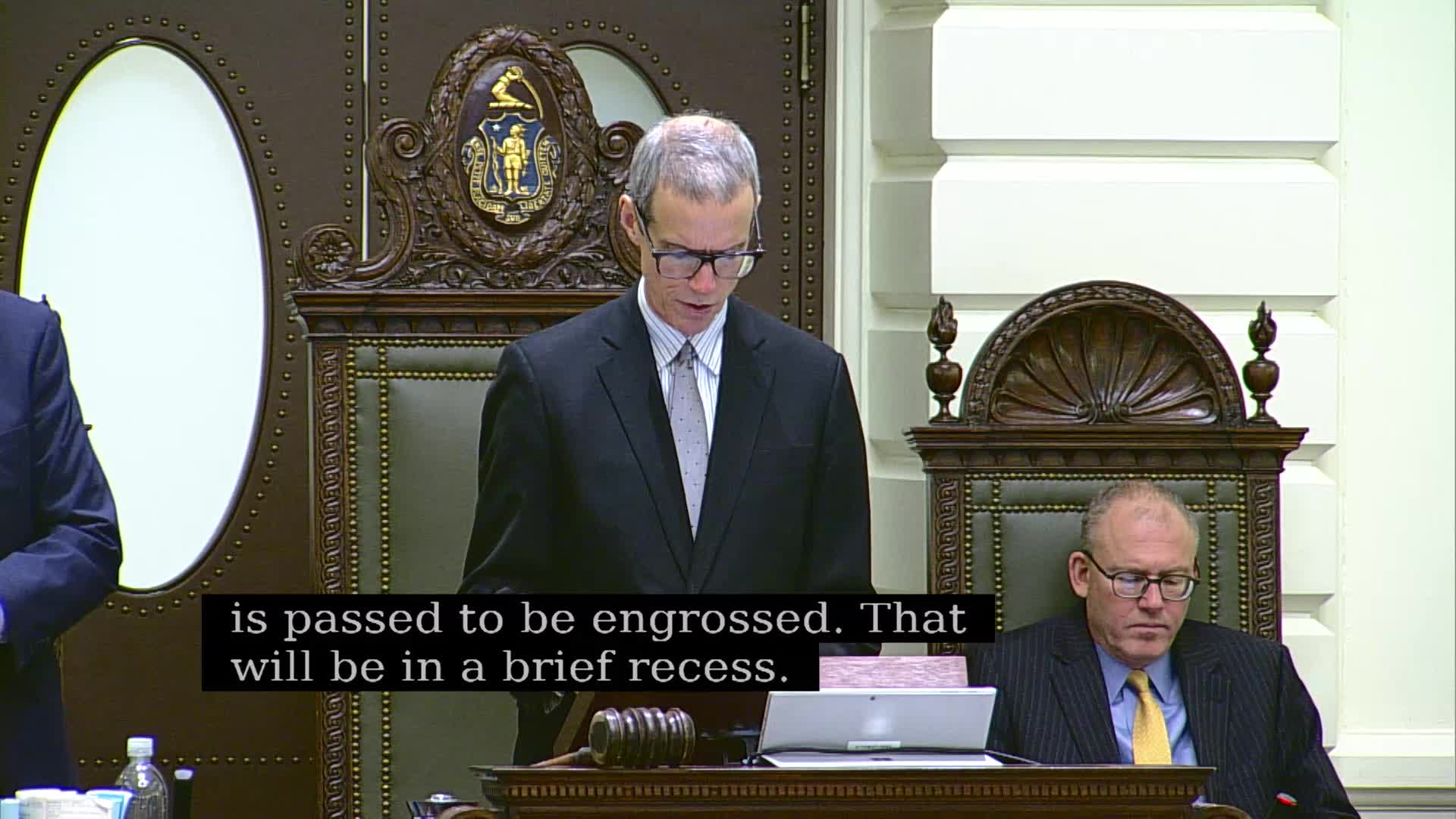
Senate weighs broad overhaul of Massachusetts cannabis rules; adopts market study, rejects key potency and license reforms
Summary
The Massachusetts Senate spent hours debating S.27-22, a package to reorganize the Cannabis Control Commission, change licensing rules, and alter possession limits. Lawmakers adopted a supply-and-demand study but rejected several amendments, including THC potency caps and a proposal to raise or lower possession thresholds.
The Massachusetts State Senate on third consideration took up S.27-22, a sweeping bill to modernize the Commonwealth's cannabis laws, hearing hours of debate and voting on more than a dozen amendments.
Sponsor Senator Adam Gomez said the bill aims to “meet this moment,” reorganizing the Cannabis Control Commission into a three-member board with an executive director and adjusting licensing and possession rules to reflect market realities. “S 27 22 is about meeting this moment,” Gomez said, describing changes that would allow retailers to hold up to four licenses and raise certain equity thresholds while easing vertical-integration requirements for medical operators.
Supporters framed the bill as an effort to create a more efficient, accountable regulator and to protect consumers and equity applicants. Gomez said the legislation also “directs the commission to study the mental health impacts of cannabis use,” a measure intended to ground future policy in data.
Opponents pressed sharply on public-health and equity grounds. Senator John Keenan argued that earlier voter guidance envisioned much lower per-serving potency and urged closer protections for youth; Keenan proposed retaining current possession thresholds for young people and limiting commissioners’ tenure. “We need to protect our youth,” Keenan said, urging retention of mandatory awareness programming tied to existing statutes.
Senator Patrick O’Connor proposed an amendment to restore a 5% per-serving THC limit from the ballot question and to cap flower potency at 10%; O'Connor called the change a correction to “one of the more glaring loopholes” that allows high-potency concentrates and vapors to exceed that limit. That amendment and several others that would have imposed potency limits or other product restrictions failed to pass.
Senator Bruce Tarr, sponsoring an amendment to increase the cap on licenses a single entity may hold to six, argued the change would preserve industry stability by allowing operations to consolidate licenses when original holders relinquish them. Senator Gomez and others opposed such expansions as harmful to social-equity aims. A roll-call on the license-cap amendment resulted in a wide rejection; the amendment failed 2–35.
One amendment that passed would require the Cannabis Control Commission to conduct a supply-and-demand study. Senator Jacob R. Payano successfully offered Amendment No. 19, which asks the commission to analyze current supply, project future consumption, and recommend annual licensing levels tied to demand forecasts. Payano cited a CCC report showing the wholesale price of an ounce declined from $401.50 in 2018 to $153.73 in 2024, a 62% fall, and said the study is needed to stabilize small operators.
Several other amendments were held, withdrawn, or not adopted after voice votes. Senators exchanged multiple rounds of questioning about how statutory sections (identified in debate as section 32L and 32M) would interact with the bill’s changes to possession thresholds and diversion programs for under-18 and 18–21-year-old individuals; confusion about those interactions led the chair to lay certain amendments aside pending clarification.
The debate repeatedly returned to two tensions: ensuring regulatory oversight and commission functionality, and protecting young people and public health from high-potency products. Supporters emphasized modernization, equity prioritization, and administrative efficiency; critics emphasized youth protection, the risk of psychosis tied to high-potency products, and concern that higher possession thresholds could reduce mandatory diversion interventions.
What passed: among the dozen-plus changes discussed, the Senate adopted the supply-and-demand study amendment and rejected or held multiple amendments addressing potency limits, license caps, and revenue distribution. Several amendments were withdrawn or placed on hold for later consideration. The chamber paused the contested possession-limit amendment (member number 21) to confirm how the bill would change current civil-penalty and diversion triggers.
Next steps: The bill remained under amendment consideration when the Senate moved to other business later in the day (including a retirement resolution). The sponsors and critics signaled continued negotiation; several senators said they expect to revisit product design, child-resistant packaging, and data collection in subsequent sessions.
Article notes: Quotations and vote outcomes in this article are taken directly from Senate remarks and roll-call announcements recorded during consideration of S.27-22.