
Survivors and clinicians press legislature to ban aversive therapies; opponents warn licensing is insufficient
Summary
Hundreds of pages of testimony and multiple survivors described painful electric shocks and other aversive practices at the Judge Rotenberg Center, urging passage of H245 to ban aversives; opponents warned licensure proposals (H240) would merely formalize harmful practices.
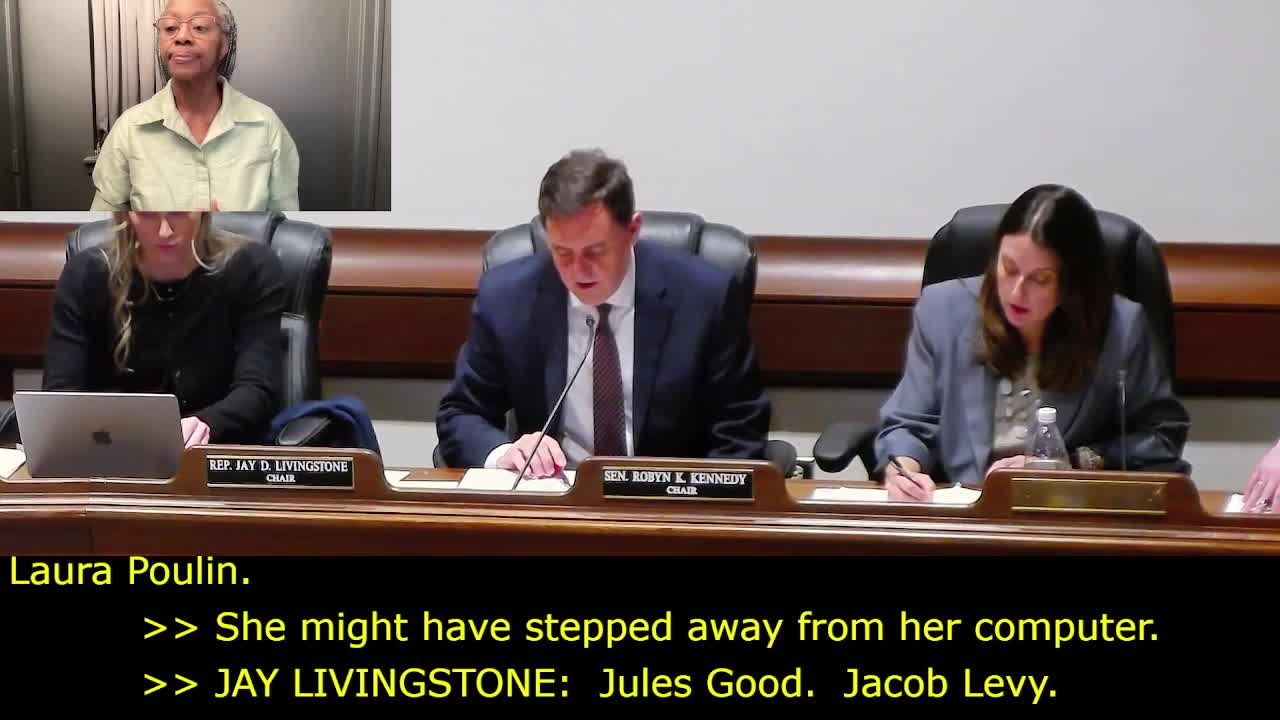
An extended panel of survivors, clinicians, disability‑rights advocates and family members told the committee that painful aversive procedures — including electric skin shocks used at the Judge Rotenberg Center — constitute abuse and should be prohibited by statute.
Survivors gave detailed first‑hand accounts. Jen Masumba, who testified she spent seven years at the Judge Rotenberg Center, described repeated shocks and other punitive measures and said the impact was long lasting: "I was shocked every single day," she said. Other witnesses recounted burns, trauma, and long-term psychological harm.
Clinicians and researchers testified that evidence supports positive behavioral interventions over pain‑based methods. Dr. Melissa Derochez, a developmental‑disabilities nurse and researcher, said recent systematic reviews show psychosocial interventions are effective and that licensing or regulation of shocks does not remedy the central ethical problem.
Supporters of H245 asked the committee to ban aversive procedures, including electrical shocks, withholding food, sleep deprivation, and physical abuse; they cited the United Nations, FDA expert reviews, and peer‑reviewed research. Opponents of a licensing approach (H240) said licensure would legitimize harmful practices rather than eliminate them.
The committee heard testimony but did not take votes. Multiple survivors said they would provide additional written statements and evidence; legislators asked technical questions about enforcement and the scope of proposed bans.
Create a free account
Unlock AI insights & topic search