Direct-care workers press lawmakers for a $25 enhanced minimum wage
Summary
Dozens of direct-care workers, union representatives and advocates told the joint committee H2191 is needed to reduce vacancy rates, retain staff and ensure quality care by establishing a $25 minimum wage for private direct-care workers and indexing it to inflation.
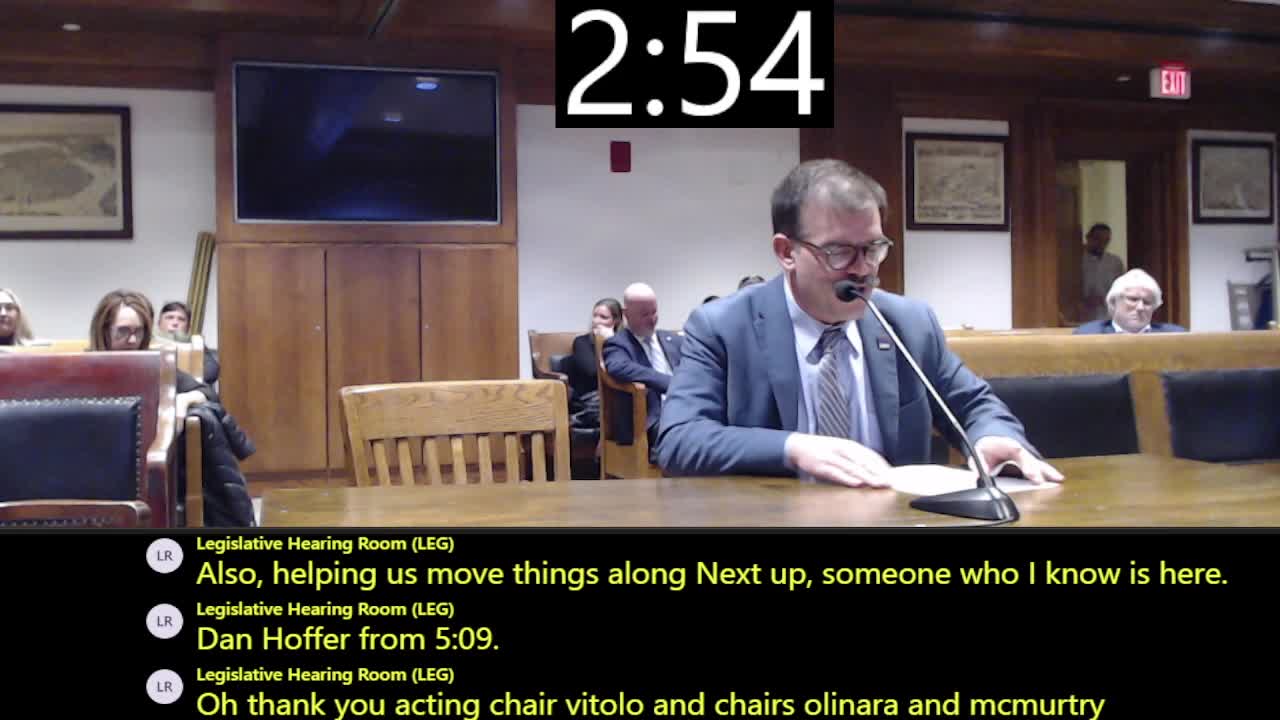
Direct-care workers and union representatives urged the Joint Committee on Labor and Workforce Development on Nov. 17 to support H2191, legislation to establish a $25 enhanced minimum wage for private-sector direct-care workers.
"Nearly 6,000 of our members in the private sector would be affected by H2191," Dan Hoffer, legislative and political director for SEIU Local 509, told the committee, arguing that better wages reduced vacancy rates and improved retention. Zach Carmosino, a housing-first coordinator at Elliott Community Human Services, described the emotional and physical intensity of the work and said "$25 an hour would not fix all of these issues, but it would go a long way" to keep skilled staff in the field.
Multiple witnesses described vacancy rates approaching 20% for some services and linked better pay to improved staffing and client outcomes. David Higgins, a case manager at UMass Community Healthlink, said he sometimes works 50 to 60 hours a week to make ends meet and called the bill a meaningful step; Shannon Wizman of Crisis Services Organization detailed required training and credentials for overnight counselors and urged lawmakers to consider the work's complexity.
Supporters also included education and advocacy organizations and representatives who said indexing to inflation and covering municipal workers or currently excluded groups should be considered. No formal committee action on H2191 was taken at this hearing; the chairs accepted written testimony through Nov. 20.
The committee adjourned without voting on the measure; further committee consideration was left for subsequent meetings.