Get Full Government Meeting Transcripts, Videos, & Alerts Forever!
Get email alerts on the Ranked Choice Voting topic
No spam. Unsubscribe anytime.
Lawmakers hear broad support for local option to let Massachusetts towns use ranked‑choice voting
Summary
Municipal leaders, election officials and voting advocates told a joint committee that a local‑option bill (S531) plus existing home‑rule petitions would expand ranked‑choice voting (RCV) across Massachusetts, citing higher turnout, lower costs by eliminating preliminary elections, and manageable technical implementation.
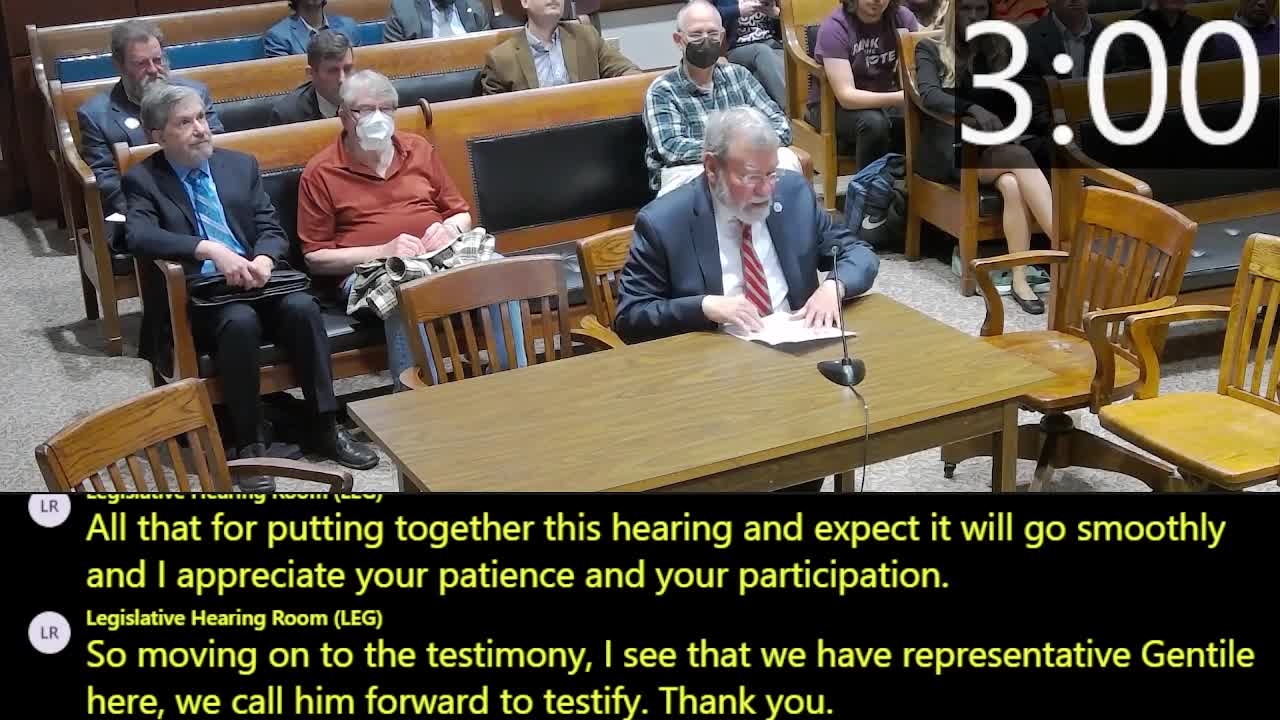
A joint House‑Senate committee on election laws heard hours of testimony Tuesday from municipal officials, election administrators and civic groups urging lawmakers to approve a local‑option bill, S531, that would let cities and towns adopt ranked‑choice voting without a separate home‑rule petition.
Supporters told the committee S531 would remove procedural barriers that have prevented municipalities from implementing RCV after local votes and charter changes. "These are local elections," Senator Rebecca Rausch said. "We are standing in the way of towns and cities implementing the will of their voters." The senator told the committee S531 is an opt‑in, local choice with no effect on state or federal contests.
Advocates including the American Federation of Teachers Massachusetts, MassVote, Voter Choice Massachusetts and local elected officials said RCV has produced higher turnout and more civil campaigning where it has been used. East Hampton officials said their recent mayoral contest ran with RCV and turnout was "almost 50%," higher than the city's usual municipal turnout. Eric Shoemaker, executive director of Voter Choice Massachusetts, told the committee the system also reduces the need for low‑turnout preliminary elections and can save municipal dollars.
Election experts who have administered RCV said it requires no special voting equipment in many cases and can be integrated with existing tabulation and auditing procedures. "We use the same systems, the same software, the same equipment," former Utah election administrator Josh Daniels said, describing that state's experience with a local‑option approach. East Hampton's initial startup costs were described in testimony as approximately $9,000 for software and equipment plus about $5,000 for outreach and education.
Municipal petitioners from Amherst, Arlington, Lexington, Concord, Northampton and others described local votes or charter language directing RCV adoption and urged the committee to let local governments implement those decisions without repeating multi‑year home‑rule processes. Proponents emphasized voter education plans and local control: "This bill doesn't mandate RCV," Emma Chinman of Partners in Democracy said. "It respects the ability of these cities and towns to govern their own elections."
No formal opponents appeared in the hearing record; committee members asked presenters about voter education plans, ballot design and whether a template implementation approach could be developed jointly by the state and municipalities.
The committee did not take a vote on S531. The next procedural step would be the committee’s report to the full legislature, which determines whether the measure advances to floor debate or a later session.
Sources: testimony to the Joint Committee on Election Laws including Senator Rebecca Rausch, Tom Peak (East Hampton councilor), Greg Dennis (Voter Choice Massachusetts), Josh Daniels (former Utah election administrator) and other municipal officials.