
Tenants, land trusts and developers urge Massachusetts to adopt TOPA to preserve naturally occurring affordable housing
Get AI-powered insights, summaries, and transcripts
Subscribe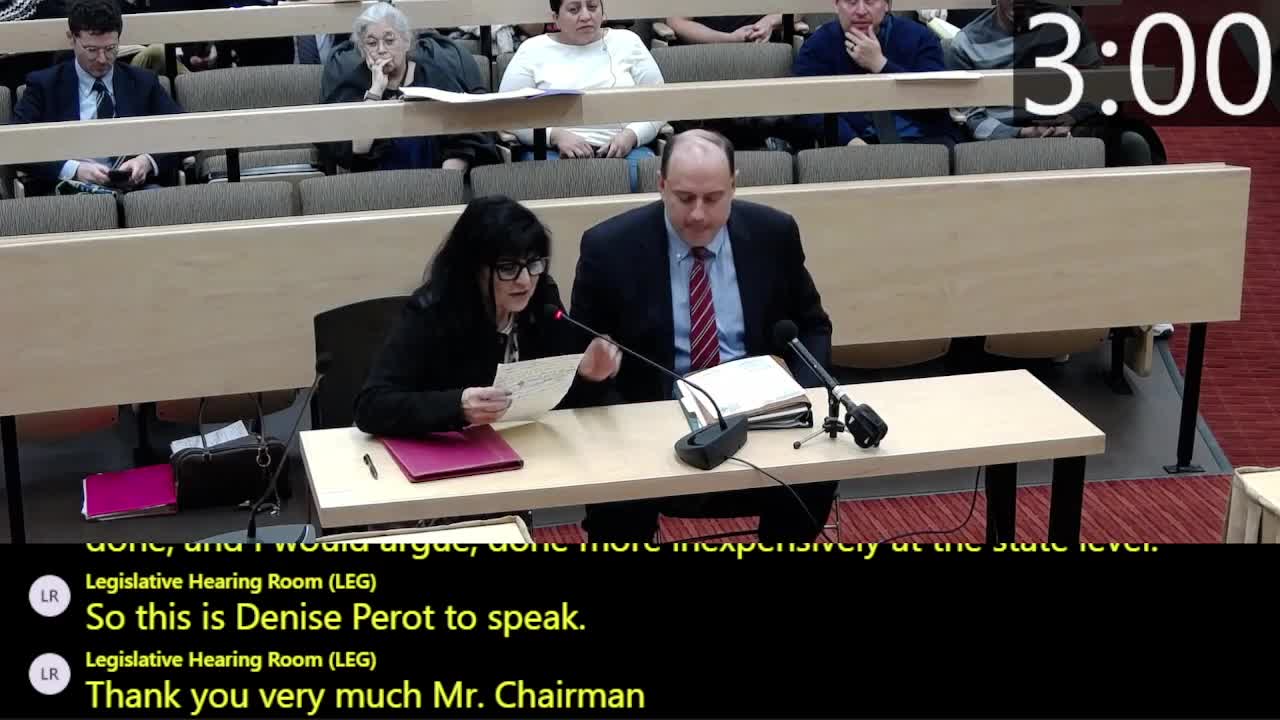
Summary
Witnesses told the Joint Committee on Housing that a Tenant Opportunity to Purchase Act (TOPA) or local right‑of‑first‑refusal would give tenants and nonprofits a realistic chance to buy properties being sold to speculators, citing DC and San Francisco precedents and local Somerville successes.
Tenants, community land trusts and affordability advocates testified at length in favor of the Tenant Opportunity to Purchase Act (TOPA) and related home‑rule petitions, saying the measure would give residents and mission‑driven buyers the chance to match third‑party offers and preserve naturally occurring affordable housing.
Tenant leaders from Devonscrest described a multiyear campaign to stop displacements after their complex was sold to an out‑of‑state corporate owner; they said TOPA would have simplified and reduced the cost of preserving the property. Nonprofit purchasers and cooperative development groups, including the Cooperative Development Institute and the Massachusetts Association of Housing Cooperatives, described how TOPA has enabled conversions to resident‑owned cooperatives and permanent affordability in other jurisdictions.
Researchers and regional planners cited data from Washington, D.C., San Francisco and local LISC reports showing thousands of units preserved under TOPA‑style laws. Speakers argued TOPA is a market‑based preservation tool—not a price control—and insisted it preserves sellers’ ability to realize market value while giving tenants and designated purchasers a short window and technical support to assemble financing.
Developers and preservation lenders described financing pathways and public subsidy leverage used in successful TOPA transactions; advocates said acting earlier in a sale process can save public funds versus paying higher prices after speculative bidding has pushed values up.
Opponents raised procedural and market concerns for small owners—financing uncertainty and potential delays in sales—but several witnesses said pilot programs and narrow targeting (ZIP‑code pilots) could mitigate impacts while testing the model statewide.
The committee received broad testimony that TOPA can be an effective preservation tool, and witnesses asked for a favorable report out of committee to allow further drafting and technical fixes.