Get Full Government Meeting Transcripts, Videos, & Alerts Forever!
Get email alerts on the Mental Health Policy topic
No spam. Unsubscribe anytime.
Assisted outpatient treatment and competency reforms split families, clinicians and advocates
Summary
Bills to create assisted outpatient treatment (S1115/H1801) and to reform competency-to-stand-trial processes drew intense, divided testimony: families and some clinicians argued AOT fills gaps for people with anosognosia, while peers, civil-rights and disability advocates warned forced outpatient orders risk coercion and racialized enforcement.
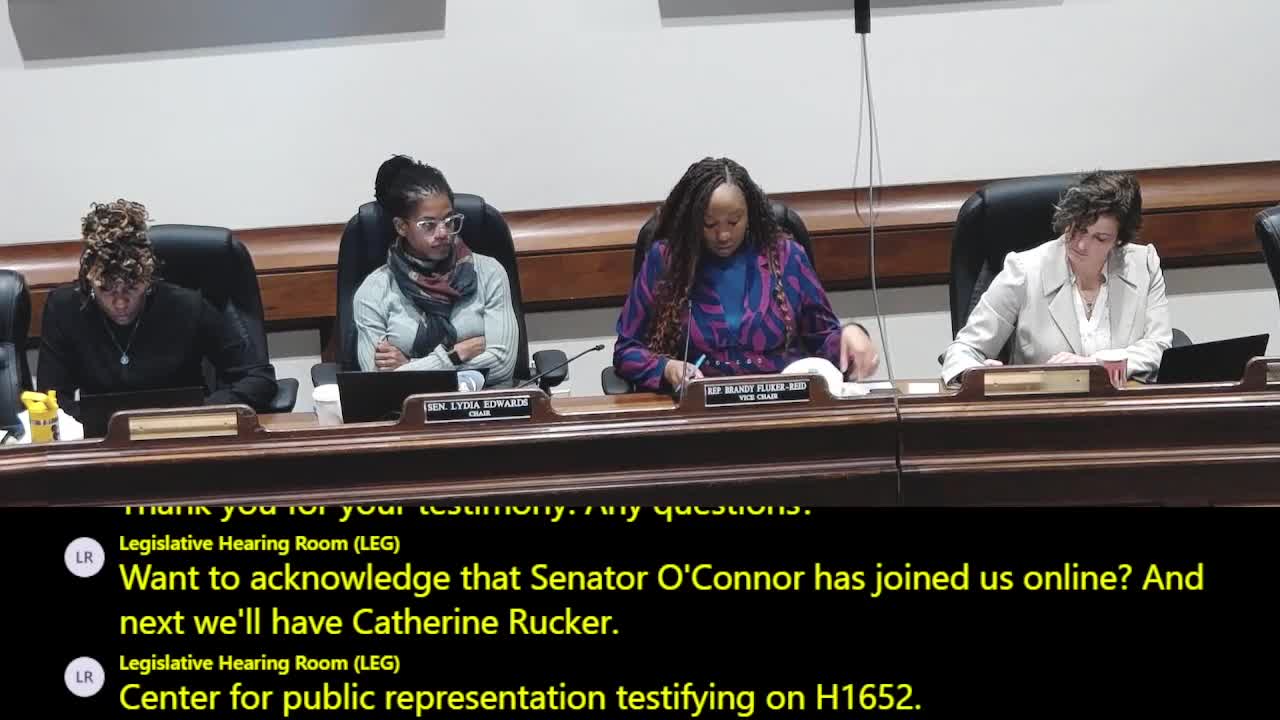
The committee heard sustained, contesting testimony on H1801/S1115 (assisted outpatient treatment, AOT) and H1652 (competency reform). Family members of people with severe mental illness offered moving accounts of repeated hospitalizations, anosognosia (lack of insight) and despair. "My son has been hospitalized roughly 50 times and will not accept treatment voluntarily," said Vanita Rampuriya, who urged the committee to consider AOT as continuity of care.
Clinicians and some psychiatrists described AOT programs in other states and reported reductions in hospital days and arrests in their programs. Supporters framed AOT as a less-restrictive alternative to repeated hospitalization and criminalization.
Opponents—including peer advocates, disability-rights lawyers, civil liberties groups and some clinicians—argued that involuntary outpatient commitment can traumatize people, erode trust, and disproportionately affect people of color. They urged investment in voluntary community services (peer respites, mobile outreach) and raised constitutional and due-process concerns.
Committee members asked for further written testimony and implementation analysis. The hearing produced no vote; legislative sponsors and critics were asked to submit additional operational details and data.