Childcare insurers exit markets and premiums spike, OHA and DELC warn
Loading...
Summary
State officials told lawmakers rising liability premiums and shrinking insurer participation are making coverage unaffordable or unavailable for many childcare providers; agencies plan surveys and cross-agency work to explore policy solutions.
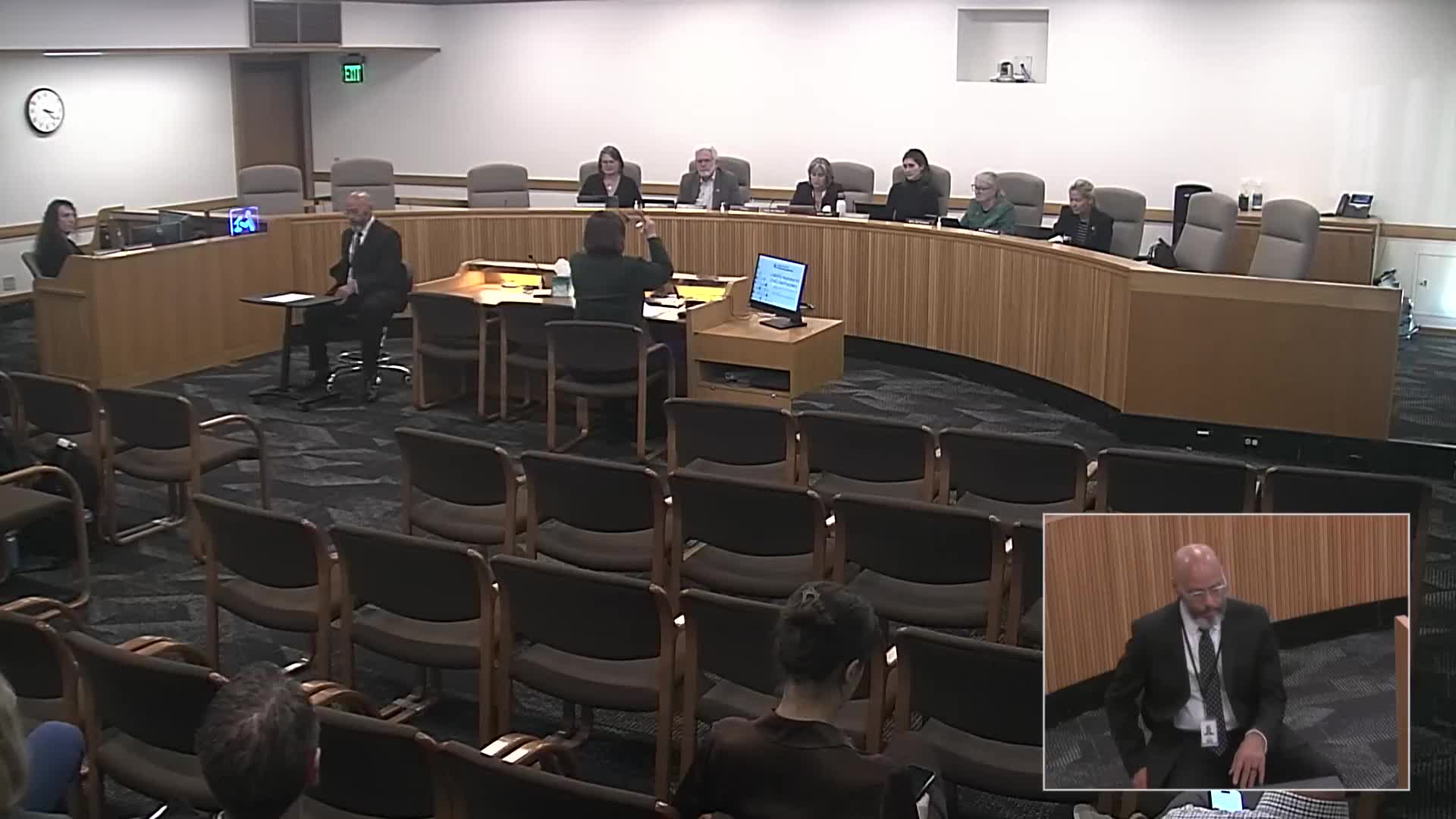
Childcare providers across Oregon are facing sharply rising liability insurance premiums and fewer carriers willing to underwrite programs, state officials told the Senate Interim Committee on Early Childhood and Behavioral Health.
Carrie McCann, interim director and policy and strategy director at the Department of Early Learning and Care, said insurers are increasingly using licensing inspection records and minor citations to deny or non-renew coverage. "Insurance requirements vary from state to state," McCann told the committee, and "providers across The United States want to have this kind of coverage" but are seeing costs and market exits.
McCann cited national research from the National Association for the Education of Young Children and state surveys indicating substantial premium increases and declining insurer availability. She told senators that in some regions of Oregon only one carrier remains available for childcare policies and that providers who serve children with disabilities report higher costs or inability to obtain coverage.
State officials outlined four contributing factors: broad economic pressure on premiums and reinsurance, public posting of inspection records that insurers review, an increase in claims, and evidence that deregulation in some states has led carriers to increase rates where they see higher risk.
The department plans a statewide survey of grantees required to carry insurance to document cost and availability trends and will track legislative activity in other states for potential approaches. McCann suggested coordination with the Department of Consumer and Business Services, which oversees insurance, as a next step.
Why this matters: insurance market contractions and rising premiums can force small providers to close, reduce service availability — especially in rural areas — or make programs unaffordable for families.
Committee members asked whether DELC could alter how inspection findings are shared to reduce insurer use of minor, corrected noncompliances as grounds for denial. McCann said federal rules require public posting of inspection and licensing reports and that DELC will study whether it can better distinguish low-risk findings for educational purposes.
The committee did not act on policy changes during the hearing but requested follow-up information and data from DELC about insurer availability and the planned survey methodology.