Get Full Government Meeting Transcripts, Videos, & Alerts Forever!
Get email alerts on the Microcenters topic
No spam. Unsubscribe anytime.
Oregon pilot shows ‘microcenter’ hub model can work for very small childcare sites, but funding and zoning remain barriers
Summary
A Department of Early Learning and Care pilot found microcenter hub-and-satellite models can support small childcare sites and mixed-age groupings, but directors said public funding and local zoning/building coordination are essential to make the model viable statewide.
A state-run pilot of "microcenters" — small childcare classrooms supported by a central administrative hub — found the model can work for programs serving 30 children or fewer, but providers and regulators told legislators that the approach will need sustained public funding and better local coordination to scale.
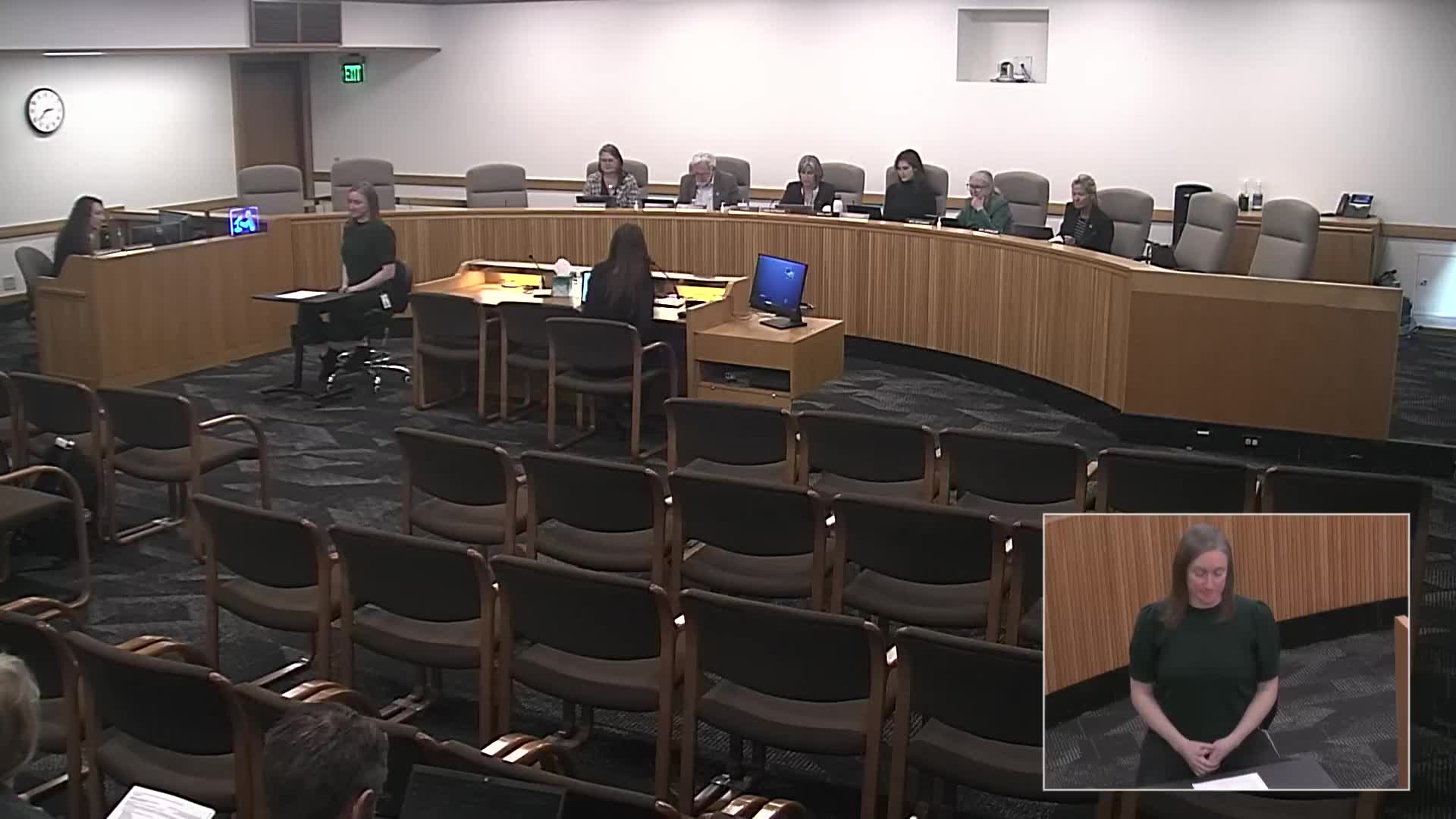
The Senate Interim Committee on Early Childhood and Behavioral Health heard the findings on behalf of the Department of Early Learning and Care (DELC) from Alicia Gardner, director of the Child Care Licensing Division. Gardner said the pilot, directed by Senate Bill 1040 (2023), tested regulatory exceptions and hands-on technical assistance with three participants and concluded “this model can work.”
The pilot tested a hub that would manage staffing, enrollment, billing and compliance while care occurs in small satellite sites. Gardner said hubs can create efficiencies by centralizing administrative tasks so small sites can focus on care delivery.
Gardner described three pilot participants: a bilingual preschool in The Dalles that consolidated two small sites into one to reduce administrative burden and serves 30 children; the Play Academy in Coos Bay, licensed for 28 children and providing rare infant/toddler care on the South Coast; and Silly Billies Together in Lane County, a three-site operator serving just over 60 children. Gardner said participants rely on mixed public and private funding streams, including ERDC and Preschool Promise.
The Division granted targeted exceptions during the pilot, including allowing one director to oversee multiple sites with reduced on-site hours provided another accountable adult was available, and permitting sight-or-sound supervision (a family child care standard) in very small classrooms. One participant reported saving about $2,500 a month after the supervision change and used the savings to provide staff perks.
Gardner emphasized that, although supervision and mixed-age ratios can be flexible without compromising safety, workforce shortages remain acute. She also told the committee that DELC’s authority over facilities is limited — building codes, fire safety and zoning are enforced by other agencies — and that inconsistent interpretations across jurisdictions caused delays; one pilot program closed its school-age recorded program because it could not secure necessary local approvals.
Why this matters: supporters and providers told the committee the hub model could expand access in childcare deserts, particularly rural areas, but they warned that without ongoing public subsidies and clearer local regulatory paths, small providers will struggle to operate.
What’s next: Gardner recommended further investments in publicly funded programs, local zoning reforms, and DELC’s development of a unified customer service team to help providers navigate multiple authorities. The committee asked for follow-up materials and additional recommendations for statutory or rule changes.
At the hearing’s end, Chair Lisa Reynolds thanked DELC and encouraged lawmakers to identify ‘‘low-hanging fruit’’ rule changes while pursuing broader funding and zoning solutions.