Get Full Government Meeting Transcripts, Videos, & Alerts Forever!
Get email alerts on the Road User Charge topic
No spam. Unsubscribe anytime.
Nonprofit and industry urge fixes to Oregon's road‑user charge and rebate funding
Summary
A coalition of speakers including Forth urged the legislature to make the road-user charge fair across vehicle types and to stabilize Oregon's popular EV rebate program, which speakers said is oversubscribed and at risk after federal incentive changes.
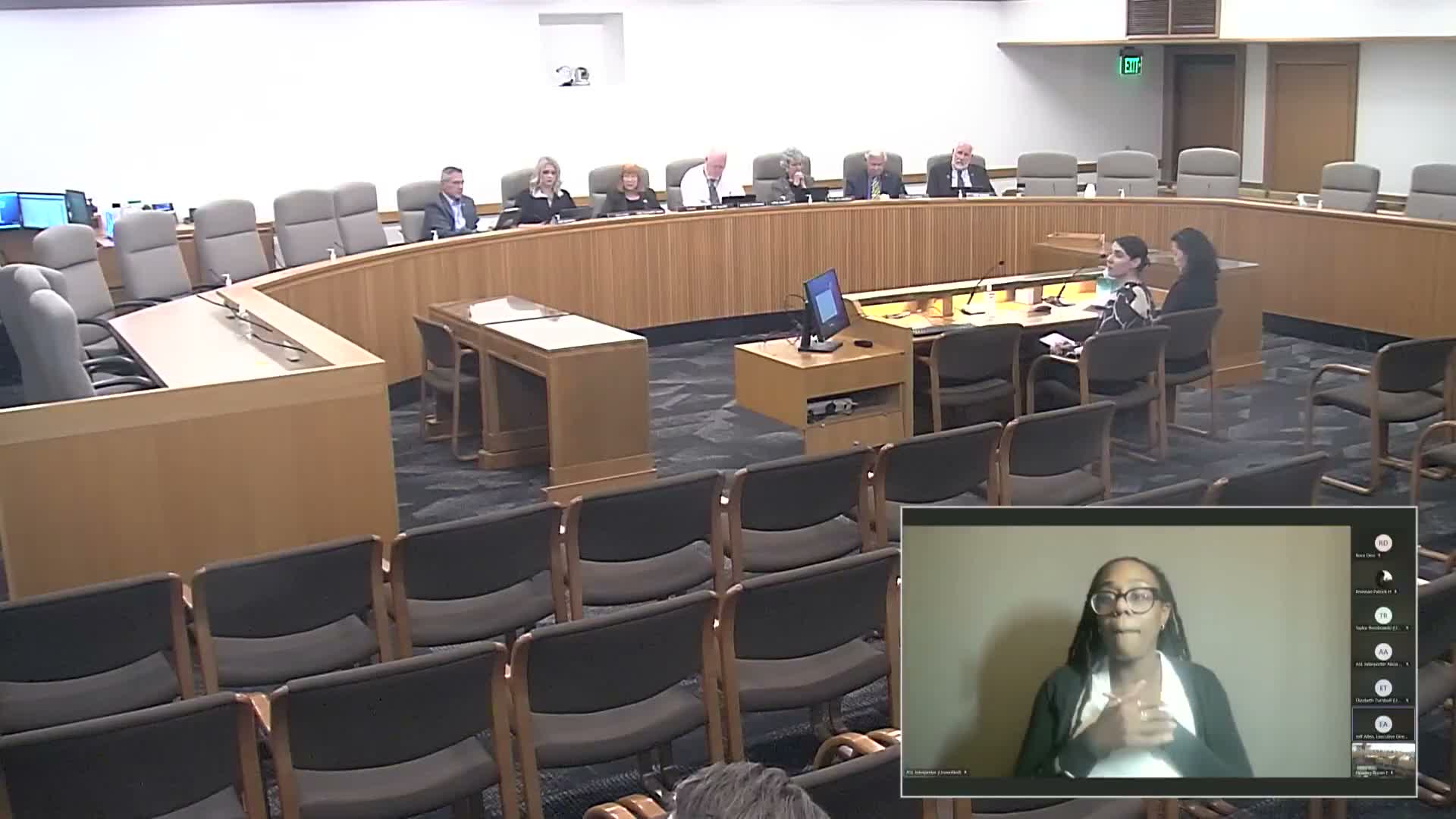
Jeff Allen, executive director of Forth, told the committee that a fair road‑user charge should not make certain drivers pay more because of vehicle choice and recommended either transitioning all vehicles into a per‑mile system or, as an interim step, setting an EV per‑mile fee equivalent to the most efficient gas vehicle to preserve incentives for efficiency.
Allen also called for changes to Oregon’s rebate program, which he said has distributed roughly $120,000,000 to about 38,000 Oregon drivers with about one‑third going to income‑qualifying households. He said the program’s popularity has left it dramatically oversubscribed and urged either full funding or right‑sizing the program to have more consistent market impact.
Industry and utility representatives at the hearing said managed charging programs and utility Transportation Electrification plans (filed every three years by investor‑owned utilities) can support home and workplace charging while helping to manage grid load. Lawmakers pressed on equity concerns for multifamily housing and asked for examples of curbside and community charging pilots; industry witnesses cited New York City, Boston and Portland pilot work and pointed to utility rebate programs for multifamily properties as best practices.
Several legislators raised fiscal questions about redirecting statutory funds and whether state obligations would continue if federal grants decline; speakers emphasized that many funding streams are statutorily earmarked and that the state is not obligated to continue matching funds when federal grants lapse.
Allen and other witnesses offered to provide additional data to the committee, including cost estimates for fully building out corridor charging, RUC fairness scenarios, and options to preserve market incentives while ensuring revenue for roads.