Get Full Government Meeting Transcripts, Videos, & Alerts Forever!
Get email alerts on the Trimet Budget topic
No spam. Unsubscribe anytime.
TriMet tells Senate committee it faces a $300 million gap, says at least 10% of service will be cut by 2027
Summary
TriMet officials told the Senate transportation committee the agency faces an annual budget gap roughly $300 million and must reduce service at least 10% by 2027 without a stable new revenue source; TriMet cited ridership recovery, rising operating costs and a $700 million capital maintenance backlog.
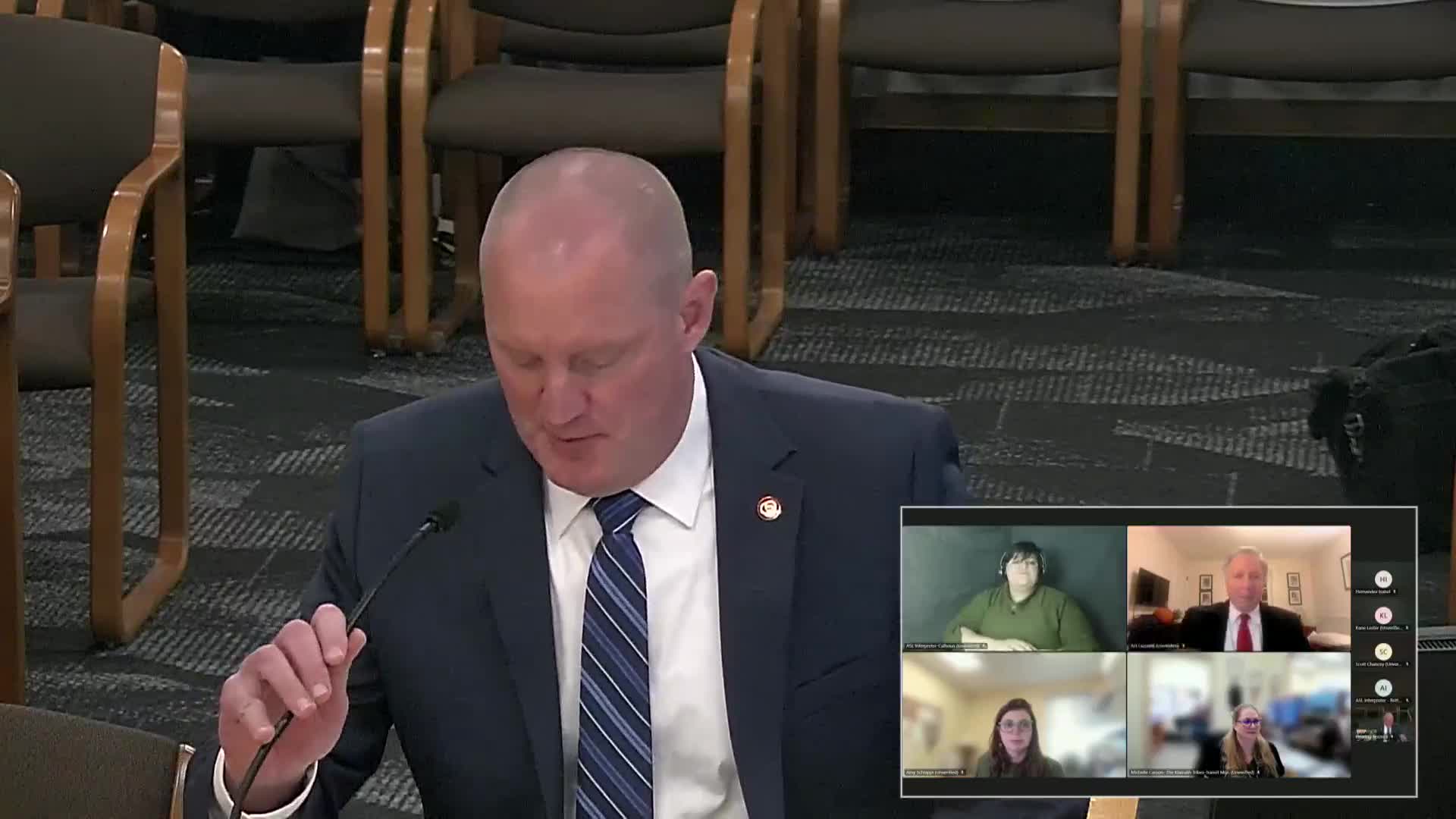
TriMet’s chief public affairs officer, JC Vineta, told the Oregon Senate Committee on Transportation that the agency is confronting a large and growing fiscal shortfall that will force service reductions without new, sustainable revenue.
"Our budget deficit is forcing us to cut at least 10% of service by the 2027," Vineta told the committee during an informational hearing, adding that TriMet announced plans earlier in the year to close a roughly $300,000,000 annual budget gap. He said the agency plans a fare increase in 2028 and that some service cuts begin in November, with larger proposals planned for public review in January and additional larger cuts next December.
Vineta presented agency data showing 65.8 million trips in the last fiscal year (about 1.3 million rides per week) and said 37% of riders are transit-dependent. He described major cost pressures — a 53% increase in operating costs between 2019 and 2024 he attributed to inflation, rising public-safety spending (TriMet said it has tripled its security budget) and a capital maintenance backlog TriMet described as roughly $700,000,000. He also said TriMet has implemented internal spending reductions, including hiring restrictions and steps to minimize layoffs, and described a roughly 5% reduction in agency spending to date.
Committee members asked about the timing and scope of layoffs and service reductions. Vineta said the agency is prioritizing attrition and vacancy elimination where possible but confirmed some divisions will see deeper cuts and that service changes will be developed with community engagement.
TriMet urged the Legislature to help identify stable, long-term funding so the agency can avoid deeper cuts. The agency also emphasized that while ridership has recovered in many markets, changing commute patterns mean downtown commuter rail and light-rail markets remain challenged and that preserving service is critical for transit-dependent riders who rely on it for medical care, work and daily needs.
The committee did not take formal action on the TriMet presentation; the hearing moved on to other transit providers and policy panels.