Ohio Senate Approves Broad Oil and Gas Law Update After Debate, 25‑8
Loading...
Summary
The Ohio Senate passed Substitute Senate Bill 219, a comprehensive update to state oil and gas laws that sponsors say protects the orphan well plugging fund and streamlines permits, while critics warned it could speed leasing of public lands and reduce public notice.
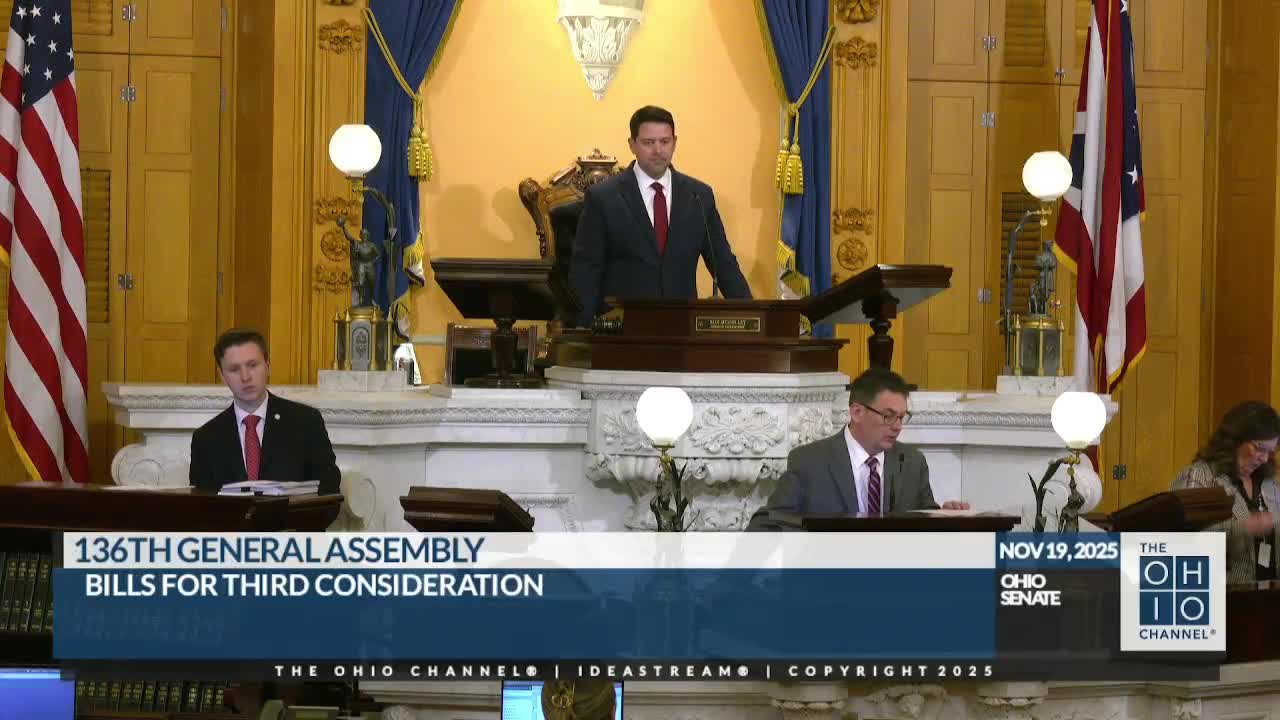
The Ohio Senate voted to pass Substitute Senate Bill 219, a wide‑ranging update to Ohio’s oil and gas laws, by a 25‑8 margin.
Senator Landis, the bill sponsor, described the measure as the first general update since 2012 and highlighted provisions he said would protect the orphan well plugging program and its fund (primarily supported by severance taxes), streamline landowner notice for plugging, allow expedited permits up to 10 times per year (absent emergencies), speed land‑transfer paperwork to reduce delays in transferring well liability, place a three‑year cap (with renegotiation) on road‑use maintenance agreements, and reduce the statutory limit to terminate an oil and gas lease from 21 years to six. "This bill is a great first step in the right direction for updating Ohio's ... laws when it comes to one of the state's oldest and biggest industries," Landis said.
Senator Smith, speaking in polite opposition, praised the committee process but said more hearings were needed and expressed specific concerns that the bill "accelerates the timeline for leasing state parks, forests, and wildlife areas for oil and gas development, compressing the review, bidding, and leasing process, and limiting some public notice, comment and environmental oversight."
Senator Chavez defended the committee's work and rejected what he called misinterpretations: "This bill does not usurp the division's authority. It does not diminish the review process. It does not weaken regulatory authority, and it does not reduce transparency," he said.
Senator Roegner highlighted an amendment redirecting certain fee proceeds from the well owners' fee to the county or counties where the well is located and announced his yes vote.
The clerk called the roll; the chair announced the result as 25 yeas and 8 nays. The bill was passed and entitled; the title was agreed to on the floor. Sponsors said the measure will now move toward the House for further consideration.