
MSBA reviewer: late federal claims and inaccurate projections left St. Joseph reserves far below budgeted level
Get AI-powered insights, summaries, and transcripts
Subscribe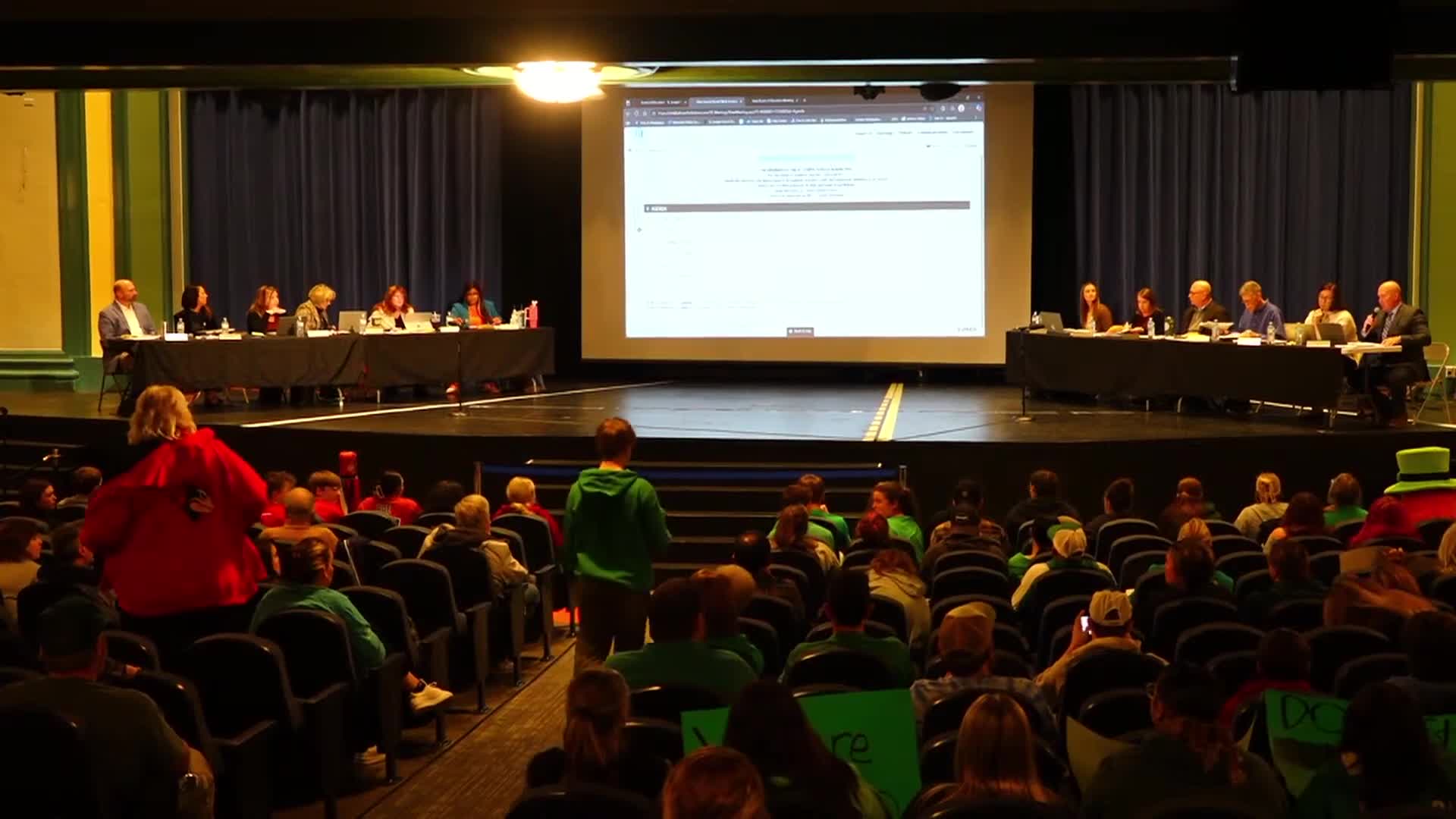
Summary
Linda Quinley of the Missouri School Boards Association told the St. Joseph School District Board that late claiming of federal Title reimbursements and large variances between the June budget projections and actual expenditures left the district with about 10% reserves instead of the 20% shown in the budget; she recommended regular check-ins, clearer variance reporting and a multi-year plan.
Linda Quinley, executive finance director of the Missouri School Boards Association, told the St. Joseph School District Board on Monday that an external review of the district's June 30 financial position showed late federal claiming and large budget-to-actual variances were the primary causes of a surprise drop in reserves.
"This is not an external audit," Quinley said as she opened her presentation, clarifying the work was a review of publicly available, verifiable data and not an audit of the district's books. She said the review focused on four drivers: student counts (ADA/WADA), assessed valuation and levy, federal funding trends, and operating reserves.
Quinley said average daily attendance declined by about 1,236 students; weighted average daily attendance declined by 857 (or 771 when compared with the 2019 baseline). "As student count and student attendance decline, the revenue has significantly declined from the state," she said, and estimated the district now receives about $2.8 million less in state revenue since 2019-20 (about $560,000 a year on average).
On federal funding, Quinley said the district was down roughly $2 million in federal program dollars versus five years earlier and that the most alarming finding was the Title program. "I found that late claiming of your Title Federal programs was a problem and a challenge that had to be addressed," she said, adding that timely claiming is a basic reimbursement practice.
Quinley said Doctor Hedgekorth later claimed missed Title reimbursements, and the district has since received about $9.7 million in Title revenue that "should have been in your bank on June 30." She said had those funds been in hand at year-end, reserves would have been near 16% rather than the roughly 10.02% reported at close of year.
The presenter told the board the district's June budget projected a $14 million increase in reserves but actual results showed a $10 million decrease, a roughly $24 million variance between what the board was shown in June and what actually occurred. She also said budgeted expenditures missed actuals by about 19% overall, calling out certified salaries (about 8% variance), noncertified salaries (6%) and benefits (14%) as key contributors.
Quinley urged the board to expect more-consumable reporting from administration, including a projected-actual column in June that captures contractual obligations and remaining payroll, and recommended periodic budget check-ins (October, January, March/April) and a final budget amendment in June rather than later in the summer. "Ask for a variance column," she said. "If the column isn't in there, ask for it because what a board of education needs to do is come across those reports and look for highlights."
Board members raised procedural questions about decentralized budget development and contract oversight. Quinley endorsed a centralized compilation of building and department requests with clear education for budget managers and reiterated that, under Missouri law, the board must authorize contracts: "Only the board of education can authorize a contract. All contracts need to come to the board for approval," she said.
Several members pressed why external auditors had not flagged the Title-claiming issue earlier. Quinley explained that auditors attest to the accuracy of year-end financial statements and perform compliance testing, but corrective actions or late claims that are processed after year-end can make issues less visible in an audit unless the auditor provides a management letter recommending procedural fixes.
Quinley recommended the board set a target fund-balance percentage, build a five-year projection and consider starting reductions at the central office before proposing cuts that directly affect classroom instruction. She warned that Missouri law treats a reserve of 3% as fiscal distress, at which point the state can remove the elected board and appoint a replacement.
The presentation concluded with board discussion and no formal fiscal action beyond procedural direction; the meeting recessed after routine adjournment votes. The board will receive the district's external audit next month, Quinley noted, and was advised to follow up with administration on the recommended regular check-ins and clearer reporting.