DAS says rules advisory committee advanced draft PERS overtime averages; AFSCME urges protections for corrections staff
Loading...
Summary
Department of Administrative Services staff told the House labor committee that a Rules Advisory Committee reviewed options for implementing the 2003 statutory requirement to set more than one overtime average for OPS‑cert members. RAC input ranged from no cap to a 2,000‑hour cap; DAS revised drafts and plans to publish rules for public comment with annual published averages. AFSCME urged a workable rule for corrections workers.
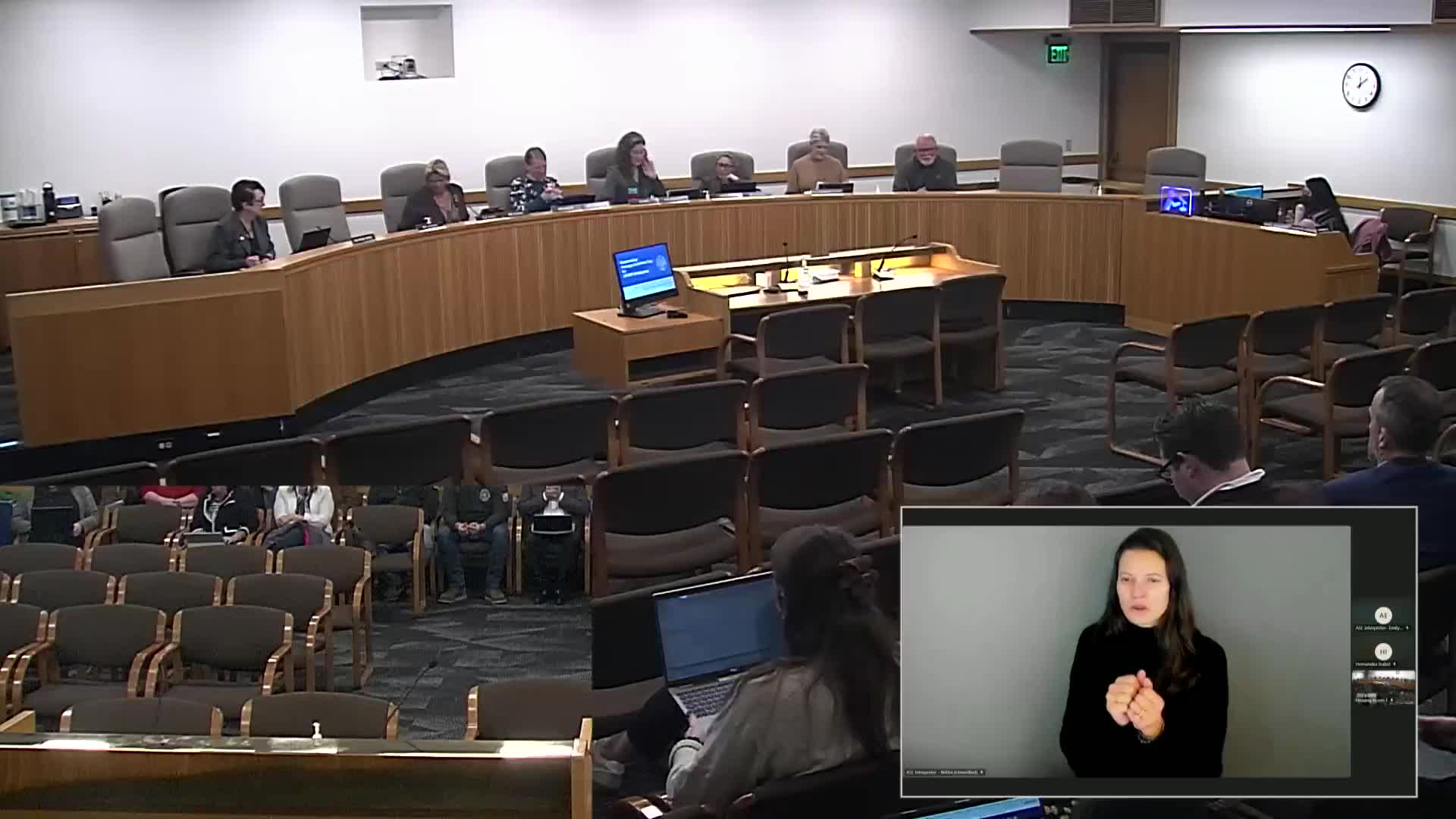
Department of Administrative Services officials briefed the House Interim Committee on Labor and Workforce Development on Nov. 18 about rulemaking linked to House Bill 3,363 and how overtime hours are counted toward a PERS member’s final average salary.
Jessica Neely, Chief Human Resources Officer at the Department of Administrative Services, said the 2003 statute directed DAS to adopt rules establishing more than one overtime average by class and geography, but DAS had not previously adopted such a rule. She said DAS historically used a 300‑hour cap across the enterprise and that the RAC—convened after 2025 direction from the Legislature—first recommended either no cap or a 2,000‑hour cap before DAS sought legal guidance and redrafted the rule.
Neely said the RAC recommended several elements now reflected in revised drafts: a simplified definition of geographic placement, inclusion of agency in overtime averages, a minimum averaging floor (RAC discussed an 800‑hour minimum to include in averages), publishing overtime averages annually by Oct. 1 with the averages taking effect the following January, and providing an avenue for employees to challenge published averages.
Alyssa Aguilar, a political coordinator with Oregon AFSCME, read testimony on behalf of union members and urged a rule that addresses mandated overtime and the large number of hours some corrections staff log under current practices. She told the committee the intent of prior reform was to avoid ‘‘spiking’’ — using large overtime totals in the final three years to inflate pensions — while ensuring rules do not further disadvantage workers.
Committee members probed why the rulemaking is complex, statutory limits on what DAS can set, and whether published averages and challenge processes would be administratively feasible. Neely said DAS has been working since July with RAC membership that included labor unions, PERS and agency subject matter experts, and that DAS intends to publish revised rules for public comment and then adopt rules after the comment period.
No formal action was taken; DAS requested continued legislative engagement as rule text is finalized and indicated the plan to have revised rules and an annual publication process in place so averaging updates occur each January following publication.