Get Full Government Meeting Transcripts, Videos, & Alerts Forever!
Get email alerts on the Paid Leave topic
No spam. Unsubscribe anytime.
Oregon officials propose accounting fix to blunt IRS payroll‑tax ruling for paid leave
Summary
Oregon’s economic-development and paid‑leave officials told the House labor committee that a recent IRS ruling treating employer‑funded portions of paid medical leave as wages could create substantial payroll‑tax costs unless Oregon adopts an accounting method to segregate employer and employee contributions. The agencies requested a small statutory change in the 2026 short session to pursue that approach.
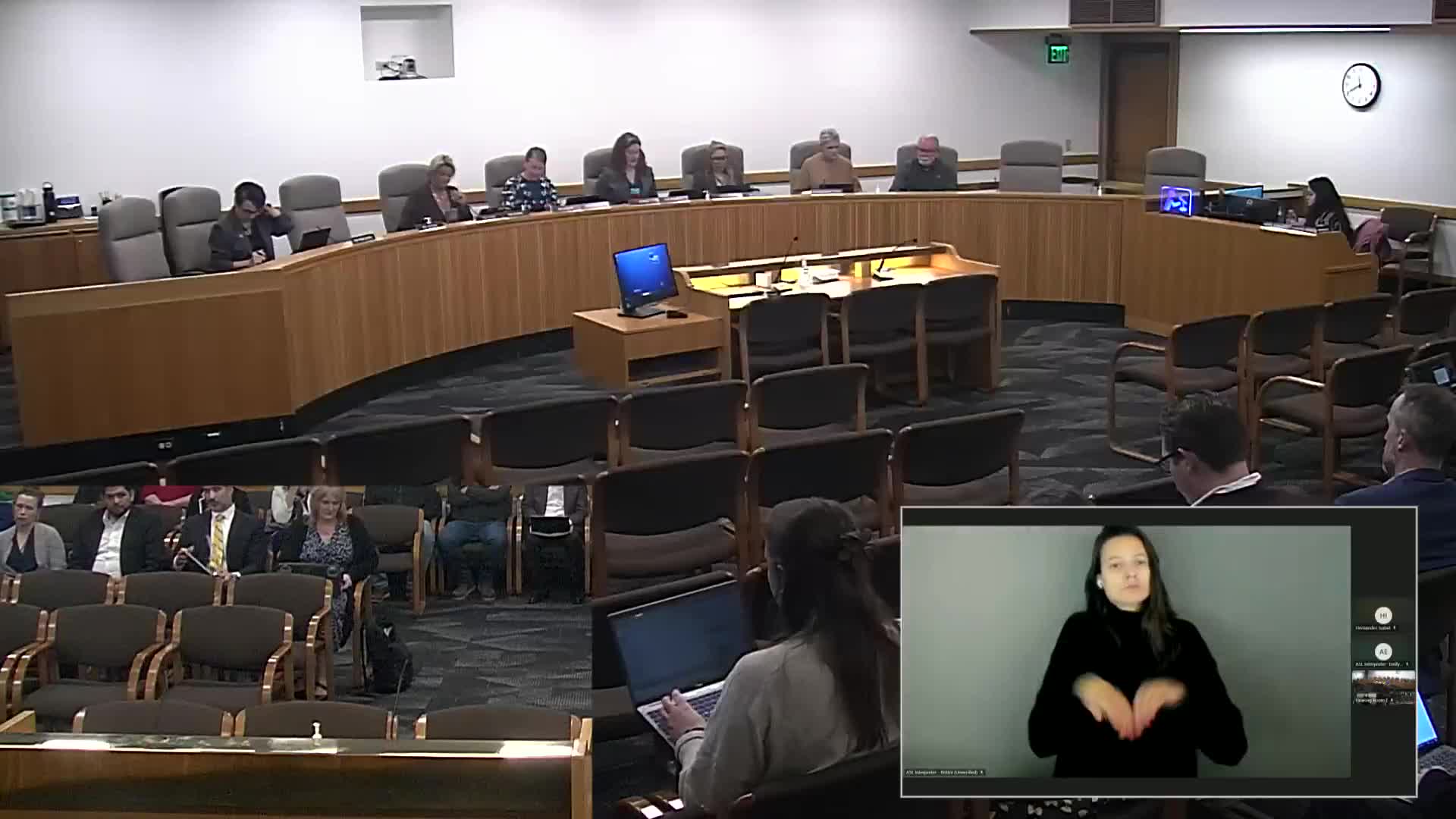
Oregon officials told the House Interim Committee on Labor and Workforce Development on Nov. 18 that a recent IRS revenue ruling changing federal tax treatment of state paid‑leave benefits will require changes to how Paid Leave Oregon reports and funds benefits.
Andrew Stolphy, director of the Oregon Employment Department, and Juan Serratos, acting director of Paid Leave Oregon, said the IRS ruling treats any portion of medical‑leave benefits funded by employer contributions as wages for federal payroll‑tax purposes and requires reporting on Form W‑2 rather than Form 1099‑MISC.
“Employers could owe taxes on benefits they did not issue,” Serratos said, warning that claimants could receive lower take‑home benefits and that, if the program’s trust fund covered payroll taxes, the fund’s long‑term stability could be weakened. He said the IRS gave states less than a year to implement complex reporting and system changes.
Officials modeled two compliance paths. The first, a payroll‑tax method, would continue using employer contributions to fund medical benefits but would first collect and remit payroll taxes. Serratos said agency estimates include about $5.6 million in one‑time system and administrative setup costs and roughly $20 million in ongoing annual tax liabilities under that method.
The second approach, which the agencies recommended, is an accounting method that tracks each dollar by source—employee or employer contributions—and uses dollars designated as employee contributions to pay medical leave benefits. Serratos illustrated the approach with an analogy: “Employer dollars get a red sticker. Employee dollars get a green sticker,” and when benefits are paid the agency would draw from the employee‑contribution (green) funds.
Stolphy told the committee the accounting method is consistent with legal advice from the Oregon Department of Justice, is similar to proposals in Washington, and would avoid new payroll‑tax liabilities for employers and claimants. He said the advisory committee for the program supports the approach.
If the Legislature agrees, Stolphy said Paid Leave Oregon would need a small statutory change in the 2026 short session to authorize allocating contributions in the trust by source and leave type, make modest IT and accounting updates, and adopt administrative rules. The agency also said Oregon joined other states in requesting an implementation extension to Jan. 1, 2027.
Committee members asked about the fiscal and staffing impacts of implementing the accounting method. Serratos said the accounting changes are absorbable within existing agency resources and would not require new full‑time employees, though there would be some absorbable costs to update accounting and reporting systems.
The committee did not take any formal action; agencies left the committee with a request for legislative authority to proceed with the accounting approach and for continued oversight as statutory language is developed.