Senate committee hears Maine and Oregon officials on building a coordinated ‘blue economy’
Loading...
Summary
Speakers from Maine and Oregon told the Senate Interim Committee on Energy and Environment that coordinated ‘blue economy’ clusters, workforce programs and modest state supports—rather than new broad regulation—could expand coastal industries, add value to seafood and support resilience. Lawmakers pressed for procurement and regulatory fixes to boost local seafood markets.
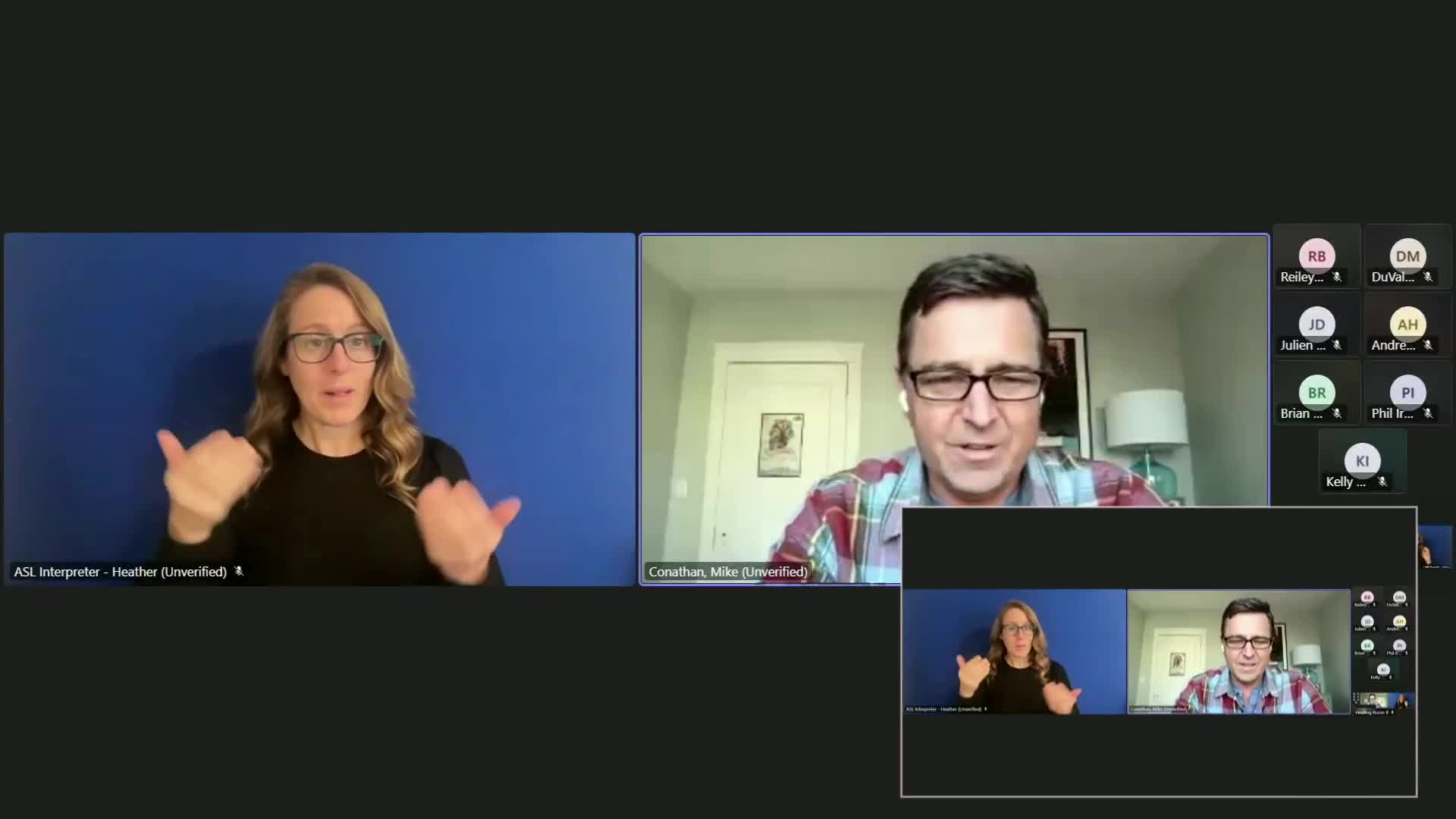
Mike Conathan, who helped lead Maine’s Blue Economy Task Force, told the Senate Interim Committee on Energy and Environment that the state’s task force — created by 2024 legislation — settled on a five‑sector definition of the blue economy and recommended two near‑term priorities: a blue‑economy center and workforce development pathways. “Most of our time was coming to agreement on a description and a definition of the blue economy,” Conathan said, adding the task force delivered a report to its legislature and is finalizing a second draft.
The presentation framed the blue economy as both a way to support legacy coastal industries (such as fishing and shipbuilding) and to cultivate emerging sectors like marine biotechnology, marine vegetation aquaculture, ocean research and resilient coastal infrastructure. Conathan described cluster‑development organizations in other states — including Maritime Blue and other regional incubators — as models for coordinating industry, research and investment.
Marcus Hins, executive director of the Oregon Coast Visitors Association, described Oregon’s Ocean Cluster work and summarized a market analysis his group commissioned, saying “90% of the seafood sold and consumed along the Oregon Coast was not from Oregon.” He urged market‑based steps to increase local value‑added processing, co‑packing infrastructure and product development so coastal businesses can scale without leaving the state. Hins pointed to international examples — including Icelandic firms turning low‑value fish inputs into medical and cosmetic products — to make the case for investment in product innovation.
Committee members pressed speakers on concrete barriers. Senator Robinson and others cited licensing and processing limits that can block fishermen from selling directly to restaurants or developing new products; Marcus Hins and other speakers said seller/buyer licensing and permitting (including OAR‑level rules and DEQ/SHPO processes) often impede local sales and the operation of processing plants. Hins recommended modest support for food innovation centers, shared co‑packing facilities and targeted product‑development grants to overcome regulatory and scale barriers.
Conathan emphasized the workforce element: the Maine task force prioritized education and career pathways for new sectors as a complement to creating a blue‑economy center to coordinate research, industry and training. Both presenters urged that state action focus on enabling private‑sector market solutions rather than broad new regulation.
The committee closed the informational hearing with an acknowledgement that the topic intersects with conservation and local community priorities and with a promise to follow up on specific regulatory and procurement questions raised by members. The committee then transitioned to a separate hearing on utilities’ financial health.