
Researchers and Oregon districts make the case for 'active playful learning' in early grades
Get AI-powered insights, summaries, and transcripts
Subscribe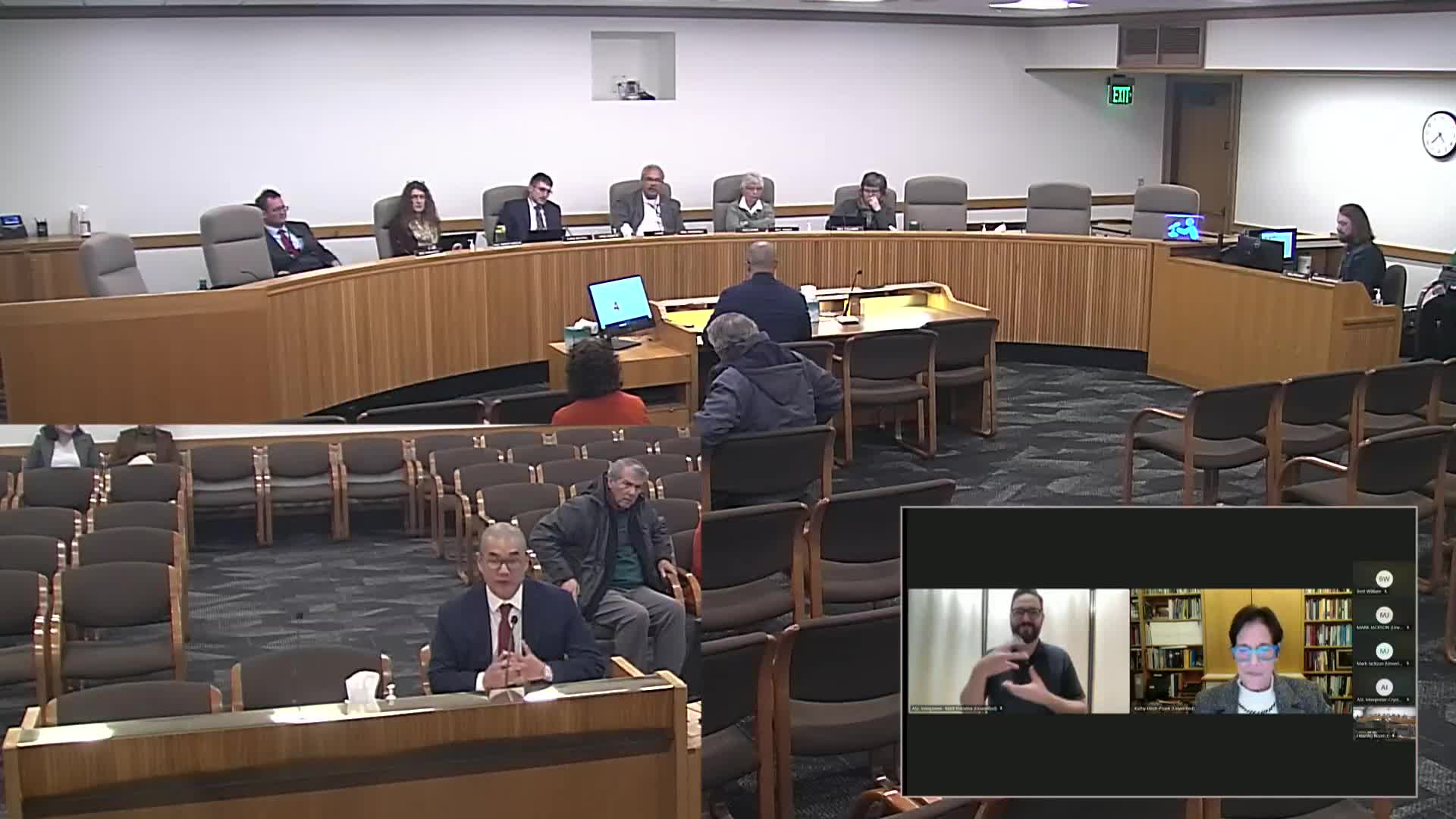
Summary
National researchers and state partners told the Senate Education Committee that active playful learning—an evidence‑based pedagogy emphasizing engagement, social interaction and choice—improves classroom engagement and teacher satisfaction; Oregon districts are piloting the approach and adapting report cards to capture broader skills.
Educators and researchers told the Senate Interim Committee on Education on Nov. 18 that active playful learning (APL) is an evidence‑based, classroom‑focused approach that increases engagement and can be aligned with academic standards.
Sue Bineau, co‑director of Teaching Preschool Partners, introduced Dr. Kathy Hirsh‑Pasek, a Temple University professor and senior fellow at the Brookings Institution, who described the science of learning behind APL. Hirsh‑Pasek said students learn best when instruction is active, social and meaningful, and cited pilot findings showing a shift from passive whole‑class instruction to more paired and active learning, increases in student agency, and gains across six targeted skills (communication, collaboration, content, critical thinking, creative innovation and confidence). "When we teach in the way that human brains learn, students are likely to learn better, thrive in the classroom, and even do better beyond the classroom," she said.
Hirsh‑Pasek identified independent classroom observations, coach ratings and teacher ratings as the primary evaluation methods used in the multi‑state pilot and said Oregon has joined the national research effort. Teaching Preschool Partners highlighted district examples (Tigard‑Tualatin, Park Grove, Beaverton, North Clackamas and Rogue Primary School) that are integrating APL into existing funding streams and revising report cards and professional development to show competencies beyond numeric scores.
Committee members asked how student outcomes are measured and how APL scales beyond kindergarten; presenters said pilot assessment uses teacher and coach ratings and independent observations and that APL methods are adaptable to older elementary grades with coaching support. Presenters also noted APL’s potential to support social‑emotional learning and to help students develop skills that complement, not replace, core academics.
No formal committee action was taken; senators asked for continued reporting on pilot outcomes and assessment approaches.