Get Full Government Meeting Transcripts, Videos, & Alerts Forever!
Get email alerts on the Business Competitiveness topic
No spam. Unsubscribe anytime.
Business leaders warn of talent, cost and regulatory pressures; call for procurement, permitting and retention reforms
Summary
Manufacturers, hospitality operators, trades unions and business groups told the House committee that talent shortages, rising costs, regulatory burdens and a disputed BOLI interpretation are constraining growth; witnesses urged procurement reform, permitting changes and retention strategies to keep firms and jobs in Oregon.
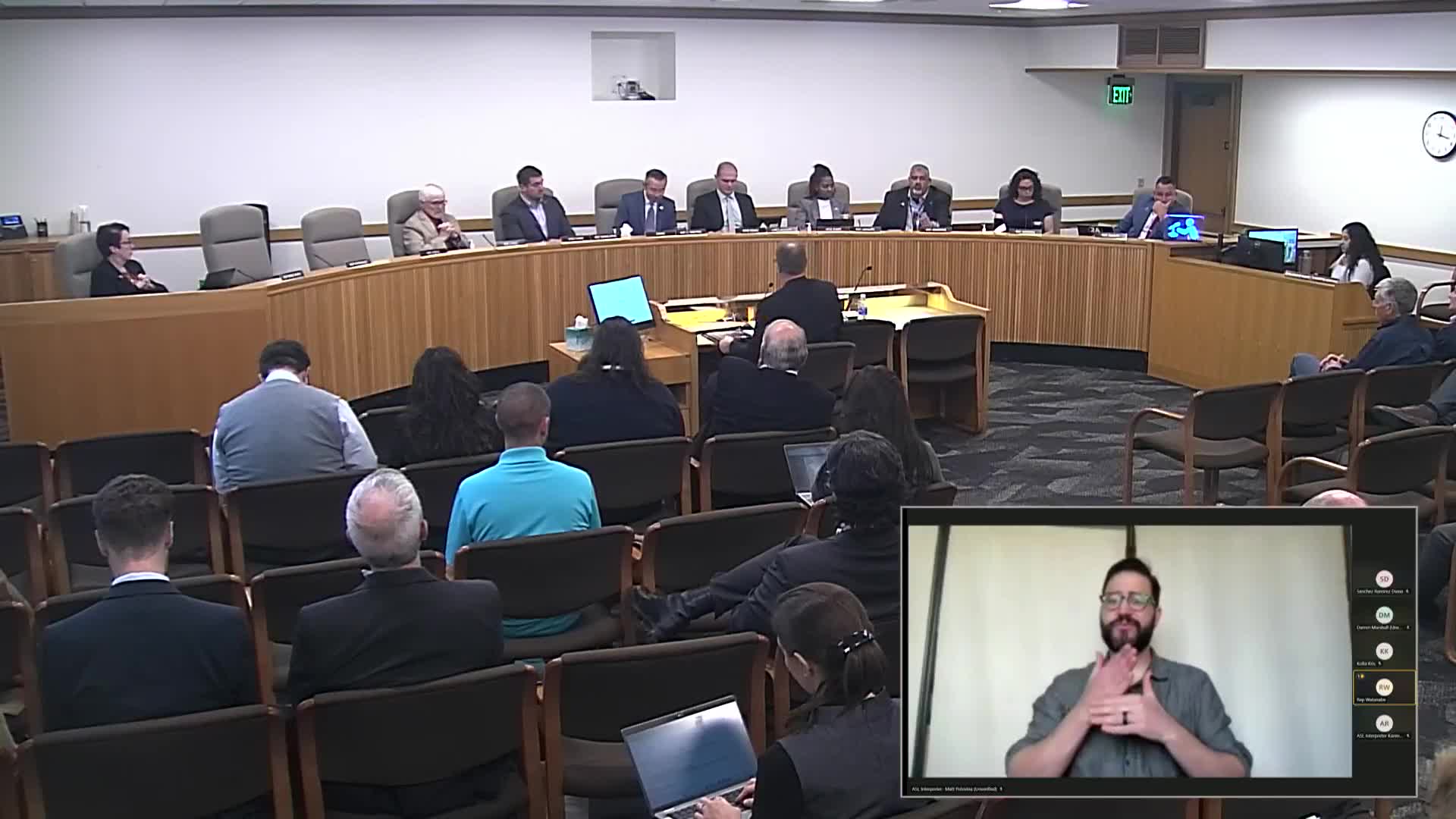
Panels of business leaders and workforce representatives told the House Committee on Economic Development, Small Business and Trade on Nov. 19 that Oregon—s current mix of high costs, regulatory complexity and limited local contracting opportunities are squeezing employers and risking outmigration of firms and projects.
Mary Jones, co-founder and president of Pelican Brewing Company, told lawmakers that a 2019 interpretation of a break-related administrative rule (and subsequent state-court treatment) exposes employers to strict liability and "crippling" cascading penalties if employees take short meal periods. "Oregon is the only state in the nation where employers are strictly liable for inadvertent short meal periods," she said, urging a targeted fix to avoid class-action exposure for small restaurants.
James Allen Parker, chief executive officer of the Northwest Native Chamber, urged procurement reform after citing Department of Administrative Services data showing most state contract dollars go out of state; he outlined a $350,000 proposal for a legal and spending analysis to identify barriers and recommend implementation paths that could unlock more state spending for Oregon businesses.
Representatives from manufacturing (Greg Smith, Garmin), construction trades (Robert Camarillo, Anna Martin and Bricklayers Local president online), retail and hospitality (Jeff White, UFCW Local 555; Nate Tremor; Willis Hill) described common operational pressures: difficulty finding talent for skilled and entry-level roles, thinning margins from high costs, and competition from out-of-state projects (cited examples: Micron in Idaho) that pull workers away.
Speakers offering solutions emphasized a package of actions: strengthening apprenticeship and high-school pathways (UPACT Oregon), streamlining permitting to make projects easier to build in-state, updating site-marketing and retention tools (Oregon Prospector), and exploring targeted procurement changes to increase in‑state contracting.
The committee heard industry praise for targeted state programs that seed startups and manufacturing investment, including Business Oregon grants and the semiconductor industrial land (SIL) program described by Valascor—s Rich Carter.
What—s next: Witnesses urged the committee to consider procurement and permitting reforms as part of the 2026 short session discussion. Committee members said they would follow up with presenters and staff to translate testimony into possible policy options.