Get AI Briefings, Transcripts & Alerts on Local & National Government Meetings — Forever.
Committee debates default delay for education bills; sponsor accepts July 1 amendment
Loading...
Summary
Representative Shepherd proposed a default effective date for most education-related bills to be moved to January 1; after members raised concerns about mid‑school‑year implementation Representative Wilcox moved to change the default to July 1 and the sponsor agreed. The transcript does not record a final committee vote on the resolution.
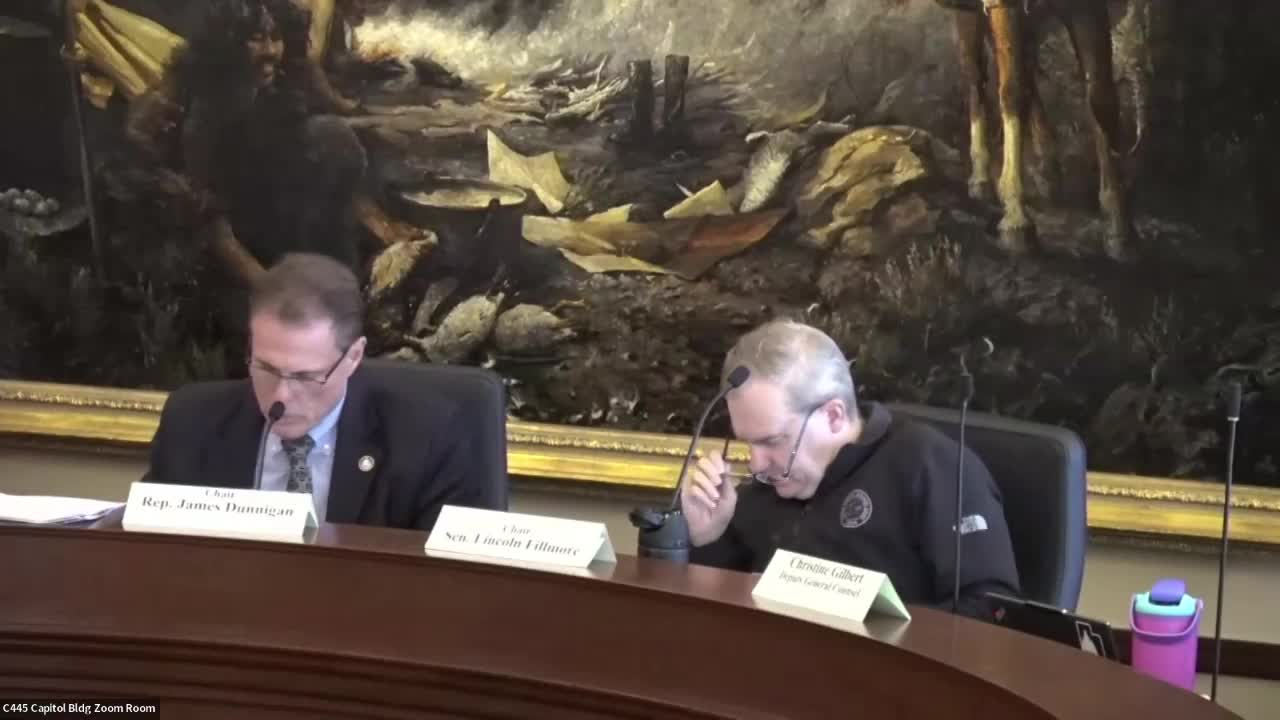
SALT LAKE CITY — The Legislative Process Committee considered a joint rules resolution from Representative Shepherd that would set a default effective date for education-related laws to give school districts more lead time for training and policy adoption.
"This resolution would just make the effective date of the bills related to education... January 1 of the following year," Representative Shepherd said, describing the proposal as a default meant to give districts extra months to prepare. Shepherd said her conversations with local superintendents and school board members favored more time to implement changes.
Members raised implementation concerns. Representative Perucci and Representative Moss questioned how a January 1 date would interact with an academic calendar that typically begins in August and whether curriculum or new programs implemented mid‑year would create operational problems for districts. Senator Filmore and others warned that classifying a broad set of measures as "education" could produce unintended mid‑year changes for issues ranging from dietary rules to flag policies.
Representative Wilcox moved to amend the default date from January 1 to July 1 "immediately following the session of that legislative year," saying July aligns better with summer implementation windows. Shepherd said she was "good with that motion" and reminded members the date was a default and sponsors could still request a different effective date for individual bills.
Committee discussion continued on whether the rule should exclude bills that include appropriations, whether some items might need a longer lead time and whether the default creates an uneven standard across state agencies. The transcript excerpt ends with ongoing discussion; no final committee disposition on the education implementation resolution is recorded in the provided segment.