Get Full Government Meeting Transcripts, Videos, & Alerts Forever!
Get email alerts on the Youth Perspective topic
No spam. Unsubscribe anytime.
Youth and advocates: limited therapy, education gaps and punitive extensions cited
Summary
TeamChild and a youth with direct experience told lawmakers young people at Echo Glen and other JR facilities face limited therapy access, disrupted family contact and educational shortfalls; advocates urged expanded community transition placements and limits on punitive sentence extensions.
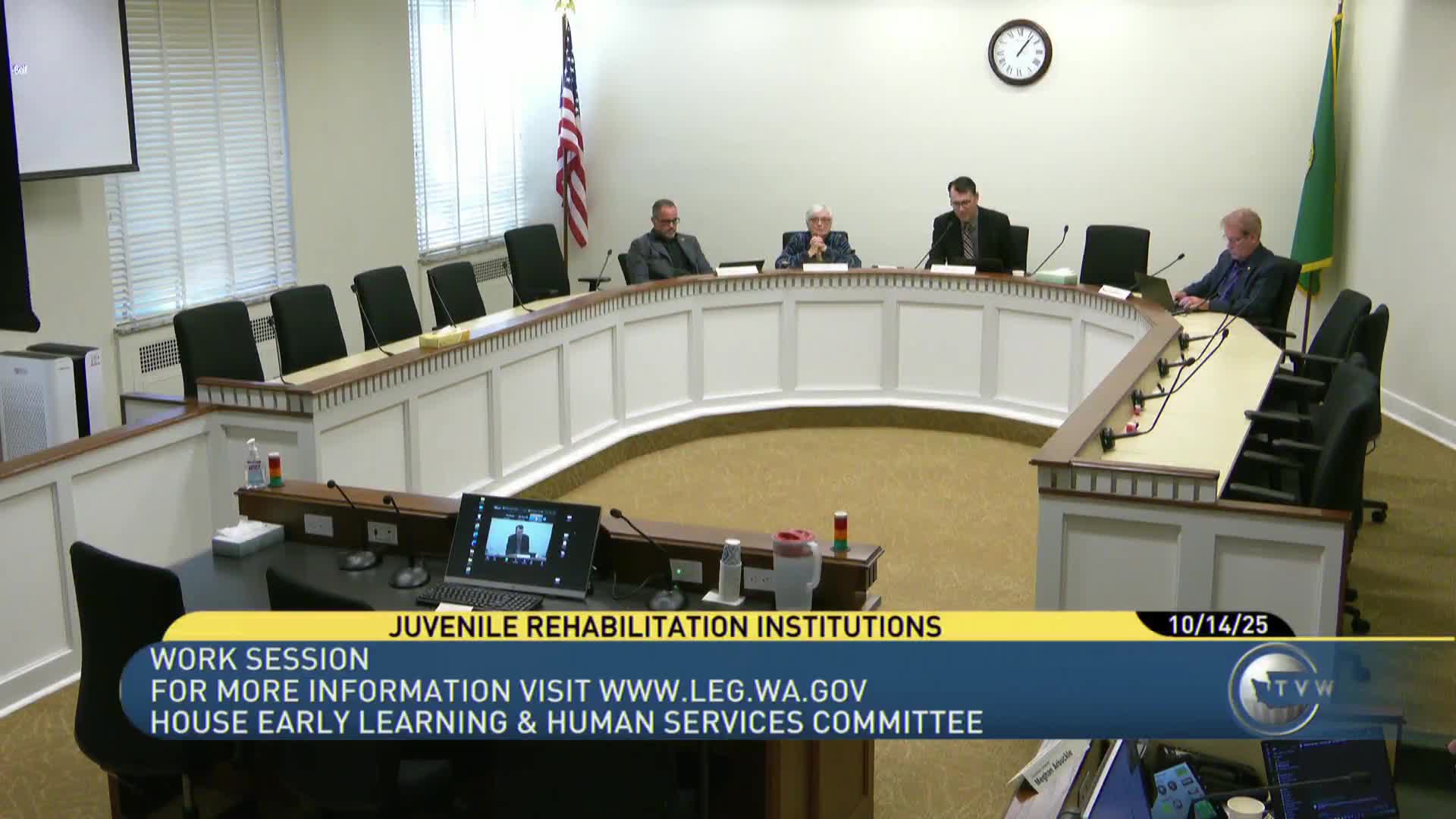
Greta Schultz, managing attorney for TeamChild, and youth advocate Gisela Gonzales addressed the committee to present a youth-centered perspective on conditions inside juvenile rehabilitation facilities.
Schultz said young people define "success" differently than institutional benchmarks: they name consistent mental-health services, freedom from violence, respect from staff and peers, and meaningful educational opportunities as the critical outcomes. She criticized the use of sentence extensions in some cases, saying extensions sometimes serve as what she described as punitive responses to facility behavior rather than documented treatment needs.
TeamChild and youth testimony raised specific concerns about access to mental-health care and family contact. "Youth will have to wait a month, months, just a very long time in order to have ... the deep behavioral health support that they need," Schultz said. She also said some youth reported phone access determined by a case manager and that visits can be reduced to no‑contact as a unit punishment.
Gisela Gonzales—identified to the committee as a high-school student with system experience—gave a direct account of her time inside county and state facilities. "When I came out of Echo Glen, I was... very undereducated at ECHO when I was there," she said, adding she saw her therapist "a total of 3 times" while detained and that she witnessed staff 'using more than what they were allowed to' and humiliating preventive measures. Gisela urged equitable access to college programs for women and better mental-health access.
Redmond (DCYF) and other agency presenters responded during the hearing: DCYF said secure facilities have school partnerships, on-campus psychologists and assessment batteries at intake and during stays, and that it is working to reintroduce college programming at Echo Glen. Committee members asked Gisela to submit a follow-up email comparing county and state facility experiences so the committee can capture details in writing.
The testimony drew support from legislators and a pledge from the agency to follow up on educational and counseling access. The committee did not take formal action during the session but requested additional materials and encouraged follow-up communications between youth advocates and staff.