Get Full Government Meeting Transcripts, Videos, & Alerts Forever!
Gardner Policy Institute tells Utah committee that tax complexity drives large administrative and compliance costs
Summary
Researchers told the Revenue and Taxation Interim Committee that growing complexity in income, sales and property taxes increases time and out‑of‑pocket costs for taxpayers and adds administrative burden for the Tax Commission—citing about 60 income‑tax credits (~$460M foregone) and roughly 60 sales‑tax exemptions (~$95M state sales‑tax impact).
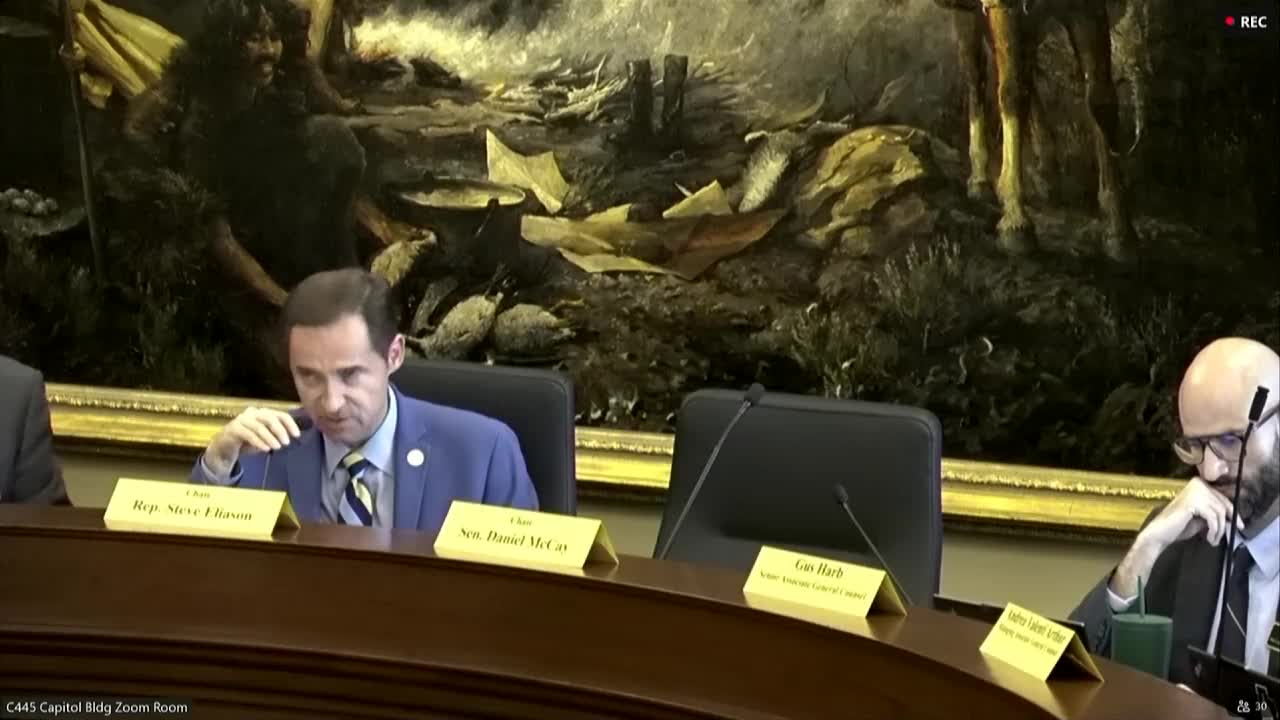
Phil Dean, chief economist at the Kim C. Gardner Policy Institute, told the Revenue and Taxation Interim Committee on Nov. 19 that tax design choices carry compliance and administrative costs that are distinct from the dollar value of a tax. "When you design tax policy ... it's always important to keep the ability to actually administer and comply with the tax code," Dean said.
Dean and senior public finance economist Maddie Orette presented examples of how complexity accumulates: Orette said Utah tax code had "about 60, a little bit over 60, total income tax…
Already have an account? Log in
Subscribe to keep reading
Unlock the rest of this article — and every article on Citizen Portal.
- Unlimited articles
- AI-powered breakdowns of topics, speakers, decisions, and budgets
- Instant alerts when your location has a new meeting
- Follow topics and more locations
- 1,000 AI Insights / month, plus AI Chat