LFA and auditor flag TRT reporting gaps; platform remittance and enforcement cited as challenges
Loading...
Summary
An LFA report found roughly 83% on‑time TRT reporting statewide, three counties missing reports, and revenue discrepancies with tax commission disbursements; the auditor and county representatives highlighted enforcement, auditing and platform remittance (Airbnb) as ongoing challenges.
The committee received an LFA presentation on transient room tax (TRT) reporting that identified both improved reporting consistency and remaining gaps that could affect county compliance and enforcement.
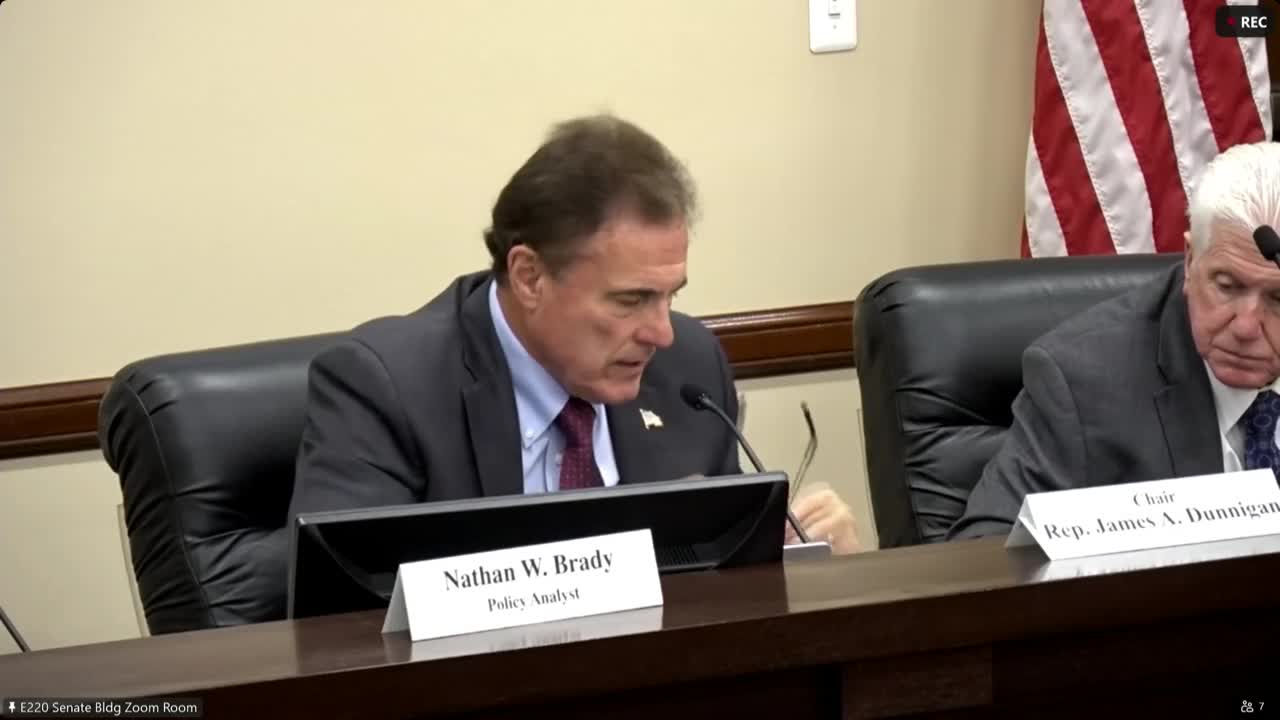
Jared Gibbs, staff economist with the Legislative Fiscal Analyst’s (LFA) office, reviewed changes from 2025’s SB 261 that require LFA to evaluate county TRT reports for compliance and forward findings to the state auditor, who may withhold future TRT disbursements for noncompliance. Gibbs said counties must file annual TRT reports by Oct. 1 for the prior year; the statewide on‑time reporting rate was about 83% for the latest cycle and three counties (Morgan, San Juan and Wayne) were missing reports entirely.
Gibbs told the committee LFA compared revenue reported by counties with disbursement data from the State Tax Commission and found numerous discrepancies; allowing for a two‑month reporting offset reconciled most differences, but four counties still had unexplained discrepancies after that adjustment. He listed the five statutory categories allowed for TRT spending (promotion, facilities, real estate, mitigation, debt service) and said promotion and facilities typically account for the largest shares, with more rural counties spending relatively more on mitigation.
Seth (transcript: "Ovison") from the State Auditor’s office said his team designed a uniform reporting form in coordination with counties, the Office of Tourism and LFA. He noted historical enforcement included sample audits but said the tax commission currently does not perform routine TRT return audits and there is no sustained auditing incentive; the post‑SB 261 enforcement tool of withholding funds provides a stronger compliance lever.
During public comment, Brandy Grace of the Association of Counties said funding had been appropriated for short‑term rental compliance and that the state tax commission contracted Granicus as a vendor; she urged follow up with nonreporting counties and offered UAC assistance to counties that lack staff capacity. Senator Ibsen and Representative Bennion raised concerns that platforms (Airbnb and others) often remit taxes in bulk on behalf of hosts, making it difficult to reconcile who paid and when, and that platforms’ timing of remittances could create de‑facto timing advantages.
What’s next: LFA and the State Auditor encouraged continued coordination with counties and requested feedback on additional reporting fields; lawmakers flagged platform remittance and audit capacity as potential policy follow‑ups.