
Supreme Court reviewing attorney licensing fees; committee files guidance resolution
Get AI-powered insights, summaries, and transcripts
Subscribe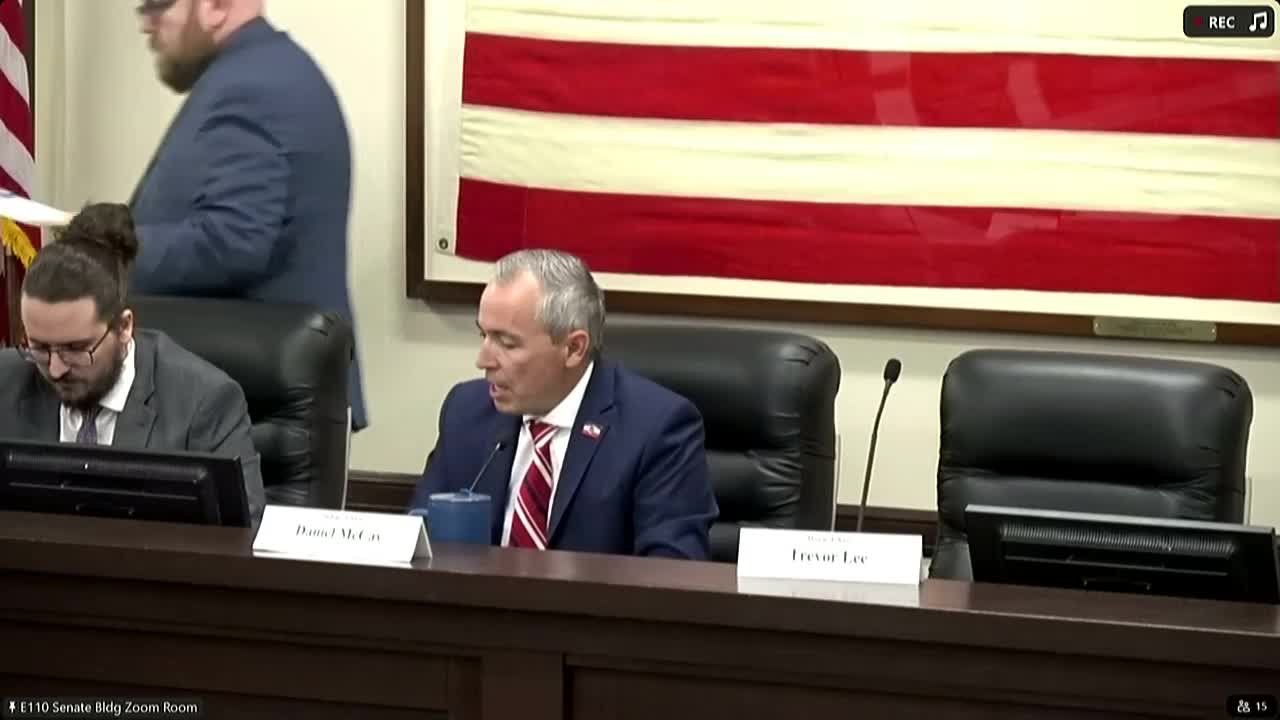
Summary
The legislature's Rules Review Committee heard that the Utah Supreme Court is reviewing attorney licensing fees and the uses of those funds; the committee opened a joint-resolution bill file to offer guidance and asked courts and the Utah State Bar for transparent fee-setting processes ahead of 2026 relicensing.
The Rules Review and General Government Oversight Committee received an update that the Utah Supreme Court is actively reviewing attorney licensing fees and how the funds are used.
"The Court is considering that information along with anything else that's relevant," Michael Drexel, assistant state court administrator, told the panel, adding that the Court expects to make a determination before attorneys must relicense in 2026. Drexel said the Court values the Utah State Bar's detailed fee breakdown and is factoring in legislative feedback.
Committee members pressed the group on constitutional lines between branches. Representative Thurston urged an ongoing, collaborative dialogue with the judiciary, and Senator Brammer and others said the committee's intent was to provide a clear, written recommendation rather than to preempt court rulemaking.
Chair Senator McKay said staff drafted a committee bill file (a proposed joint resolution) that would place redlined language in front of the Court to illustrate the legislature's preferences. The draft would clarify that the Supreme Court may impose a licensing fee and may allow a voluntary bar-collected fee for optional services; any fees must be reasonable and reflect direct and indirect costs per the draft language.
Lawmakers asked that any fee-setting process be transparent and follow standards similar to other state fee schedules, including public notice and opportunity for comment. Drexel told the committee the Judicial Council and the Supreme Court have different constitutional authorities and that any legislative guidance should be presented in writing to help the Court’s internal deliberations.
The committee did not adopt the draft as final legislation at the meeting but opened the bill file and signaled intent to continue dialogue with the Court, the Utah State Bar, and staff to ensure any fee-related rule or legislation is accompanied by transparent justifications and oversight.