
Parents urge cameras in self-contained special-education classrooms to document alleged abuse
Get AI-powered insights, summaries, and transcripts
Subscribe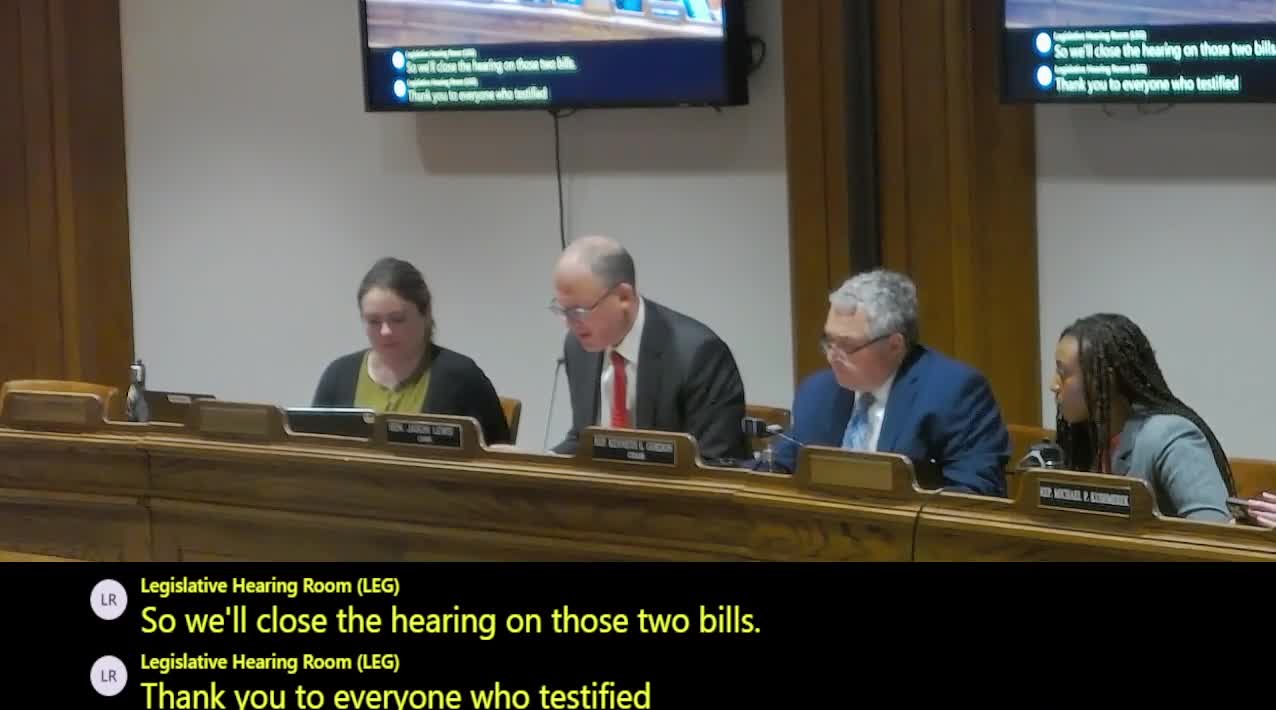
Summary
Petitioner Jennifer Baptista and parents testified in favor of S.365, a bill to allow video (and limited audio) recording in some self-contained special-education classrooms; supporters described past abuse cases and said the cameras would provide evidence when students cannot report incidents.
Petitioner Jennifer Baptista and multiple parents asked the committee to approve S.365, legislation that would permit video recording in certain self-contained special-education classrooms to protect nonverbal and otherwise vulnerable students.
Baptista described a case where her child was allegedly abused in kindergarten and said prosecutors advised installing cameras to prevent and document abuse. "Get cameras in special education classrooms," she told the committee, saying cameras have helped secure evidence in other settings such as vans and hallways.
Parents who testified argued that their children — in some cases minimally verbal or nonverbal — cannot reliably report abuse or defend themselves. "When a child cannot speak, the camera becomes their voice," Lauren Steadman said. Alessandra Godowsky said a camera would give her the peace of mind that neurotypical parents take for granted.
Supporters emphasized privacy protections in the bill draft and said the intent is protection, not ubiquitous surveillance. Committee members asked about pilot approaches and whether districts could already provide classroom-level cameras by parental request. Petitioners said few districts have done so and that a statewide policy would create a consistent standard and reduce reluctance to be the first district to adopt cameras.
The committee closed the hearing on S.365 and indicated it would review language, privacy safeguards and possible redrafts.