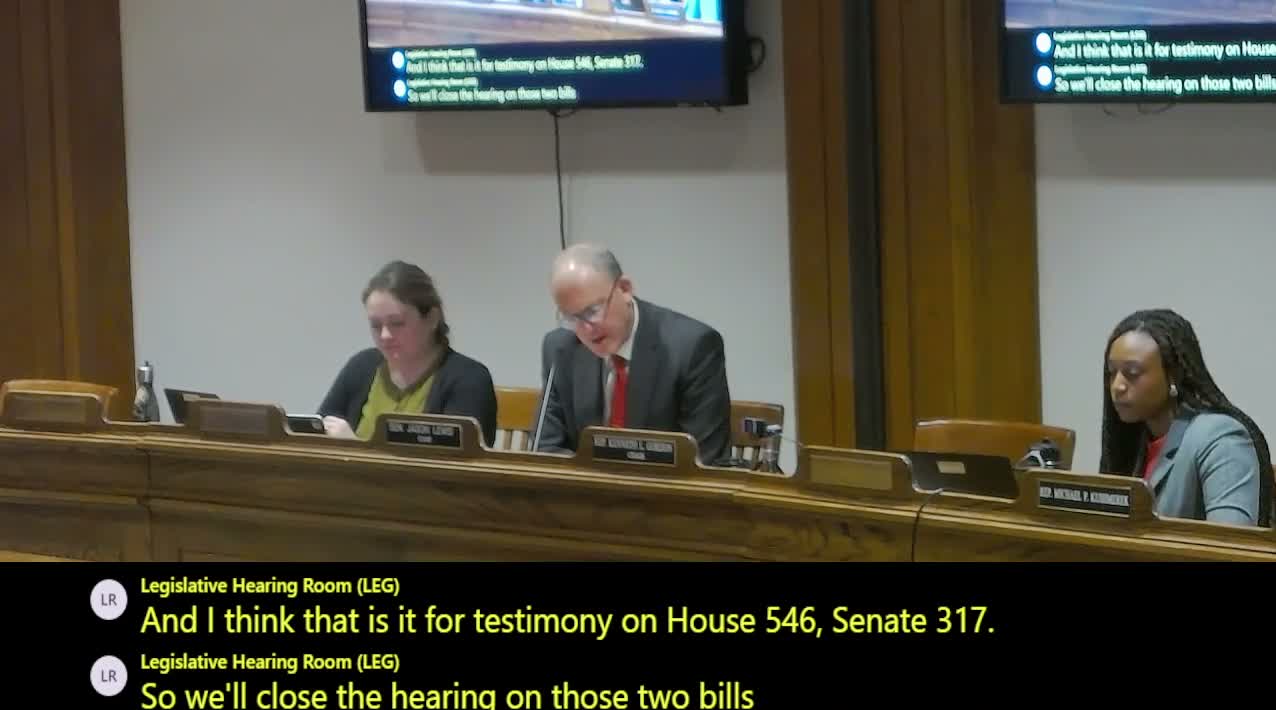
Educators and municipalities urge higher state reimbursement for rising special-education costs
Loading...
Summary
Witnesses, including the Massachusetts Teachers Association and district leaders, urged raising the circuit-breaker reimbursement and lowering thresholds so districts receive more state aid for high special-education costs; estimates cited a possible $208 million return to districts under 2024 numbers.
Lawmakers heard testimony supporting H.691 and S.430, bills that would raise the state’s circuit-breaker reimbursement rate for extraordinary special-education costs and lower the dollar threshold at which the reimbursement applies.
Senator Olivera, one of the bill sponsors, told the committee the proposal would move the reimbursement rate toward 90% for extraordinary costs and establish a commission to examine long-term funding sustainability. "Communities are at breaking points," he said, citing health-care and transportation costs and the growth of special-education expenditures relative to local revenue.
Max Page, president of the Massachusetts Teachers Association, said an analysis using 2024 numbers estimated that raising the reimbursement could return about $208,000,000 to districts statewide. Local educators described staff cuts, school closures and rising student needs; a superintendent from North Middlesex said the district had cut 30 full-time positions and faced an FY26 budget more than $2 million below level services.
Witnesses urged near-term changes to the circuit breaker as immediate relief while a broader commission examines long-term funding and delivery of special-education services. Committee members discussed threshold calculations and requested fiscal follow-ups to explain how proposed dollar amounts were chosen.