
Families, advocates push 'Turning 22' bills to shore up adult services for young adults with disabilities
Get AI-powered insights, summaries, and transcripts
Sign Up Free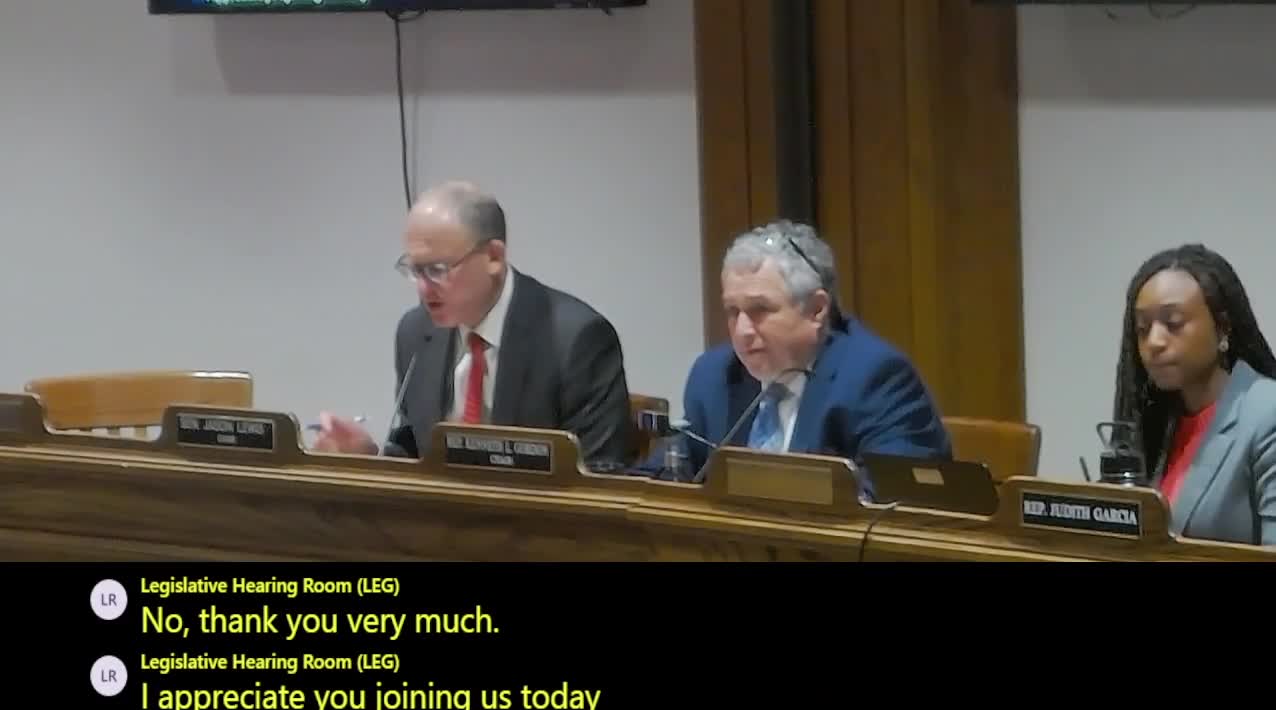
Summary
Witnesses and disability advocates told the Joint Committee on Education that current transition planning leaves many young adults without adult placements at age 22, urging H.752 / S.313 to require earlier planning, stronger data reporting and a statewide commission to coordinate services.
State lawmakers heard emotional testimony on H.752 and S.313, bills that would strengthen transition planning and increase accountability for young adults with disabilities as they move from school-based services into adult systems. Witnesses told the Joint Committee on Education that the current process frequently leaves young people without placements at age 22 and that families face last-minute crises.
Nora Vent, director of government affairs at The Arc of Massachusetts, said the state’s transition process “often fails families” and described cases in which an adult placement was confirmed only weeks before a student’s transition. Vent said Massachusetts must do a better job of planning so families — especially those with language barriers or limited resources — are not left scrambling.
Parents described the consequences in personal terms. “We testify today because our son Ben cannot,” a parent said, outlining his son’s experience of being moved to an adult medical facility with restricted community access after turning 22. The parent detailed extended stays in an evaluation and stabilization unit, alleged use of chemical restraint without parental consent, and a lack of appropriate programming that led to increased self-injury.
Self-advocate Jonathan Gardner, who turned 22 last November, described his own difficult transition: “I walked into months of confusion, meetings, and emotional stress that made me question whether the system believed in me at all,” he said, urging reforms that bring “clarity, accountability, and community.”
Supporters pressed the committee to require transitional plans a full year before a young person ages out of school-based services, expand the membership and data responsibilities of the transition advisory body, and create a commission charged with statewide planning for housing, staffing and placements. Advocates said better county-level reporting and a statewide plan would allow the legislature and state agencies to budget proactively for residential and staff needs.
The committee heard that many families rely on school-based services up to age 22 and that turning 22 can mean a sudden loss of services; advocates testified that improved coordination, earlier notification of needs and stronger data collection could reduce emergency placements and family trauma. Senator Comerford, a bill co-sponsor, asked the committee for favorable consideration and highlighted a 2024 estimate that roughly 1,500 young adults entered the transition — more than double a decade earlier.
The committee did not vote during the hearing; witnesses said they will submit written testimony and data to the committee.