UTA outlines fare contract programs, school passes and pricing approach
Summary
UTA presented a 22‑page fares contract report describing contract revenue (~$40M), education and institution pass programs (including the Salt Lake City School District partnership), pricing methodology tied to a $2.50 base fare, and case studies showing ridership gains from expanded school passes.
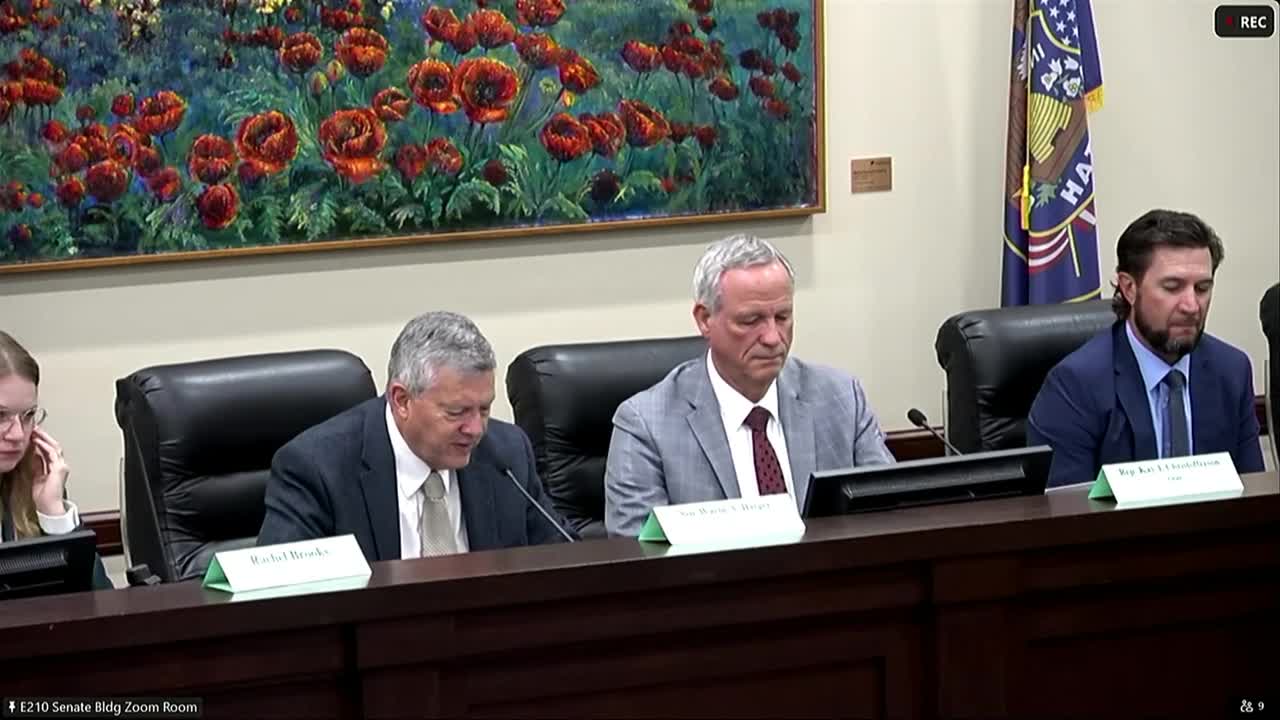
Jay Fox, executive director of the Utah Transit Authority, and Monica Howe, fares director, presented UTA’s fares contract program and a companion 22‑page report. UTA said contract fare programs (bulk purchases, educational passes, employer programs, human‑services passes, and event/bulk purchases) provide predictable revenue and have produced significant ridership benefits.
UTA highlighted the Salt Lake City School District partnership (where every student, faculty and staff member receives a pass), noting ridership increases and longer‑term transit use by students. UTA reported that total fare revenue is roughly $40 million and that fare contracts contribute to operational predictability. Pricing choices are driven by historical ridership, mode (regular vs. premium service), and a base fare assumption of $2.50; program discounts typically range from 40–60% for education programs depending on structure.
Committee members asked for contract-level ridership and price calculations for oversight and budgeting; UTA agreed to provide detailed ridership and contract pricing breakdowns to committee staff. UTA said it will begin a public process to consider a general fare rate increase (last changed in 2013).