Get email alerts on the Housing topic
No spam. Unsubscribe anytime.
Dolton committee advances resident-first plan to reclaim vacant homes, sends proposal to CAL for review
Summary
Dolton trustees discussed a resident-led program that would let applicants place a $10,000 escrow while the village pursues judicial deeds and tax abatements; speakers raised concerns about rehab costs, contractor vetting, and whether a rental moratorium or crime-free ordinance should be part of the final plan.
Dolton’s Housing Committee met to discuss a proposed resident-first program to return vacant and abandoned homes to the tax roll, outlining a process in which applicants place a $10,000 escrow while the village pursues a judicial deed, clears back taxes through the Cook County treasurer, and conveys the property to the applicant.
The committee chair said applicants would have 30 days after transfer to apply for permits, one year to bring the property up to code and secure a certificate of occupancy, and must live in the home for three years before having full latitude to sell or convert the property. "Once they receive the home, they have 30 days to apply for permits, begin work... and then there's progress steps along the way," a village official said during the discussion.
Why it matters: trustees and residents called the proposal a starting point to reduce blight and increase homeownership in Dolton while balancing legal and financial risk to both applicants and the village. The committee recommended moving the ordinance to the CAL meeting for additional review and legal vetting rather than adopting it immediately.
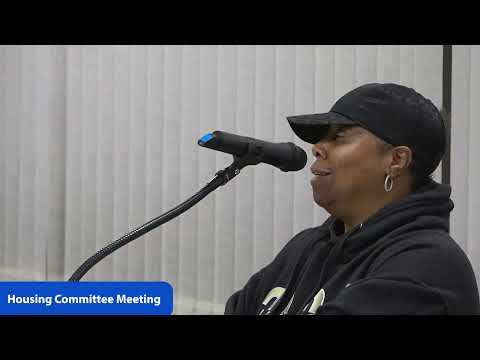
Residents and outside experts raised practical concerns. Thelma Price, a resident who asked for a village-maintained list of abandoned properties, said, "If this is a program for the village, why do we have to do that? Shouldn't you guys have a list of all the abandoned properties in the village?" The village responded that residents may report suspected vacant properties and staff will perform qualification checks to avoid chaotic first-come, first-served bidding.
Costs and escrow mechanics were a focal point. Village counsel and staff explained the escrow is meant to cover the legal costs of obtaining the judicial deed and abating taxes; any remainder becomes part of the purchaser’s closing price. Officials used an example: if the village spends $7,000 to secure a property from a $10,000 escrow, the closing purchase price would be $3,000. The chair also noted an administrative fee under discussion (approximately $4,500) to cover program management costs.
Concerns about rehabilitation and contractor oversight were prominent. Several residents and Stalene Hatter, interim executive director of the South Suburban Land Bank and Development Authority, warned that many abandoned homes need major structural work: "Some of them have foundation issues... electrical issues," Hatter said, arguing the village should assemble wraparound supports and vetted contractors to limit contractors who are unlicensed or unable to complete complex rehabs.
On rental policy and enforcement: community members urged stronger measures against absentee landlords. Robert Pearson, a former trustee and 40-year resident, called for a rental moratorium and full enforcement of a crime-free housing ordinance, saying the village is losing its homeowner base to investor-owned rentals. Trustees acknowledged those concerns but cautioned that other suburbs that enacted rental moratoria are facing litigation; the committee said it will monitor outcomes in Markham and South Holland before moving forward on any moratorium.
Limits and prioritization: the committee discussed limiting initial participation to one property per resident and starting with single-family houses. Multiunit or commercial properties were discussed as possible later phases with higher escrow requirements. Officials also said applicants who find foundational problems after acquisition can request extensions or, in some municipalities, have escrow applied toward an alternate property—decisions the board will finalize while drafting the ordinance.
Next steps: trustees recommended the proposal be sent to the CAL meeting for additional review and legal vetting; Mayor House and other leaders said the committee will continue vetting through November and could hold a vote in December if the board and staff resolve outstanding issues. No formal vote on the ordinance was taken at this meeting.
The committee adjourned after extended public comment and pledged continued outreach and refinement of the program before any final approval.