Operators say voluntary 'Latch the Hatch' program helped decouple production growth from emissions
November 21, 2025 | Uintah Basin Revitalization Fund Board, Boards and Commissions, Organizations, Utah Executive Branch, Utah
This article was created by AI summarizing key points discussed. AI makes mistakes, so for full details and context, please refer to the video of the full meeting. Please report any errors so we can fix them. Report an error »
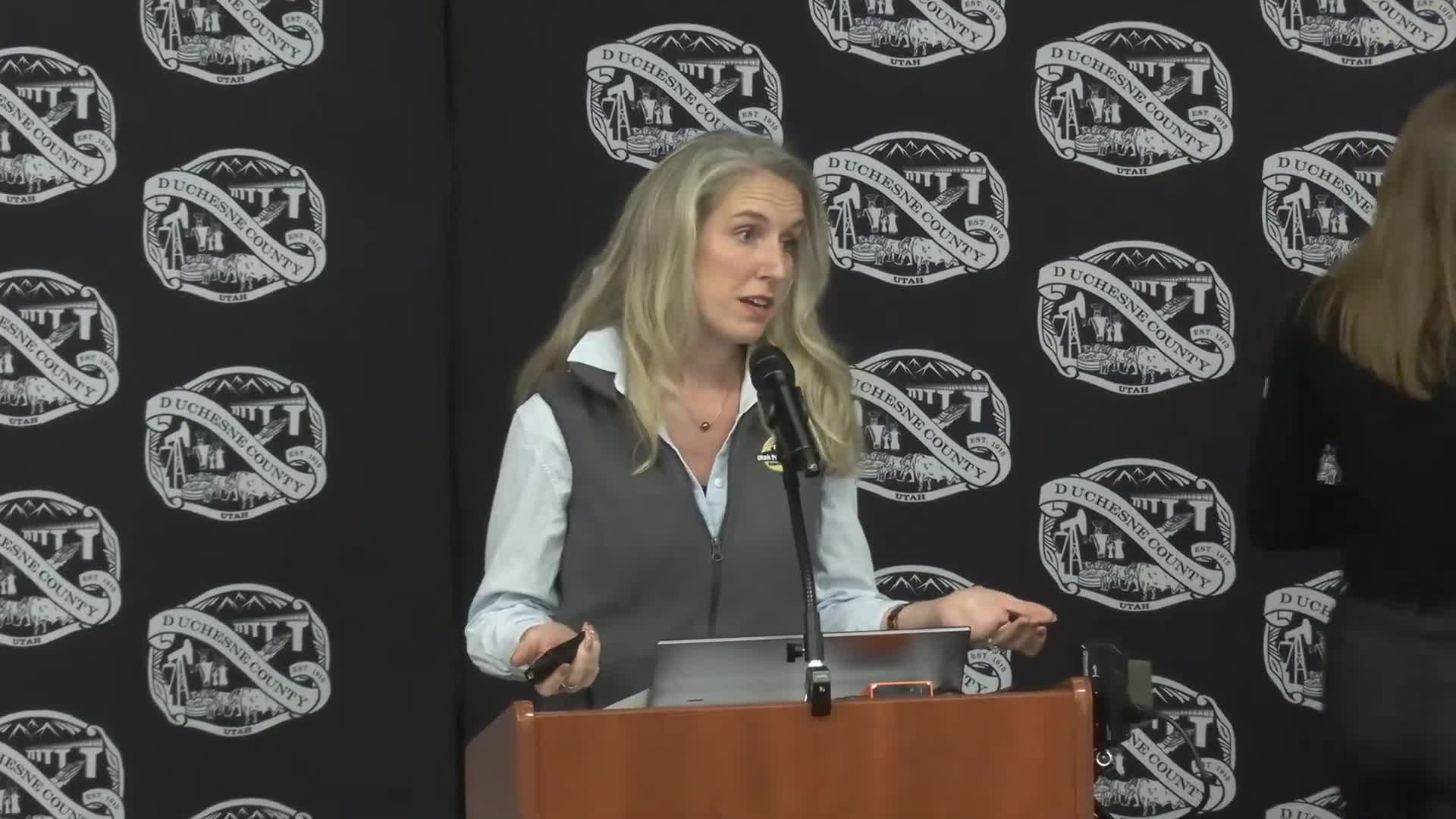
Panelists and operators described a mix of voluntary measures: gasket and spring replacement, installation of tank isolation valves and alarms, periodic flyovers and targeted optical gas-imaging (OGI) inspections, and coordinated hauler practices. Nate Adamson of Finley/Findlay detailed field maintenance procedures and inspection criteria, saying crews inspect for cracked, warped or stretched gaskets and replace worn springs; he described an internal average repair closure time of about 2.4 days and said OGI technicians closed roughly 41% of detected leaks.
Brad Rausser of 4 Point Resources discussed common operational mistakes that allow vapor losses, including hatches that are closed but not latched and misuse of tank isolation valves. He urged haulers and site crews to return isolation valves to their correct positions after loading and noted pressure-monitoring alarms help diagnose problems remotely.
Kristen Van Heese of SM Energy described recent aerial methane surveys conducted with Bridger Photonics’ laser-based methane-quantification flights. Van Heese said SM flew 145 facilities in two days and that 68% of facilities showed no detections; of 857 tanks surveyed, the company observed zero open thief hatches and only one persistent thief-hatch leak. She said the flyovers help prioritize ground crews by distinguishing intermittent, short-duration events (for example, hatch openings during loading) from persistent leaks that require repair.
DEQ and university speakers said the data are already affecting emissions accounting: Sheila Vance of the Department of Air Quality noted the agency’s inventory modeling input for tank-control failure rates fell from roughly 30% in the 2017 inventory to about 14% in the 2023 inventory, reflecting a measurable decline in uncontrolled tank emissions.
Panelists and regulators said the program remains voluntary but that the industry is sharing more data than earlier years and urged continued collaboration. The panel recommended operators join the Uinta Basin ozone alert system, continue flyover and OGI programs, and use remote tank-pressure monitoring and tagging systems to prioritize repairs.
View the Full Meeting & All Its Details
This article offers just a summary. Unlock complete video, transcripts, and insights as a Founder Member.
30-day money-back guarantee
Sponsors
Proudly supported by sponsors who keep Utah articles free in 2025

Excel Chiropractic

