Get Full Government Meeting Transcripts, Videos, & Alerts Forever!
Missoula educator uses macroinvertebrates to teach watershed health to fifth graders
Summary
At a Bugs and Brews lecture in Missoula, Dalit Gucio described Ripple's hands-on program that teaches fifth graders to collect and analyze aquatic macroinvertebrates as a proxy for watershed health, including a 12-hour in-school curriculum, field trips and a biotic-index exercise with demonstrated knowledge retention.
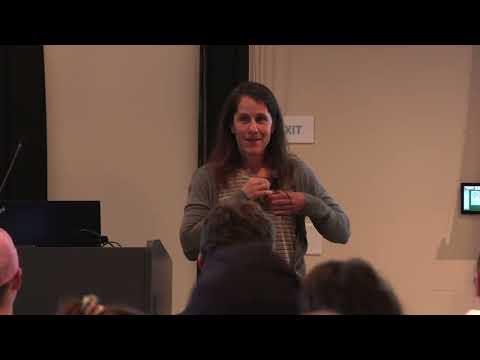
Dalit Gucio, a program manager with Ripple (formerly the Clark Fork Watershed Education Program), told an audience at the Azulobar Gliocin Insectarium that her organization uses aquatic macroinvertebrates to teach watershed science to elementary students in Missoula.
Gucio said the in-school program for fifth graders runs about 12 hours — five 60-minute classroom sessions plus a full field trip — and is place-based, so lessons focus on local waterways. "Aquatic macroinvertebrates are big enough to see with your naked eye, animal without a backbone, that live at least part of their time in water," she said, explaining that student teams collect and sort specimens at an aquatic macroinvertebrate station and…
Already have an account? Log in
Subscribe to keep reading
Unlock the rest of this article — and every article on Citizen Portal.
- Unlimited articles
- AI-powered breakdowns of topics, speakers, decisions, and budgets
- Instant alerts when your location has a new meeting
- Follow topics and more locations
- 1,000 AI Insights / month, plus AI Chat