Work group says independent probe under way; members press select board for public report
Loading...
Summary
The African Meeting House Investigative Procurement Work Group told a public Zoom meeting the independent investigator selected by the Nantucket select board has begun collecting documents and aims to finish within the RFP’s 12-month window; members urged the select board to make the final report 'as public as legally possible.'
The African Meeting House Investigative Procurement Work Group met by Zoom to review its mandate and the status of an independent investigation into an alleged hate crime at the African Meeting House in Nantucket. The chair said the group’s role, appointed by the select board under Article 36 of town meeting, was to find an outside investigator; the select board awarded a contract to the firm LCG in August and the contract was signed in October.
Town counsel (name not specified) told the group that the investigator has formally requested a large set of town records and that the town’s records access officer, Maureen, will be the primary point of contact for those requests. “Maureen is going to be the point of contact for the investigator,” the town counsel said, adding staff are working to make documents available and that some material may need redaction to protect privacy rights. The town counsel also said a previous appeal to the state’s supervisor of public records had upheld certain redactions to a police report.
The town appropriated $60,000 from free cash at town meeting to pay for the investigation, the counsel said. The RFP specifies a 12-month contract running from Oct. 25 to Sept. 2026; counsel said the town expects the investigator to complete the work within that timeframe "barring anything unforeseen." The principal scope, the counsel said, is whether the original police investigation complied with department policies.
Work group members raised questions about the RFP language. Several members noted section 3.5 stated the consultant "will work closely with the work group" and provide regular updates, while the select board’s later vote narrowed the work group’s role to answering limited questions from the consultant. The chair and counsel clarified that where the select board’s direction and RFP wording conflict, the select board’s official action governs.
Members and public participants pressed for transparency about how the investigator’s report will be handled. "The report, if it's legally possible, will be public. Period," the chair said during the meeting. Rocky, a member who participated by chat, expressed concern that an executive-session presentation to the select board would fuel public distrust: "If the select board decided to host an executive session, all the people who are asking me every week are gonna say the same old thing that it was covered up." Town counsel responded that an executive session, if legally warranted for limited redactions or privacy protections, would not necessarily prevent later public release of the report and that the select board—advised by counsel—would decide whether the presentation should be open or in executive session.
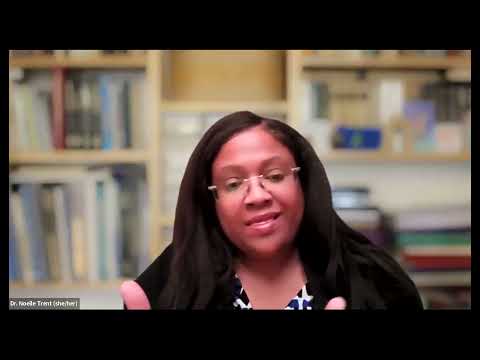
Dr. Trent, who identified herself as the legal representative of the Museum of African American History (the African Meeting House), urged the select board "to make this report as public as legally possible," while acknowledging that any legally required redactions to protect civil rights or privacy should be made. “I am assured…that the investigators can conduct a truly impartial investigation,” she said, noting the investigators can contact state and federal partners directly if necessary.
The chair said he will act as a liaison to the primary investigator, convene the work group again if the investigator requests to ask the committee questions, and monitor for roadblocks to the investigation. The group adjourned after a motion by Dr. Trent and a second; the chair said he will keep members informed of any developments.
What happens next: the investigator will continue document collection and analysis; depending on findings and legal advice, the select board will determine whether the investigator’s report is presented in executive session or at an open meeting and whether any redactions are necessary. The investigator’s contract covers Oct. 25 to Sept. 2026, and town counsel said the town expects the contractor to meet that schedule "barring anything unforeseen."