
Corona rolls out traffic sensors and a real-time permission center using drones for 911 response
Get AI-powered insights, summaries, and transcripts
Subscribe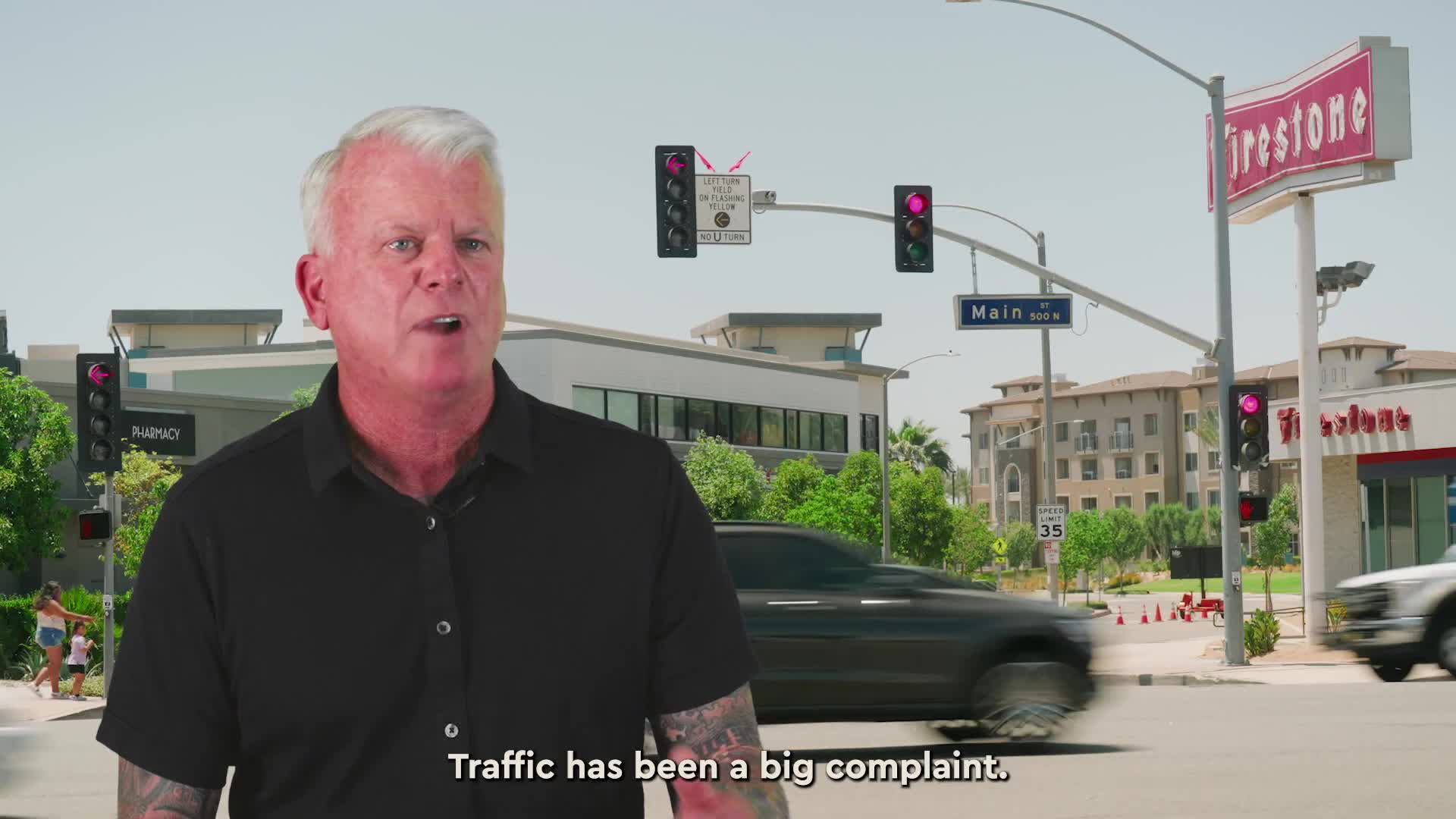
Summary
City presenters said Corona is deploying advanced vehicle/pedestrian detection sensors to improve signal timing and launching a 'real time permission center' to monitor 911 calls and deploy drones to assist officers and fire personnel.
City officials described two technology-driven public-safety and mobility efforts: an advanced detection rollout for traffic signal management and a real-time information hub that uses drones to support emergency response.
Speaker 19 said the city is deploying advanced detection sensors for vehicles, pedestrians and bicycles to help actuate intersections and improve corridor progression so drivers can get through "not just 1 green light, but several green lights" more consistently. The stated goal is smoother, safer, more efficient travel along major corridors.
Separately, Speaker 4 described a "real time permission center," a technology hub for police that staff with Speaker 11 said will monitor incoming 911 calls and, when appropriate, launch the closest drone to gather on-scene information for responding officers or fire crews. Speaker 4 said the center "is making the community safer because we're able to find cars faster or people faster in cameras." Speaker 11 added the center provides information to any responding city entity that needs it.
Officials framed both initiatives as operational improvements; the update did not specify procurement contracts, vendors, privacy policies, community oversight measures, or launch schedules. City presenters said the technologies are intended to reduce response times and improve traffic flow, but provided no quantitative, independently verified performance measures during the briefing.