
Council approves mid‑biennial budget changes and temporary utility tax increases amid staffing concerns
Get AI-powered insights, summaries, and transcripts
Subscribe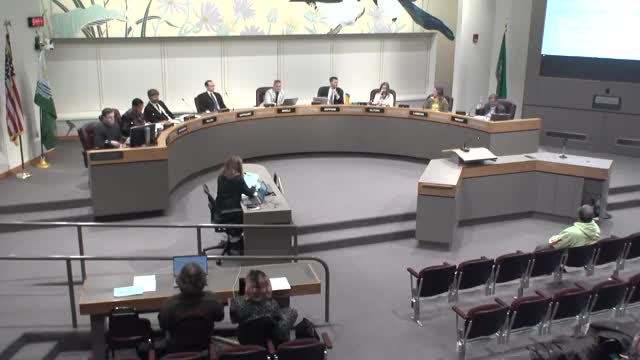
Summary
The council adopted multiple mid‑biennial budget changes and temporary utility/rate ordinances to close shortfalls, prompting public comment urging staff preservation and debate among council members about revenue increases and process. Several utility/rate ordinances were adopted as a package on the record 5–2.
Spokane City Council considered a mid‑biennial modification to the 2026 budget, debated several revenue options and approved a package of modifications intended to close a projected shortfall, including a temporary utility tax increase and rate changes for water, sewer and solid waste. On the record votes for the grouped utility and rate ordinances were documented as passing with a 5–2 tally.
During the budget hearing, multiple public speakers urged the council to prioritize staff retention, transparency and alternatives to regressive taxes. Hayden Hensley, a mental‑health clinician, recommended adopting the council proposal that preserved staff rather than deeper cuts and criticized perceived prioritization of police funding, saying the community "is watching how this is being done and are appalled with the cruelty and cowardice of the council members towards city staff." Hadley Morrow and Rebecca Stufe said late changes to amendment language complicated meaningful public review and asked for more time for community input.
Council debate reflected sharp divisions about revenue increases, use of one‑time dollars, longer‑term forecasting and structural deficits. Council member Cathcart outlined concerns about reliance on short‑term fixes and insufficient use of six‑year forecasting; other members defended the compromise package as necessary bridge funding for libraries, infrastructure and public‑facing services.
The council adopted the mid‑biennial budget ordinance (c36 7 94) as part of the evening's actions and recorded votes on several linked utility and rate ordinances (temporary franchise/utility tax extension and 0.5 percent increases on select utility rates) as described in the meeting record. The council also discussed a state Supreme Court directive on public defender staffing, prompting agreement among members that staffing and caseloads must be examined.
What happens next: administration and finance staff will implement rate changes and the temporary utility tax; council asked for continued reporting and forecasting to track the budget’s structural gap and implementation impacts.