
Health Department and commissioners revise temporary food‑service fees; officials also brief annual public‑health highlights
Get AI-powered insights, summaries, and transcripts
Subscribe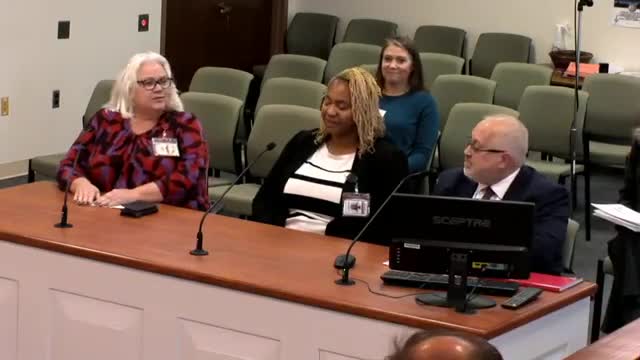
Summary
The board approved a revised temporary/on‑farm food permit fee schedule intended to ease recurring administrative burdens on frequent vendors. The Health Department also presented its annual report, highlighting tobacco‑sales compliance increases, naloxone distribution, expanded mobile clinic services and new rural census tract designations.
Carroll County's Health Department told commissioners Nov. 20 it had revised the fee and permit schedule for temporary and on‑farm food service licenses to reduce repeated paperwork for vendors who operate recurring events at the same location (farm stands, farmers markets and similar setups).
Under the approved structure, vendors operating at a single location for repeated setups within a 30‑day period would pay a single permit fee rather than multiple one‑day permits; the department proposed a two‑tier structure (short runs under seven days at the existing $50 fee, and extended 8–30 day single permits at a reduced rate compared with multiple one‑day fees). Health staff said the change reduces administrative burden for vendors while preserving inspection authority and public‑health protections.
Health leaders also introduced a new deputy health officer and presented an annual report that highlighted increases in tobacco‑sales compliance checks, expanding naloxone distribution through public access boxes, growing breast and cervical screening outreach for uninsured and under‑insured women, and expanded Health on Wheels mobile clinic activity. The department noted newly designated federally rural census tracts that could broaden eligibility for federal rural health grants.
Commissioners asked staff to continue outreach to the farm and vendor community and to pursue legislative adjustments if state statute impedes longer seasonal permits; the department agreed to return with refinements as needed.