Get Full Government Meeting Transcripts, Videos, & Alerts Forever!
Get email alerts on the Mooring Field Operations topic
No spam. Unsubscribe anytime.
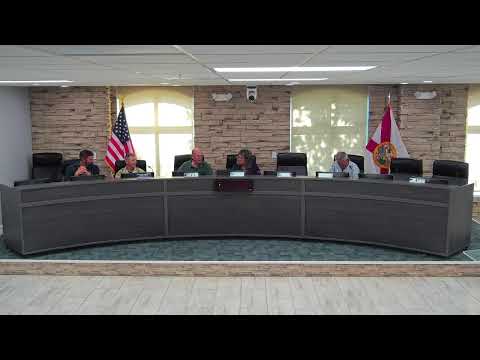
Anchorage Advisory Committee urges education, better tracking as mooring-field use rises
Summary
The Anchorage Advisory Committee heard a staff update showing increased anchorage use and two sunken vessels in removal, and it pressed for rental-operator education and more predictable enforcement of slow-speed and no-wake rules. Members emphasized outreach to rental companies and public education rather than primarily punitive measures.
The Anchorage Advisory Committee on Nov. 24 took up a series of operational concerns for the town’s mooring field and back-bay waters, as staff reported a rise in anchored vessels and planned steps to reduce safety and environmental risks.
Curtis Ludwig, harbor staff, told the committee that "as of right now, we have, roughly 10 boats in the front in the front anchorage" and "12 to 13 boats in the back in the back anchorage," and that two sunken vessels are currently "tagged by LCSO and FWC" and in the vessel-removal process. He and other members flagged increased demand for pump-outs and a shift of about six vessels from mooring balls into anchorage this season.
The committee pressed for clearer enforcement of posted speed rules. Members noted confusion between "no wake" and "slow speed" designations; Curtis said the distinction had been reviewed with the Florida Fish and Wildlife Conservation Commission, the U.S. Coast Guard and Lee County Sheriff’s Office and that signage is posted. Committee member John Wesley Nash asked whether enforcement is random; Curtis said LCSO conducts scheduled patrols but is sometimes short-staffed.
Rather than focus solely on ticketing, members pushed an education-first approach targeted at rental companies and short-term-rental operators. The committee agreed to hold a January 16 roundtable with rental operators so companies can educate renters on local slow-speed/no-wake rules; Sam Lurie suggested rental companies monitor boat trackers and contact renters who repeatedly violate zones.
A member raised a concern that some long-term vessels might be discharging without pump-outs. Curtis said pump-outs are tracked ("we keep a very, sharp eye on that") and asked that any specific complaints be sent to staff so they can investigate and, if warranted, involve the Coast Guard, FWC or LCSO.
The committee voted to forward their revised roles and responsibilities to council (see separate motion) and asked staff to continue outreach and to provide enforcement and pump-out data at the next meeting. The committee also agreed to follow up on dredging and canal-survey items during future meetings.
What’s next: staff will convene the January 16 outreach meeting with rental companies and report back to the committee on enforcement schedules, pump-out records and any follow-up investigations.