Boston council hearing explores municipal grocery stores, support for nonprofit grocers amid SNAP changes
Loading...
Summary
Boston councilors and city staff heard evidence and community testimony on Nov. 20 about municipal grocery models and other steps to address food insecurity, with officials urging further study, coordinated planning and sustained funding for nonprofits and neighborhood solutions.
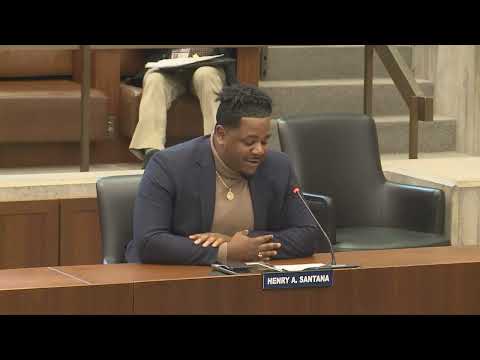
Boston City Councilors convened a committee hearing Nov. 20 (docket 1791) to examine whether publicly owned grocery stores could help address food insecurity and how the city can support nonprofit and community‑led food outlets. Chair Enrique Pepin opened the session and sponsors Councilor Liz Braden and others framed the discussion around recent federal SNAP changes and long‑running local needs.
The Office of Food Justice presented data tracking the affordability crisis: grocery prices nationally are “25% higher … than they were in 2021 and more than 35% higher now than they were in 2019,” Director Aliza Wasserman told the committee, and noted that recent analysis found roughly half of Boston SNAP recipients and SNAP sales cluster in six ZIP codes concentrated in Roxbury, Dorchester, Mattapan and Hyde Park. Wasserman described city investments including the Greater Boston Food Access Hub (cold storage in Roxbury), grants to 12 community organizations, and the Double Up Food Bucks program that has provided nearly $1,000,000 in benefits and levered additional SNAP purchases for fresh produce.
Councilors pressed staff on models and feasibility. Several members asked whether the city could replicate studies done by other cities, and whether zoning and procurement reforms could make grocery development more viable. City staff said feasibility work and regional collaboration would be required to influence upstream supply‑chain consolidation and that the planning department is preparing a grocery access map. UFCW representatives urged attention to labor, logistics and theft reduction (for example, fewer self‑checkout lanes) in any new model.
Panelists and witnesses recommended a range of approaches instead of a single solution. Community leaders and operators emphasized that nonprofit and cooperative grocers face long lead times and thin margins: “On average 8 to 10 years for a grocery store to even break even,” the Office of Food Justice said. Dorchester Food Co‑op leaders described sustaining their store through membership, grants and donations and called for stronger local partnerships and promotion to increase shopper participation.
The hearing produced no vote. Councilors and staff agreed to follow up with additional data (including specific ZIP‑code breakdowns and feasibility study examples), to coordinate across planning, economic inclusion and food access offices, and to continue hearings. Chair Pepin adjourned the committee after public testimony and closing remarks.
The committee said next steps include staff follow‑ups on feasibility research, planning department grocery‑access mapping, and continued outreach to community grocers and labor to flesh out potential municipal, municipal‑private hybrid, and nonprofit support models.