Volunteer group LASER outlines large-animal sheltering and readiness amid wildfire risk
Loading...
Summary
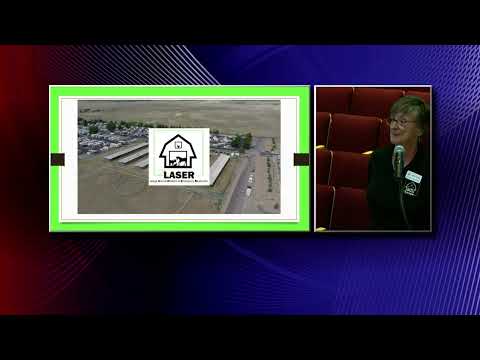
LASER, a Yavapai County 501(c)(3), told Prescott Valley council it stands ready to shelter barn animals during wildfires at a county-provided site in Prescott Valley (190 covered stalls) and a backup at Chino Valley, and that it has been activated 12 times since 2019.
Kathy, a representative of LASER (Large Animal Shelter Emergency Readiness), told the council that wildfire is the most significant threat in Yavapai County and described LASER’s role in evacuations and animal sheltering.
LASER grew out of the 2017 Goodwin Fire, when more than 7,000 people were evacuated and over 200 barn animals needed shelter, Kathy said. "We have been activated actually 12 times now by the county and on standby another 12," she said, noting all activations to date were for wildfire.
Kathy described LASER as a 501(c)(3) nonprofit that operates a county-provided shelter site in Prescott Valley off Highway 89A with 190 covered stalls and a backup facility at the Chino Valley Equestrian Park. Through an MOU with the county, LASER operates the Prescott Valley site during activations; the group has raised nearly $40,000 to outfit an on-site shed that is stocked and ready to deploy.
On operations, Kathy said LASER connects with the county emergency operations center to receive immediate notice of events threatening life or property, notifies volunteers, and can have a quick-response team set up the shelter in about an hour. "At the direction of the county, we open the gates," she said. LASER staffs the shelter 24 hours a day during an activation; volunteers complete a county background check and training and recertify annually.
Intake procedures include a hold-harmless agreement and medical authorization, and shelter managers keep activity logs and brief incoming shifts. Kathy said the organization follows a chain of contact for veterinary needs—first the owner, then the owner's veterinarian, and if neither can be reached, Prescott Animal Hospital, which is listed as on-call.
In council questions, a member asked what LASER does if an owner is incapacitated and unable to retrieve animals within the 24-hour pickup window. Kathy said LASER collects a backup contact and will try to reach that person, and can arrange temporary housing with the Yavapai Humane Society’s equine division if necessary.
Council members thanked LASER for its organization and volunteer base; the presentation included a short video and a note that LASER has about 65 trained volunteers on its roster.
The presentation did not request formal council action; it served to inform the council about the LASER program, its facilities and operational procedures.