
Lawmakers press State Department over canceled early-warning and peacebuilding programs after deadly attacks in Nigeria
Get AI-powered insights, summaries, and transcripts
Subscribe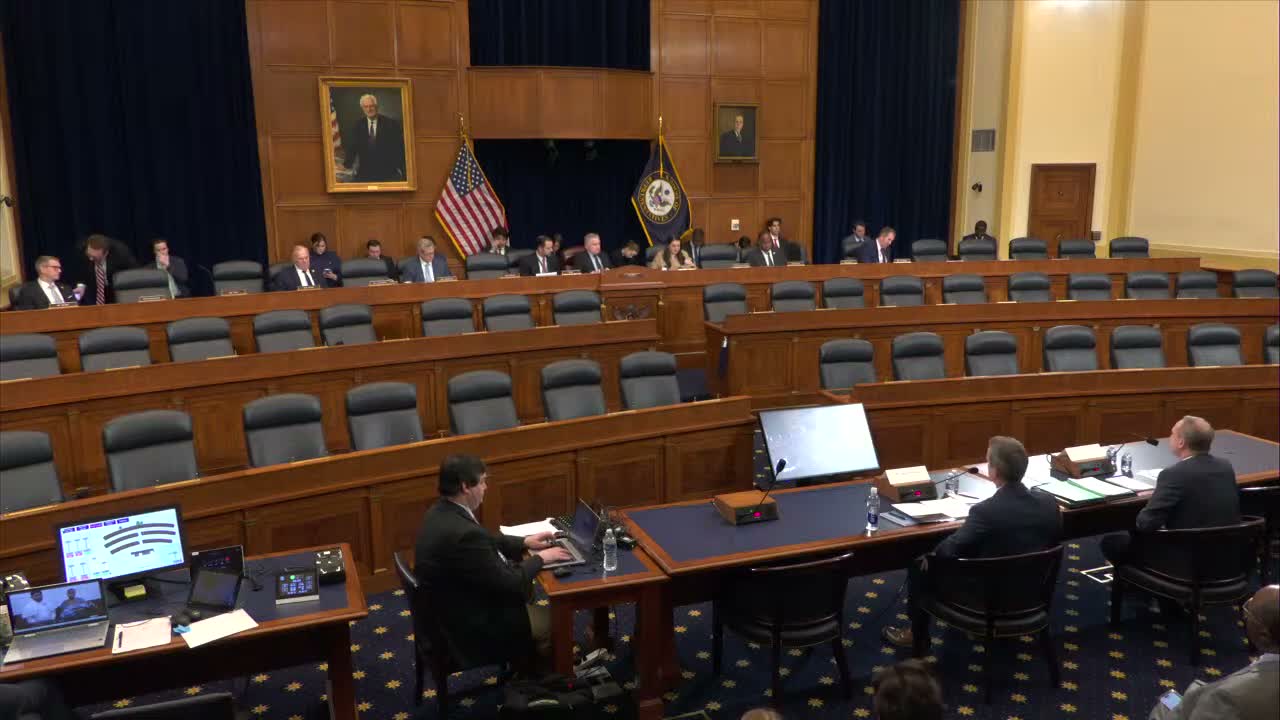
Summary
Members of the House Foreign Affairs subcommittee questioned whether the State Department and USAID cut or reprioritized programs that had reduced violence in Nigeria's Bridal Belt and demanded information on which initiatives remain funded; officials said reviews are ongoing.
During the Nov. 20 hearing, multiple members pressed State Department officials about the status of U.S.-funded peacebuilding and early-warning programs in Nigeria, saying some local interventions had demonstrably reduced violence before being discontinued.
Ranking Member Jacobs asked specifically about a DevEx story and a Search for Common Ground program that she said prevented violent incidents in a targeted region; she cited study results showing communities that received negotiation training reported lower violence ("only 10 percent" vs "41 percent" in a control group). Jacobs asked Jake McGee whether the department would recommend restarting such programs. McGee said the department retains "early warning, early response" programming that includes interfaith dialogue and that the administration is reviewing tools and funds across bureaus to ensure they are effective.
Members also raised the formal IRF report, which is statutorily required to be published annually. McGee said the department was working on that report "and will release it soon," but members urged a specific timetable and a detailed inventory of which activities were canceled, which continue and which might be restored.
Several lawmakers, including Rep. McCormick and Rep. Jackson, argued that cuts to USAID and related programs have reduced the United States' nonmilitary tools to deter violence and urged funding be preserved or targeted to local peacebuilding organizations. State Department witnesses said they were reviewing assistance to prioritize measures that save lives and that some programming continues as locally owned efforts.
The committee asked for written follow-up on program status, a list of active projects in the Bridal Belt and timelines for the IRF report and related action-plan deliverables.