Get Full Government Meeting Transcripts, Videos, & Alerts Forever!
Get email alerts on the Utilities Rates topic
No spam. Unsubscribe anytime.
West Sacramento adopts process to allow public objections ahead of proposed utility-rate increases
Summary
Council reviewed and approved a staff plan to implement state-required 'exhaustion procedures' that give property owners and ratepayers a formal window to submit written objections to proposed water and sewer fee increases before litigation is permitted; staff said the council will consider proposed rates Dec. 3 with the Prop. 218 process to follow in spring.
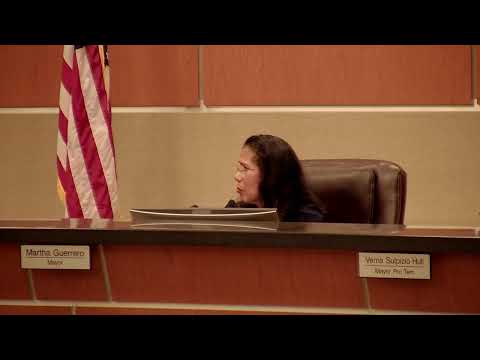
City staff on Nov. 19 presented a new procedural step to accompany any upcoming proposed water or sewer rate increases: an 'exhaustion procedures' process that gives property owners and ratepayers a formal opportunity to review proposed fees and submit written objections before litigation is allowed.
Staff explained the process is a state requirement (referred to during the meeting as AB 2257 or similarly numbered AB language in the 2024–2025 timeframe) that differs from the Prop. 218 protest process; exhaustion procedures allow written objections and a staff response period so residents can raise specific technical or legal concerns before the council adopts rates. Staff said the council will review proposed rates on Dec. 3; Prop. 218 notices and a formal protest/hearing sequence would follow, with the exhaustion-objection window running concurrently and providing at least 45 days for written objections.
Why it matters: staff and legal counsel said the exhaustion process is meant to reduce avoidable litigation and improve transparency by letting residents surface detailed objections early. The difference from Prop. 218 is procedural: Prop. 218 lets ratepayers protest a given rate increase (possibly blocking adoption by majority protest), while exhaustion procedures create a structured opportunity to submit and receive responses to objections before a lawsuit challenging rates can proceed.
Council Q&A: Councilmembers asked how the exhaustion steps interact with council votes and with the Prop. 218 timeline. Staff said the council would first set a proposed ceiling rate (Dec. 3), distribute the Prop. 218 newsletter and open the Prop. 218 and exhaustion comment windows, and then hold the required hearings in mid-March where rates can be adopted up to the published ceiling.
Next steps: staff will return with the proposed rates on Dec. 3 and will run the exhaustion procedures alongside the Prop. 218 timeline to allow at least 45 days for written objections and staff responses before final action.