Get Full Government Meeting Transcripts, Videos, & Alerts Forever!
Get email alerts on the Code Enforcement topic
No spam. Unsubscribe anytime.
Residents press Neptune Beach for clearer code enforcement on RVs, boats; staff cites capacity and legal limits
Summary
Residents urged proactive enforcement of RV, boat and trailer parking; staff said the city reverted to a complaint-driven model after earlier proactive enforcement prompted community backlash, noting limited staff capacity and magistrate procedures required for fines.
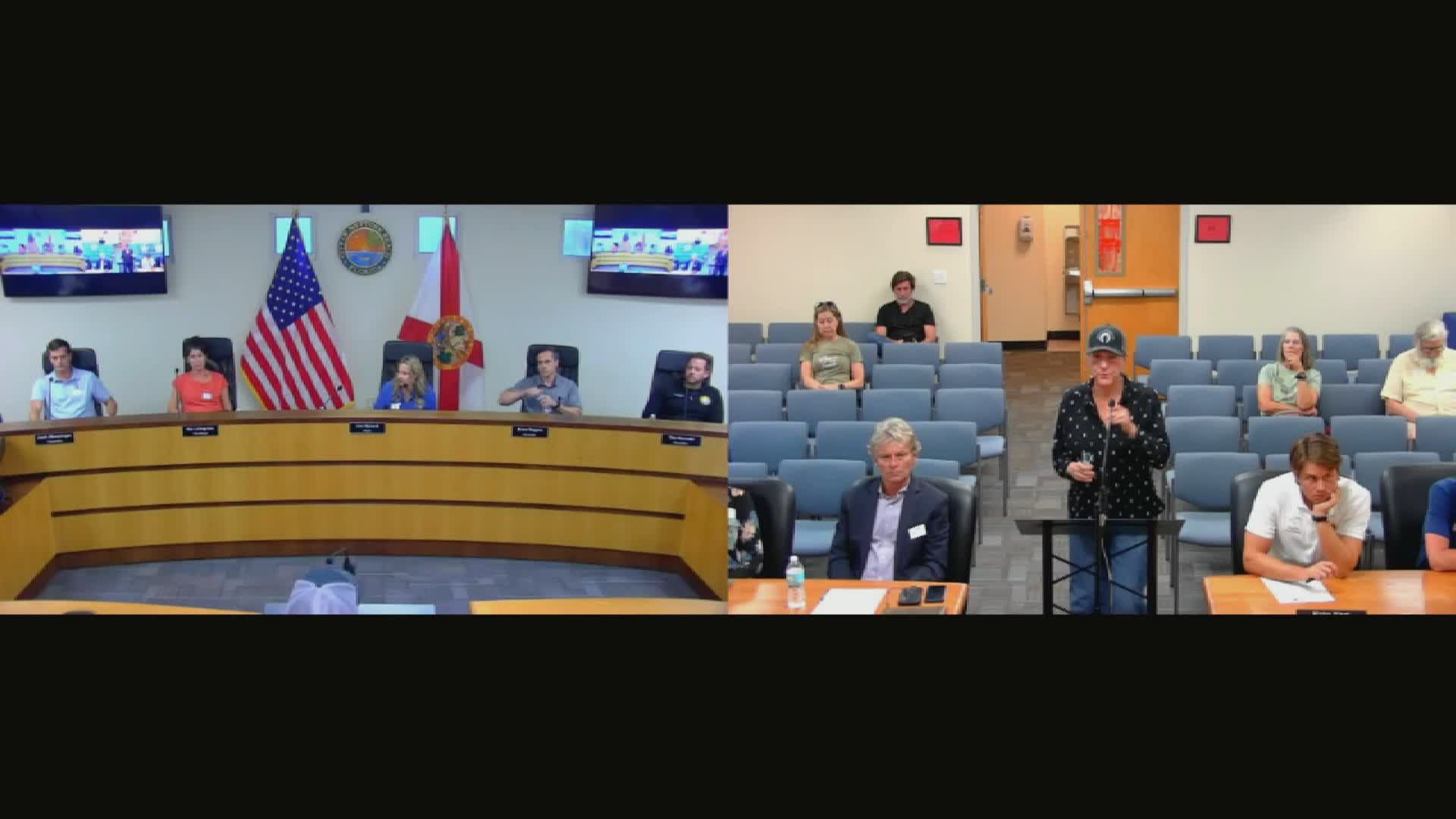
Residents at a workshop and town-hall session urged Neptune Beach leaders to enforce land-development and nuisance codes for trailers, recreational vehicles and boats parked in front yards.
Multiple speakers described a rise in visible RVs and boats on residential lots and urged a return to active enforcement. Staff member Ms. Whitmore told the council the city is currently complaint-driven for non–life-safety matters: "For things that are not related to public health safety and welfare ... we have been complaint driven," she said, explaining that earlier proactive enforcement generated roughly 40 violations and strong public backlash, and staff closed proactive cases when council did not give a directive to continue.
Staff and councilors discussed the limits the city faces: code complaints must come from a named individual with address and phone number under state statute, fines require progression through the special magistrate process and staff capacity is limited (the code team was described as four people doing multiple functions). Whitmore said the city has not pursued fines at staff level and that, so far, most complaint-driven cases have moved to compliance before magistrate fines were necessary.
Several council members urged a phased, "soft-touch" approach if the city returns to proactive enforcement: public notice, a warning period, an escalation to fines and targeted enforcement in denser neighborhoods east and west of 3rd Street where issues are most acute. One councilor recommended regular, limited canvassing and advance notice before fines begin.
Councilors and staff also suggested using existing channels to help residents file complaints (for example, routing reports through a council member when residents are reluctant to put their names on the record), and discussed partnering with police for observations during regular patrols. Staff emphasized the trade-offs in staffing and in attention to unsafe structures and other public-safety priorities.
What happens next: council members asked staff to return with options for public outreach, a phased enforcement schedule and resource implications for reintroducing proactive enforcement.