Get Full Government Meeting Transcripts, Videos, & Alerts Forever!
Get email alerts on the Cco Transition Lane County topic
No spam. Unsubscribe anytime.
Trillium will take over Lane County Medicaid membership Feb. 1 after PacificSource exit; OHA lays out extension, outreach and monitoring plan
Summary
OHA announced PacificSource will extend its contract to Jan. 31, 2026, and Trillium Community Health Plan will begin serving all Lane County OHP members on Feb. 1; OHA and Trillium detailed member notifications, listening sessions, hiring and network expansion to minimize disruption for about 90,000 members.
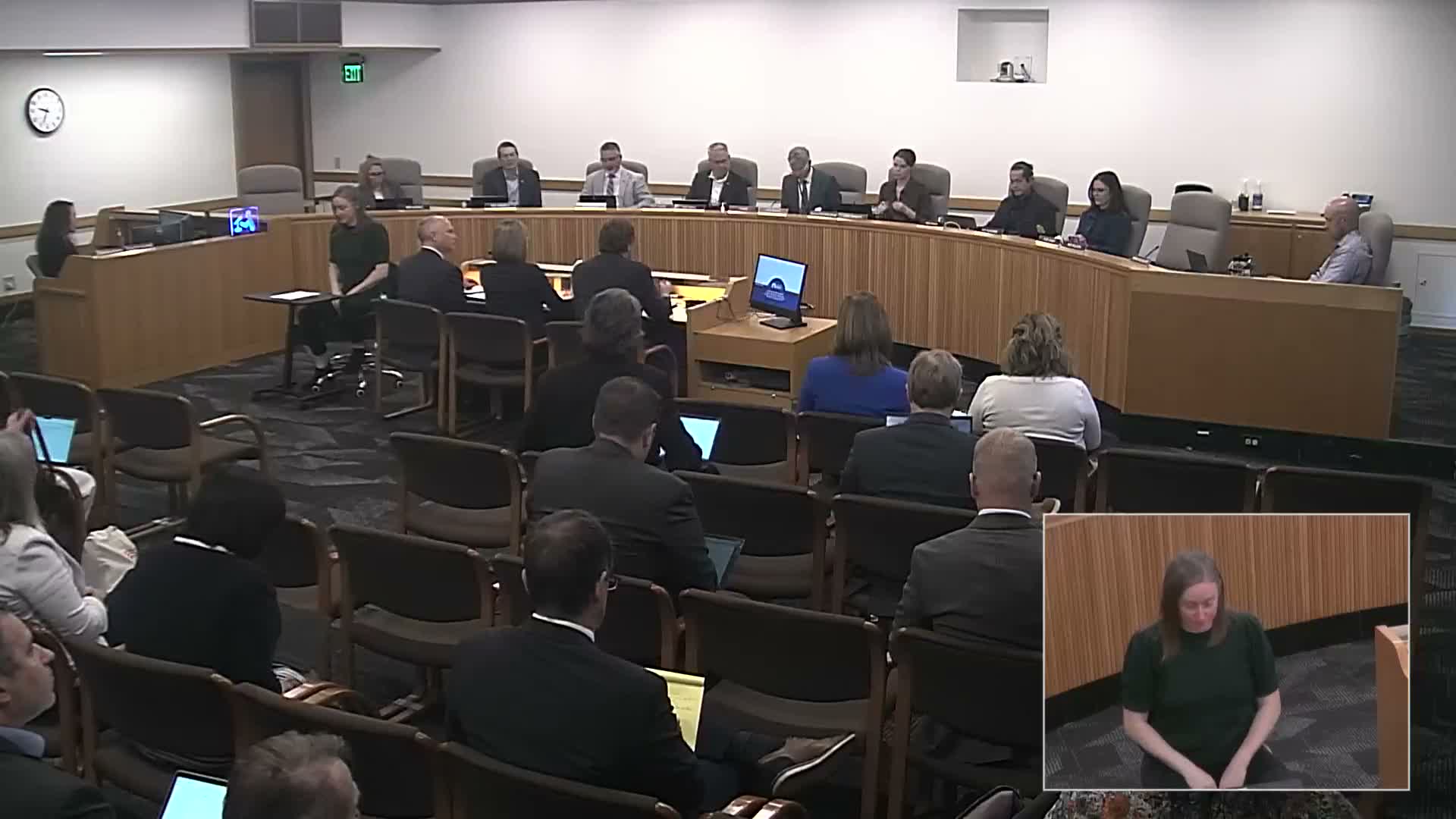
Oregon Health Authority and Trillium Community Health Plan presented a detailed transition plan on Nov. 18 after PacificSource notified regulators it would not continue as a coordinated care organization (CCO) in Lane County.
Dave Baden, OHA deputy director for policy and programs, told the Interim Committee on Health Care that OHA decided to ask Trillium to assume PacificSource members rather than conduct a time'consuming procurement because Trillium attested it could expand capacity, the timeline to procure would prolong member uncertainty and contracting PacificSource into 2026 would have imposed substantial state costs.
OHA and plan leaders said PacificSource agreed to a one'month contract extension until Jan. 31, 2026, to allow for communications and operational alignment, and that Trillium will begin servicing all Lane County OHP members on Feb. 1, 2026. OHA outlined member notification steps beginning in December (initial outreach), a formal notice on Dec. 3 and Trillium welcome packets by Jan. 15.
Trillium's president and CEO, Sarah Brewer, described an implementation timeline built around three priorities: member continuity, provider network adequacy, and hypercare monitoring. Brewer said Trillium has hired local staff (including 45 customer service representatives) and plans to nearly double local workforce capacity in the coming weeks to handle calls, care coordination and provider onboarding. She told the committee that 91% of members would not need to change primary care providers on day one if no additional contracting is completed; three pending provider contracts would raise alignment to around 98%.
OHA said it will monitor the transition closely with benchmarks at go'live (Feb. 1), one month, three months and six months to verify capacity, performance and service timeliness; OHA noted contractual protections that require PacificSource to continue coverage for certain services for 30, 60 or 90 days (depending on service type) and to complete services in process prior to the transition.
The agencies also emphasized outreach plans: provider listening sessions (virtual and hybrid) and regional community meetings in December, weekly coordination with elected officials and a public transition website with FAQs and contact information.
Committee members pressed officials on network adequacy and behavioral health capacity; Trillium and OHA said behavioral health analysis was ongoing and that they would continue outreach to providers and hospitals to close remaining gaps.
The committee did not vote on the transition but Chair Noss foreshadowed short'session committee bills on rate process and CCO procurement practices to address systemwide concerns about future transitions.