Get Full Government Meeting Transcripts, Videos, & Alerts Forever!
Get email alerts on the Attendance Policy topic
No spam. Unsubscribe anytime.
Representative Walton proposes citizenship grade, test‑out options to address absenteeism
Summary
A two‑part proposal would standardize a 'citizenship' grade and pilot scholarships tied to it, and allow rigorous test‑out options for core classes while permitting attendance to count for 10–20% of final grades with carve‑outs; members raised concerns about teacher workload and equity.
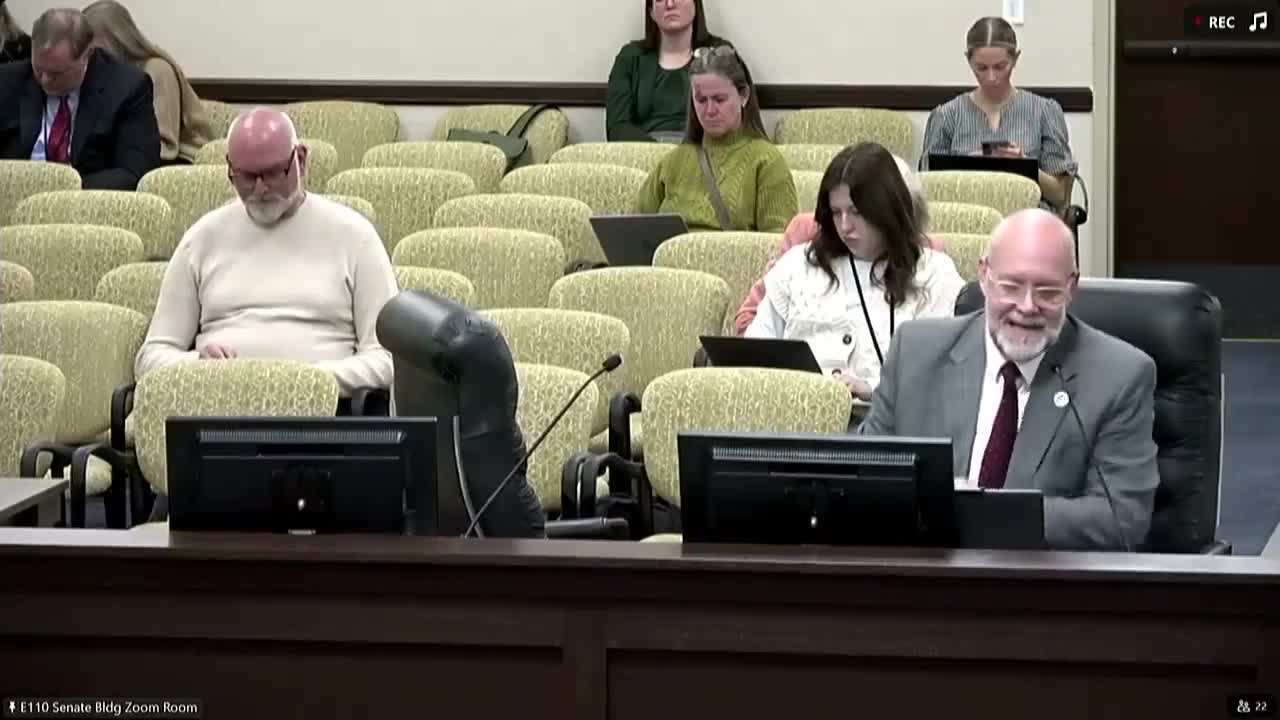
Representative Walton presented a two‑part bill to address chronic absenteeism: create a standardized 'citizenship' grade and a pilot linking scholarship incentives to that metric, and offer a rigorous test‑out option for core courses so students can earn credit without seat time.
The plan would require LEAs to adopt a consistent citizenship grading rubric (so A/B/C have consistent meanings statewide), authorize a pilot where higher‑education partners reserve scholarships tied to the citizenship grade, and permit LEAs to include attendance as 10–20% of a final grade with statutory carve‑outs for excused absences and educational travel. Walton emphasized a behavioral change rationale: "you get what you measure." The test‑out provision would offer a standardized, high‑rigor option allowing students who demonstrate proficiency to move to advanced coursework or other opportunities.
Committee members broadly praised the intent but raised multiple concerns: Representative Moss and others warned the policy could add teacher workload through makeup assignments and individualized remediation; members asked how to treat educational travel, how to avoid penalizing disadvantaged students, and whether local flexibility should be preserved. Several suggested pilot approaches and carve‑outs for legitimate educational activities.
Representative Walton said the bill is a work in progress and will be refined with stakeholder input. The committee did not vote on the bill during the meeting.