Get Full Government Meeting Transcripts, Videos, & Alerts Forever!
Get email alerts on the Solar Project topic
No spam. Unsubscribe anytime.
Local solar firm outlines $1M proposal to cut Fulton County Jail electric bills; council asks for more analysis
Summary
A local solar company proposed a roughly $1 million ground-mounted system to offset about $65,000 a year of the Fulton County Jail’s Duke Energy bills, citing a federal direct-pay incentive that could cover roughly 40% of the cost; council members asked for further study on procurement, funding and land use.
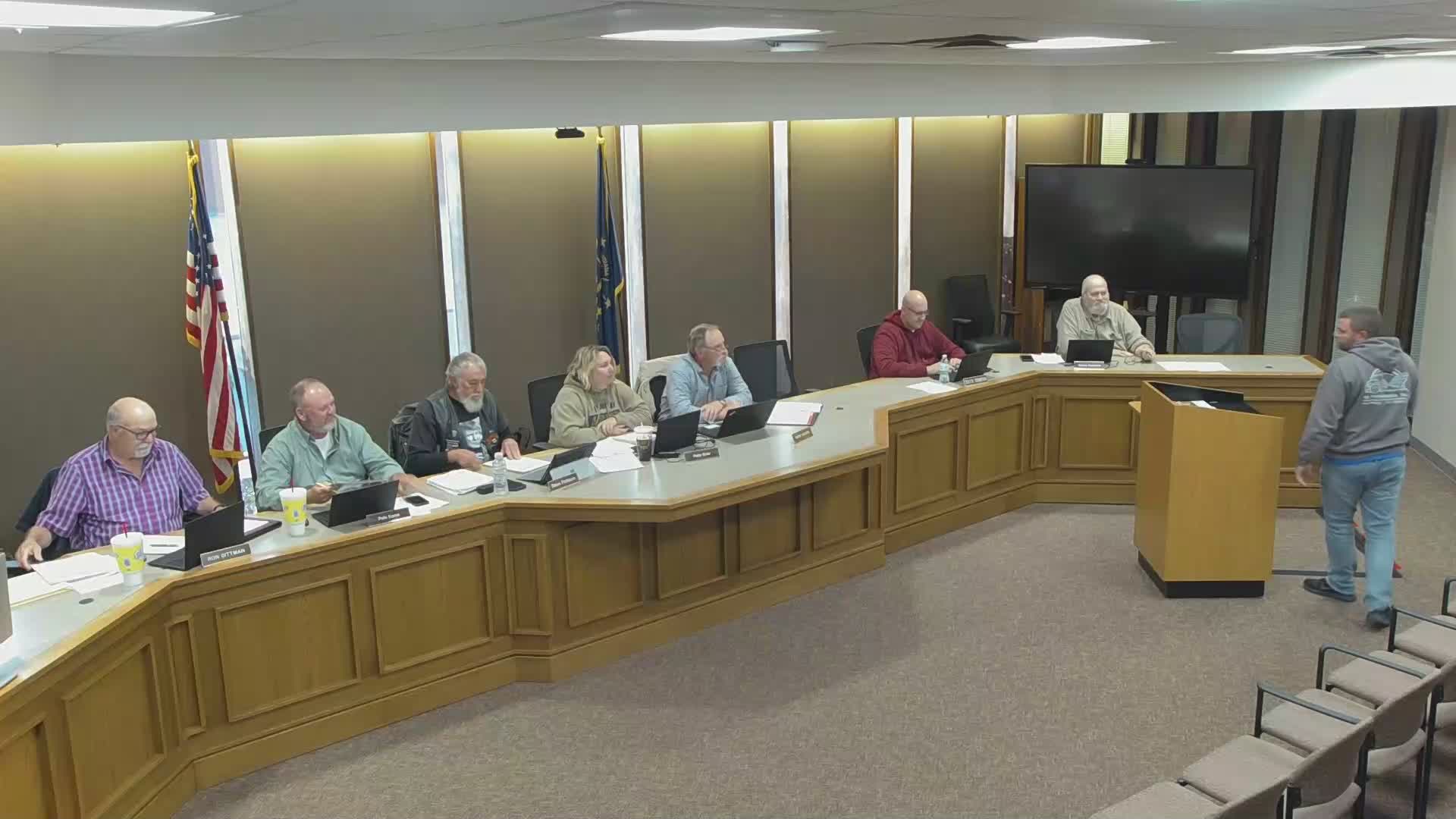
Mike Strader, representing a local solar installation business, presented a proposed ground-mounted solar array for the Fulton County Jail at the Oct. 21 council meeting, saying the system would offset about $65,000 in annual electric costs and reduce the jail’s monthly bill by roughly half.
"It would offset almost $65,000 in, build usage from Duke Energy per year," Mike Strader told the council, summarizing the company’s sizing and cash-flow estimates. He described a $1,000,000 system that, under current federal rules, would likely qualify for a direct-pay incentive worth about 40% — roughly $400,000 — which shortens the payback period.
Strader presented cash and financed models: a cash purchase that could pay off the system in about nine years and a financed model with higher interest that could extend payback to about 12 years. He emphasized the panels and inverters carry a 25-year warranty and that the system chosen (modular arrays and distributed inverters) reduces the risk of a single-component failure taking down large portions of the array.
Council members asked practical questions about land use, procurement and risk. One council member asked whether the project would require formal bidding under public procurement rules for projects exceeding the county’s threshold. The presenter and council members discussed that the county might pay the full cost up front and receive the direct-pay amount after the project enters service. Another member asked about hail and panel damage; Strader said his company has not experienced panel breakage from hail in their installations and stressed that individual panels can be replaced without disabling the entire array.
Questions from council and staff focused on funding and procurement: whether the county would have to let bids for a project of this size, what local-match obligations a Community Crossings–type process might require (discussed earlier for road projects), and whether the county has land available that is not actively farmed. The presenter noted the system could be sized differently but was designed to maximize near-term financial return rather than to offset 100% of consumption.
Council members said the idea is worth pursuing but that they could not make a decision that night. Chair (unnamed) said the council will need to investigate procurement rules and financing options and coordinate with commissioners and county staff before proceeding. The presenters offered to provide additional cash-flow scenarios and to return with more detailed financing options if requested.
The presentation gave the council a preliminary financial model and timeline: if the county started procurement next summer it could protect current tax-credit safe-harbor rules and could have the system completed within about a year, according to the company.
No formal motion to approve procurement or funding was made at the meeting.