Get Full Government Meeting Transcripts, Videos, & Alerts Forever!
Get email alerts on the River Edge Redevelopment topic
No spam. Unsubscribe anytime.
Joliet council adopts River Edge redevelopment zone to unlock preservation and sales-tax incentives
Summary
The City of Joliet adopted an ordinance Nov. 4 creating a River Edge Redevelopment Zone that staff and proponents say will open historic-preservation tax credits and sales-tax rebates to spur downtown investment; staff will submit the application to the state for certification.
The City of Joliet council voted Nov. 4 to designate a River Edge Redevelopment Zone, a state-level incentive area officials say will make historic-preservation tax credits and material-sales tax rebates more accessible to developers.
City staff described the designation as a tool to “revitalize historic and underutilized vacant properties” and said the proposed map covers roughly 11 of the 12 square miles allowed under the statute. Staff said the program requires a minimum of 100 acres of environmentally challenged land within 1,500 yards of the river and that the city’s application focuses on sites near the downtown riverfront.
The presentation outlined two prominent incentives: a state sales-tax rebate on building materials and historic-preservation tax credits that staff said can be applied automatically for properties inside the zone — potentially covering up to 45% of eligible preservation expenses. Staff said the combination of state and federal credits can substantially lower redevelopment costs and provided a conservative illustration of savings on a hypothetical $10 million project.
Council members asked how strictly federal and state historic-preservation standards would apply and whether the designation would create new local historic-district rules. Staff replied that local historic-preservation commissions retain their regulatory role for locally designated landmarks and local permits, while the state historic-preservation office sets the technical requirements for tax-credit eligibility. Staff committed to returning with clarifying guidance from state agencies and consultants.
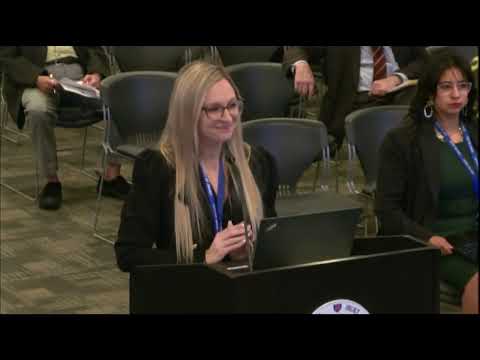
Quinnetta Miles of Landmarks Illinois, the statewide historic-preservation nonprofit, spoke during the public hearing in favor of the ordinance, citing a state report that identified hundreds of millions in private investment tied to similar programs in other cities and urging the council to adopt the designation.
The ordinance was moved, seconded and adopted by recorded voice vote. Staff will submit the certified application to the Illinois Department of Commerce and Economic Opportunity; staff warned certification can take up to 180 days.