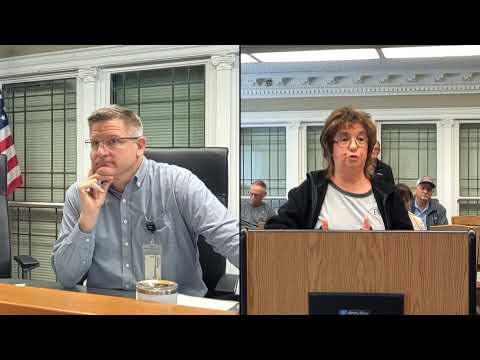
Residents press commissioners to pursue moratorium as large solar + battery permit draws heavy public comment
Loading...
Summary
Residents from Holland, Honeybird and surrounding areas urged Dubois County commissioners on Dec. 1 to reconsider a permit held by PropLine/Crossline and to explore a moratorium on further large-scale solar and battery projects; commissioners said county limits actions without countywide planning and asked staff and counsel to research legal options and permit status.
A large public turnout on Dec. 1 pressed Dubois County commissioners to reconsider an existing solar and battery storage permit and to explore a county moratorium on new projects.
Jason Iley, who appeared representing neighbors near the proposed Crossline/PropLine Solar project, said Honeybird approvals had lapsed and the town had placed a moratorium on solar. "Honeybird does not want this project," a resident told the commissioners and said petitions had collected hundreds of signatures opposing the project.
Residents at the meeting raised safety and health concerns about large‑scale solar and, especially, battery storage facilities; they cited potential fire risks, proximity to schools, wildlife impacts (including a DNR barn‑owl note), and economic questions about how the projects would be assessed and taxed. "Who in our county is looking out for the safety concerns of all of these people?" asked Lisa Matthews, a property owner near a proposed battery storage facility.
Several speakers urged commissioners to act quickly and to give citizens a written response at the next meeting. Commissioners said they are taking the concerns seriously but noted legal limits: the county does not have countywide planning and zoning and historically adopted only a state-derived solar ordinance, which constrains what the board may do without further ordinance development or a plan commission.
Commissioners asked the county attorney to research what the county can do — including whether to pursue a moratorium or to require permit reissuance or renegotiation — and instructed staff to review the permit footprint against originally approved site plans. One commissioner said the county could request renegotiation of setbacks or other permit terms but cautioned against actions that the courts might overturn without proper legal authority.
No final action to revoke the permit or impose a moratorium was taken; the board asked staff to pursue legal options, confirm whether AES/PropLine has applicable permits with INDOT or other agencies, and to return with recommended next steps.