
Panel weighs Miranda and consent challenges after ShotSpotter alert and on-scene questioning
Get AI-powered insights, summaries, and transcripts
Subscribe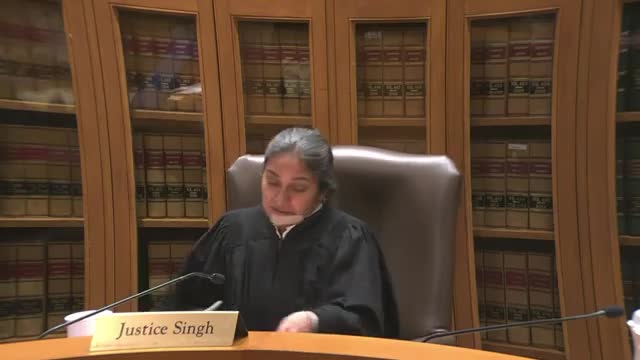
Summary
Defense argued the defendant was in custody when officers questioned a group after a ShotSpotter alert and that the question 'Who said that?' amounted to custodial interrogation; prosecutors said the statements were spontaneous and other evidence (fingerprints, location) supported the verdict and that later suppressed questioning was excluded appropriately.
The appeals panel considered whether a defendant’s on-scene statements should have been suppressed because the police conducted custodial interrogation without Miranda warnings, and whether subsequent consent and search issues were properly handled.
Edward Crane, representing Ruben Semido Braun, argued that three of the four "Graham" factors supported a finding of custody and that the officer’s question — "Who said that?" — directed to a group in a coercive environment constituted interrogation likely to elicit incriminating responses. "It is questioning. It's expressed questioning," Crane said, urging that the follow-up statements and some subsequent testimony be suppressed and that the admission of those statements affected the trial’s outcome.
The prosecutor, Arna Hance of the Plymouth County District Attorney's Office, responded that Miranda is triggered by custody plus express questioning; although the defendants were not free to leave, she argued the setting (backyard, not stationhouse) and the absence of restraints made the encounter noncustodial. Hance also emphasized that a portion of the follow-up questioning had been suppressed at trial and that other evidence—fingerprints on a magazine and the defendant’s location in the garage—supported the verdict.
Crane also raised ineffective-assistance and consent-taint theories arguing prior alleged illegalities (warrantless entry of the curtilage, pat frisks, and detention) undermined a third party’s consent to search the garage. Prosecutors said exigent circumstances and corroborating evidence (shell casing, ShotSpotter alert and observed casing in the yard) justified the entry and that the record supported the sufficiency of the search and subsequent rulings. The counsel also debated responses to a reported sleeping juror; prosecutors said the judge took a break and monitored the matter.
The panel questioned where the line should be drawn for on-the-scene questions to a group and about the sufficiency of other evidence to render any error harmless. The case was submitted after argument.